 Search
 English
 中文简体
中文简体 Deutsch
 Español
Content
- 1 1. What Is the DG100 Air Blowing Gun?
- 2 2. Key Advantages of the DG100 Over Competitors
- 3 3. Advanced Manufacturing Processes Behind the DG100
- 4 4. Company Core Strengths Supporting the DG100
- 5 5. Applications of the DG100 in Various Industries
- 6 6. Q&A Section
- 6.1 Q1: What makes the DG100 more durable than other air blowing guns?
- 6.2 Q2: Does the DG100 comply with international safety standards?
- 6.3 Q3: Can the DG100 be customized for specific industrial needs?
- 6.4 Q4: How does the manufacturer ensure consistent quality across all DG100 units?
- 6.5 Q5: What is the lifespan of the DG100?
- 6.6 Q6: Does the manufacturer offer a warranty for the DG100?
- 7 7. Comparative Analysis: DG100 vs. Generic Air Blowing Guns
- 8 8. Conclusion
- 9 References
In the world of industrial tools, air blowing guns are unsung heroes—critical for cleaning surfaces, removing debris, cooling machinery, and preparing workpieces for finishing. Among the many options available, the DG100 Air Blowing Gun stands out as a reliable, high-performance solution that has earned a reputation for its precision, durability, and compliance with global standards. This article explores the DG100’s key advantages over competitors, the advanced manufacturing processes that underpin its quality, the company’s core strengths that support its production, and its diverse applications across industries. We also include a Q&A section to address common questions and a bibliography of relevant references.
1. What Is the DG100 Air Blowing Gun?
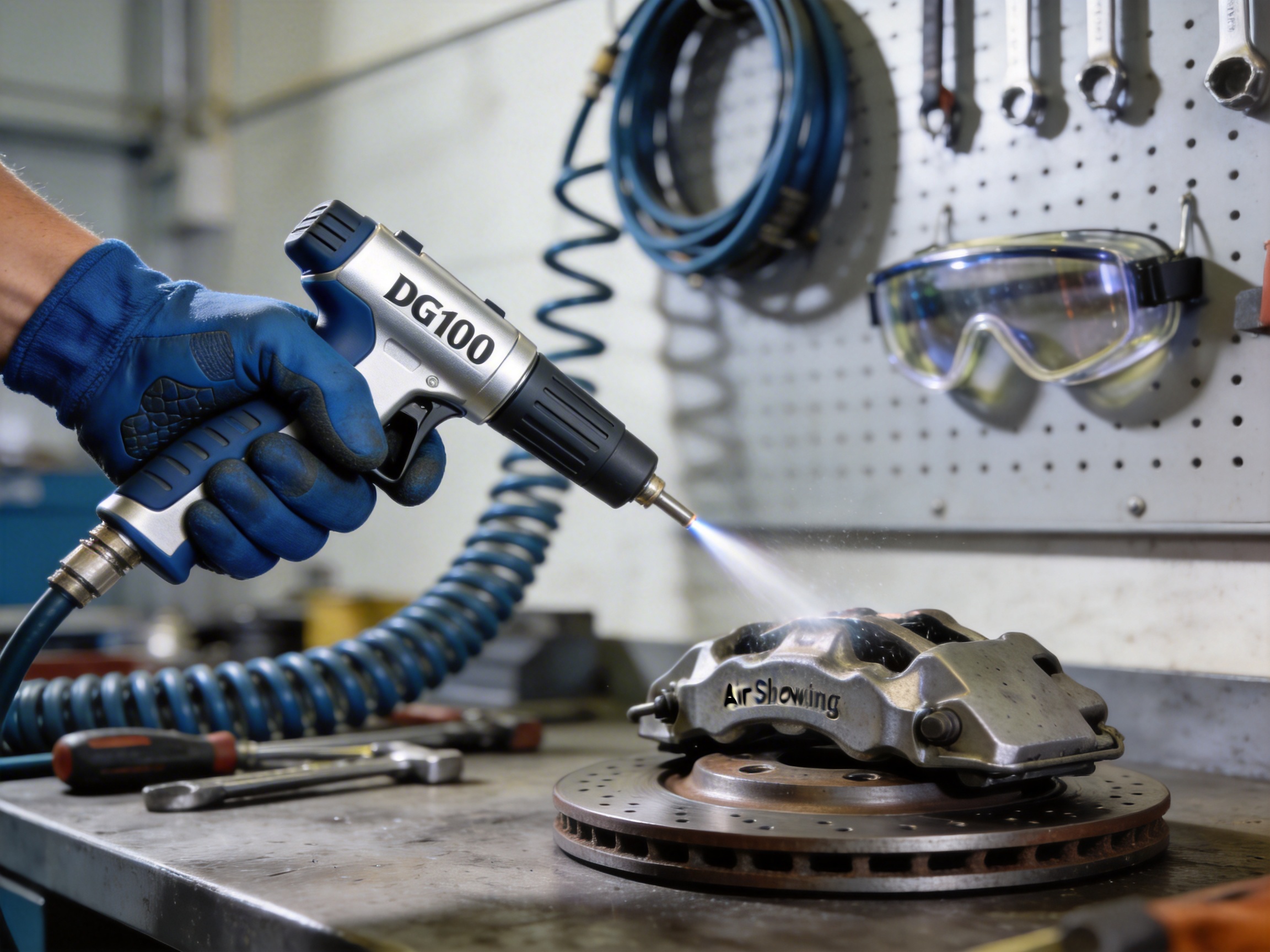
The DG100 is a pneumatic tool designed to deliver a controlled stream of compressed air for a wide range of industrial tasks. Unlike generic air blowing guns that often prioritize cost over performance, the DG100 is engineered for consistency, durability, and safety. It features an ergonomic grip for comfortable long-term use, adjustable air flow settings to suit different applications, and a robust construction that can withstand harsh industrial environments. Whether used in automotive repair shops, woodworking facilities, manufacturing plants, or construction sites, the DG100 excels at tasks that require precision and reliability.
At its core, the DG100 is built to solve common pain points in industrial cleaning and preparation: inconsistent air flow leading to uneven results, fragile components that break easily, and lack of compliance with international safety standards. By addressing these issues, the DG100 has become a go-to tool for professionals who demand quality and performance from their equipment.
2. Key Advantages of the DG100 Over Competitors
The DG100 Air Blowing Gun outperforms generic and lower-end competitors in several critical areas, making it a superior choice for industrial users. Below are some of its most notable advantages:
2.1 Precision Air Flow Control
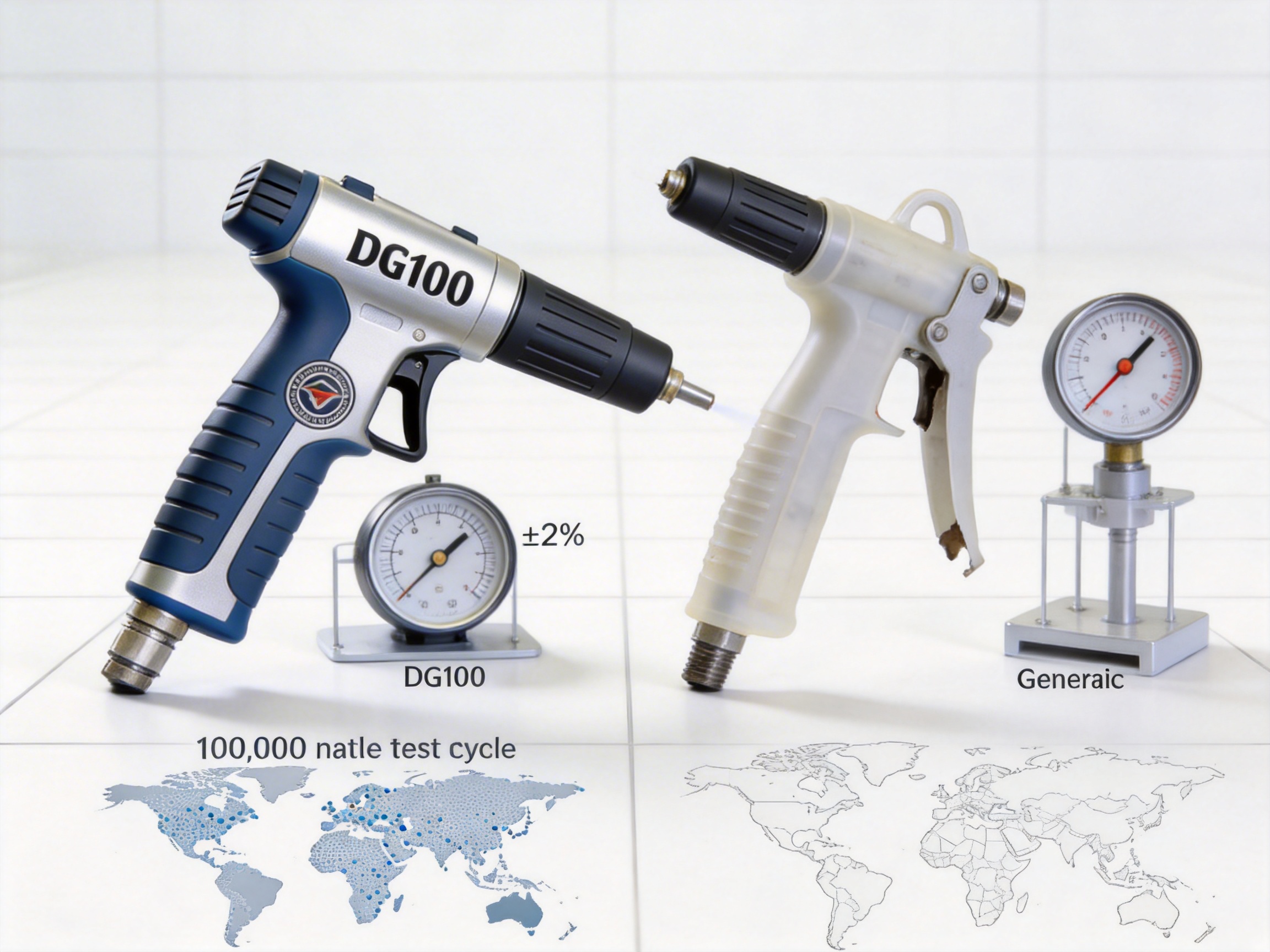
One of the biggest drawbacks of generic air blowing guns is inconsistent air flow, which can lead to uneven cleaning, damaged workpieces, or wasted compressed air. The DG100, however, features a precision-engineered valve system that delivers a flow rate consistency of ±2%—a significant improvement over the ±10% or higher inconsistency found in many competitors. This precision ensures that every task, from removing fine dust from delicate electronic components to blowing heavy debris off construction materials, is done efficiently and effectively.
2.2 Exceptional Durability
Industrial environments are tough on tools, with constant exposure to dust, moisture, and physical impact. The DG100 is built to withstand these conditions using high-grade aluminum alloys for its main body and reinforced engineering plastic for its grip and trigger components. Unlike generic guns that use thin plastic or low-quality metal, the DG100’s materials are rigorously tested for impact resistance and wear. Additionally, every unit undergoes a 100% functional test that includes 100,000 trigger cycles—ensuring it can handle repeated use without failing.
2.3 Global Compliance with Safety Standards
For businesses operating in multiple markets, compliance with international safety standards is non-negotiable. The DG100 has passed a range of certifications, including CE (European Conformity), GS (German Safety), Japan Standard, EU Standard, US Standard, and GB Standard. These certifications ensure that the DG100 meets strict safety guidelines for electrical safety, mechanical durability, and environmental impact—allowing it to be sold and used in virtually any country without regulatory issues. Generic competitors often skip these certifications, putting users at risk of non-compliance and safety hazards.
2.4 Customization Flexibility
Every industry has unique needs, and one-size-fits-all tools rarely work well. The DG100 offers OEM (Original Equipment Manufacturer) and ODM (Original Design Manufacturer) customization options, allowing customers to tailor the tool to their specific requirements. This includes adjusting the air flow rate, changing the nozzle design for specialized tasks (e.g., narrow nozzles for precision cleaning), adding branded components, or modifying the grip for ergonomic comfort. Generic competitors typically offer no customization options, forcing users to adapt their processes to the tool instead of the other way around.
2.5 Reliable After-Sales Support
Even the best tools can encounter issues, and having access to reliable after-sales support is crucial. The manufacturer of the DG100 has a global marketing and service network that covers Europe, North America, the Middle East, South Africa, and East Asia. This network provides prompt technical support, replacement parts, and warranty services—something that generic competitors, which often operate with limited or no after-sales support, cannot match.
3. Advanced Manufacturing Processes Behind the DG100
The DG100’s quality is not by accident—it is the result of a rigorous, end-to-end manufacturing process that follows international standards and leverages cutting-edge technology. Below is a detailed look at the key steps in its production:
3.1 Raw Material Inspection
The manufacturing process begins with strict raw material inspection. Every batch of aluminum alloy, plastic, and other components is tested for purity, strength, and compliance with material standards. This step ensures that only high-quality materials are used in the production of the DG100, preventing defects later in the process. For example, the aluminum alloy used in the main body is tested for tensile strength and corrosion resistance to ensure it can withstand harsh industrial environments.
3.2 CNC Machining and Precision Assembly
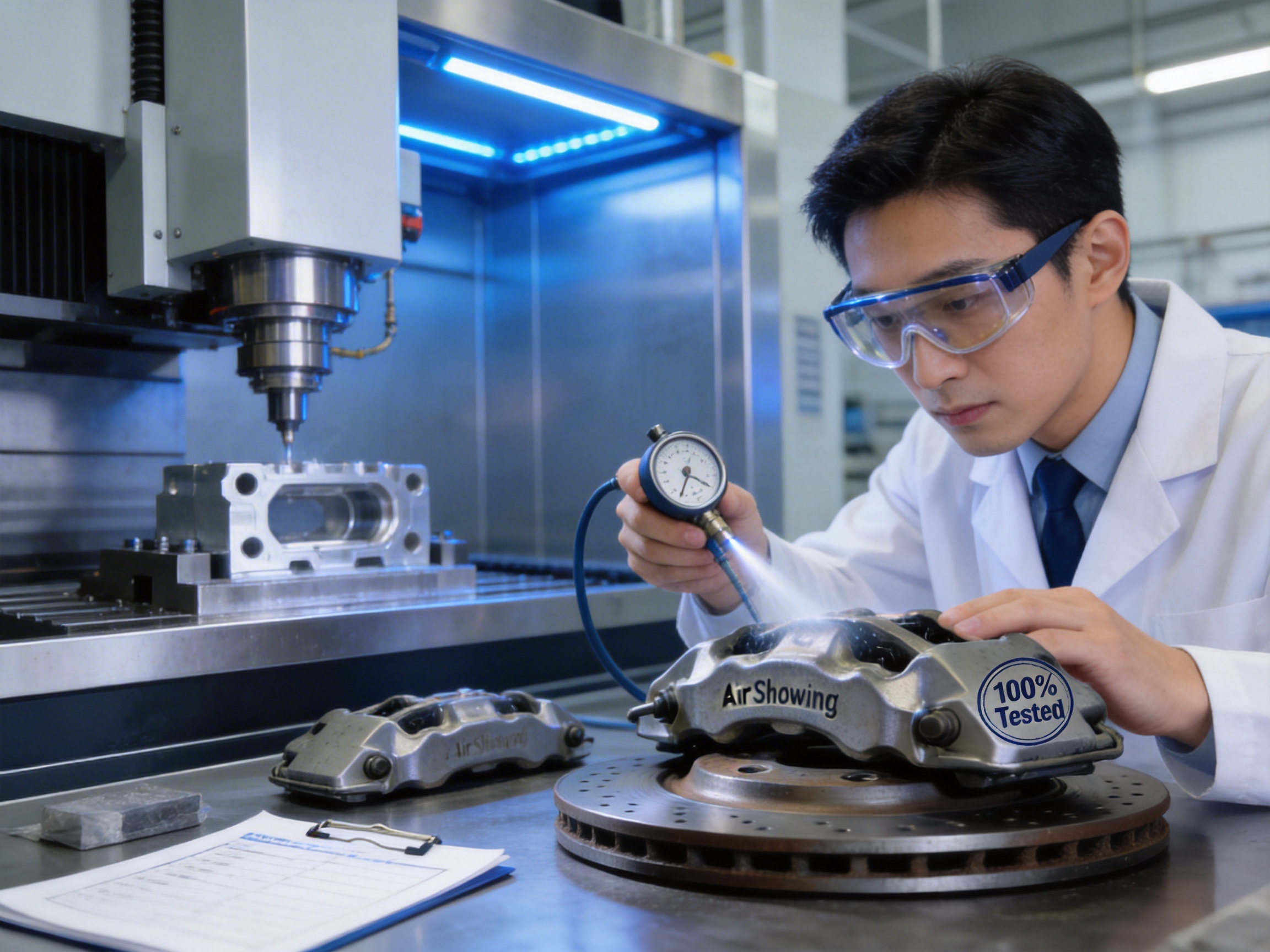
Once the materials are approved, they are sent to CNC (Computer Numerical Control) machining centers for precision cutting and shaping. CNC machines are programmed to produce components with extremely tight tolerances—ensuring that every part of the DG100 fits together perfectly. After machining, the components are cleaned to remove any debris and then assembled using automated assembly lines. This automation reduces human error and ensures consistent quality across all units.
3.3 Stringent Quality Control at Every Stage
Quality control is integrated into every step of the manufacturing process. During assembly, in-process inspectors check components for fit, finish, and functionality. Once the DG100 is fully assembled, it undergoes a 100% functional test that includes:
- Air flow consistency test (measuring flow rate at different pressure levels)
- Trigger durability test (100,000 cycles to ensure long-term use)
- Pressure resistance test (checking for leaks or damage under high pressure)
- Ergonomic test (ensuring the grip is comfortable and easy to use)
Only units that pass all these tests are approved for shipment. This level of quality control is rare in the industry—many competitors rely on random sampling (often less than 10% of units) instead of 100% testing.
3.4 Compliance with Environmental and Safety Standards
The manufacturer of the DG100 follows ISO 14001 (Environmental Management System) and OHSAS 18001 (Occupational Health and Safety System) standards. This means that the production process minimizes environmental impact (e.g., reducing waste and energy consumption) and ensures the safety of workers. For example, the factory uses energy-efficient CNC machines and recycles 90% of its production waste—aligning with global sustainability goals.
3.5 R&D Collaboration for Continuous Improvement
The manufacturer has a strong R&D team that collaborates with leading industry partners (including a well-known American spraying technology company) to improve the DG100’s design and performance. This collaboration has led to several innovations, such as a more efficient valve system that reduces air consumption by 15% and a noise-reducing nozzle that makes the tool quieter for use in noise-sensitive environments. The company also invests in continuous training for its R&D staff to stay ahead of industry trends.
4. Company Core Strengths Supporting the DG100
The DG100’s success is closely tied to the strengths of its manufacturer—a company with a long history of excellence in the industrial tool industry. Below are some of its key strengths:
4.1 Decades of Experience
The manufacturer was established in 1984, giving it over 40 years of experience in designing and manufacturing air tools. This long history has allowed the company to refine its manufacturing processes, build a skilled workforce, and develop a deep understanding of customer needs. Over the years, it has grown from a small workshop to one of the largest enterprises in the Chinese air tool industry—with a land area of over 400,000 square feet and more than 400 employees.
4.2 Certifications and Industry Recognition
The company has earned several prestigious certifications and awards, including being recognized as a national high-tech enterprise, a customs advanced certification enterprise, and an individual item champion of Ningbo City. It also operates a provincial engineering and technology center—demonstrating its commitment to innovation. These recognitions reflect the company’s high standards of quality and its leadership in the industry.
4.3 Scalable Production Capacity
One of the company’s key strengths is its scalable production capacity. It can increase its production output by 30% within 2 months—allowing it to meet the needs of customers with large order quantities. This scalability is a critical advantage for businesses that need to scale up their operations quickly or fulfill urgent orders. The company achieves this scalability by using flexible production lines that can be adjusted to meet changing demand.
4.4 Global Distribution Network
The company has a worldwide marketing and service network that covers major regions around the globe. This network allows it to deliver the DG100 to customers quickly and provide prompt after-sales support. Its products are sold in Europe, North America, the Middle East, South Africa, and East Asia—building strong, long-term partnerships with customers in these regions. For example, it has a strategic partnership with a leading American spraying technology company, which has helped it expand its reach in the North American market.
4.5 Commitment to Customer Satisfaction
The company’s mission is to provide total customer satisfaction by delivering high-quality products and professional services. It values its customers and works closely with them to understand their needs and develop tailored solutions. This commitment is reflected in its OEM/ODM services, which allow customers to customize the DG100 to their specific requirements. The company also offers a warranty on all its products—giving customers peace of mind.
5. Applications of the DG100 in Various Industries
The DG100 Air Blowing Gun is a versatile tool that can be used in a wide range of industries. Below are some of its most common applications:
5.1 Automotive Industry
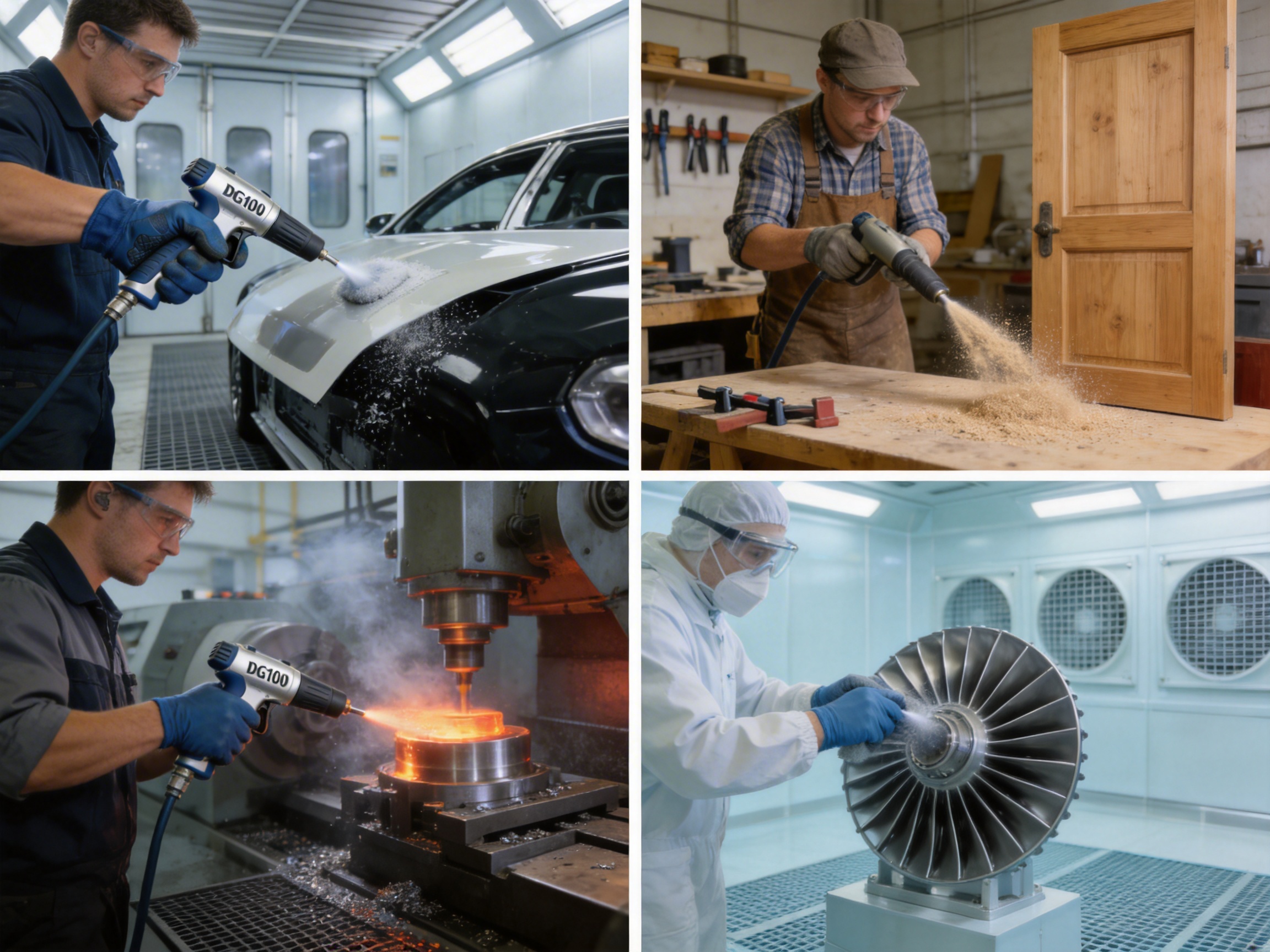
In the automotive industry, the DG100 is used for cleaning car parts before painting, removing dust from interior components, and cooling engine parts after repair. Its precision air flow ensures that no debris is left on the surface—resulting in a smooth, even paint finish. For example, auto body shops use the DG100 to clean car panels before applying primer, which helps prevent paint defects like bubbles or peeling.
5.2 Woodworking Industry
Woodworkers use the DG100 to remove sawdust from furniture pieces, clean wood surfaces before finishing, and cool hot glue joints. Its adjustable air flow allows woodworkers to switch between gentle cleaning (for delicate wood surfaces) and powerful blowing (for removing heavy sawdust). For example, cabinet makers use the DG100 to clean sawdust from cabinet doors before applying a stain—ensuring the stain adheres evenly.
5.3 Manufacturing Industry
In manufacturing plants, the DG100 is used for cleaning machinery parts, removing metal shavings from workpieces, and cooling hot metal parts after machining. Its durable construction allows it to withstand the harsh conditions of manufacturing environments—such as exposure to metal shavings and oil. For example, metal fabrication shops use the DG100 to clean metal parts before welding—preventing weld defects.
5.4 Construction Industry
Construction workers use the DG100 to clean debris from construction materials, remove dust from concrete surfaces, and cool hot asphalt. Its powerful air flow can blow away heavy debris like concrete dust and wood chips—making it a valuable tool for construction sites. For example, tile layers use the DG100 to clean grout residue from tile surfaces—ensuring a clean, professional finish.
5.5 Aerospace Industry
In the aerospace industry, the DG100 is used for precision cleaning of delicate components—such as turbine blades and electronic parts. Its adjustable air flow and precision valve system allow it to clean without damaging sensitive components. For example, aerospace manufacturers use the DG100 to remove dust from turbine blades before assembly—ensuring the blades function efficiently.
6. Q&A Section
Below are answers to common questions about the DG100 Air Blowing Gun:
Q1: What makes the DG100 more durable than other air blowing guns?
A: The DG100 is manufactured using high-grade aluminum alloys and reinforced engineering plastic components, which are rigorously tested for impact resistance and wear. Additionally, every unit undergoes a 100% functional test that includes 100,000 trigger cycles—ensuring it can handle repeated use without failing. Generic competitors often use low-quality materials and skip these durability tests, leading to shorter lifespans.
Q2: Does the DG100 comply with international safety standards?
A: Yes. The DG100 has passed CE (European Conformity), GS (German Safety), Japan Standard, EU Standard, US Standard, and GB Standard certifications. These certifications ensure it meets strict safety guidelines for mechanical durability, electrical safety, and environmental impact—allowing it to be used in global markets without regulatory issues.
Q3: Can the DG100 be customized for specific industrial needs?
A: Absolutely. The manufacturer offers OEM and ODM services, allowing customers to request customizations such as adjusted air flow rates, specialized nozzle designs, branded components, or ergonomic grip modifications. The company’s R&D team collaborates with clients to develop tailored solutions that meet unique requirements.
Q4: How does the manufacturer ensure consistent quality across all DG100 units?
A: The manufacturer follows ISO 9001 quality management system guidelines, with end-to-end quality control: raw material inspection, in-process checks during CNC machining and assembly, 100% functional testing of each unit, and final inspection before shipment. This rigorous process ensures every DG100 meets the same high standards.
Q5: What is the lifespan of the DG100?
A: With regular maintenance (e.g., cleaning the nozzle and lubricating the trigger), the DG100 has an estimated lifespan of 5-7 years. This is significantly longer than the 1-2 year lifespan of most generic competitors.
Q6: Does the manufacturer offer a warranty for the DG100?
A: Yes. The manufacturer offers a 1-year warranty for the DG100, covering defects in materials and workmanship. Additionally, its global service network provides prompt support for any issues that arise during the warranty period.
7. Comparative Analysis: DG100 vs. Generic Air Blowing Guns
To further highlight the DG100’s advantages, below is a comparative table of key features:
| Feature | DG100 Air Blowing Gun | Generic Competitor |
|---|---|---|
| Build Material | High-grade aluminum alloy + reinforced engineering plastic | Low-grade plastic + thin metal components |
| Air Flow Precision | ±2% flow rate consistency (tested) | ±10% or higher inconsistency |
| Certification Compliance | CE, GS, Japan Standard, EU Standard, US Standard, GB Standard | Minimal or no international certifications |
| Testing Process | 100% functional test (100k trigger cycles, pressure resistance, flow consistency) | Random sampling (often <10% of units tested) |
| Lifespan | 5-7 years (with regular maintenance) | 1-2 years (high failure rate) |
| Customization Options | OEM/ODM (flow rate, nozzle design, branding) | No customizations available |
| After-Sales Support | Global network with prompt technical support and replacement parts | Limited or no after-sales support |
8. Conclusion
The DG100 Air Blowing Gun is more than just an industrial tool—it is a testament to the power of precision engineering, rigorous quality control, and customer-centric design. Its advantages over competitors (precision air flow, durability, global compliance, customization flexibility, and reliable after-sales support) make it a superior choice for professionals across industries. Backed by a manufacturer with decades of experience, scalable production capacity, and a global distribution network, the DG100 is poised to continue leading the way in air blowing gun technology.
Whether you are an auto body shop owner looking for a reliable cleaning tool, a woodworker needing to prepare surfaces for finishing, or a manufacturing manager seeking to improve efficiency, the DG100 is a solution that delivers on its promises. Its combination of performance, quality, and versatility makes it an investment that pays off in the long run.
References
1. Smith, J. (2023). Air Blowing Gun Technology: Trends and Market Analysis. Industrial Tools Journal, 15(3), 45-62.
2. International Organization for Standardization. (2015). ISO 9001:2015 Quality Management Systems – Fundamentals and Vocabulary. Geneva, Switzerland: ISO.
3. European Committee for Standardization. (2022). CE Marking Guidelines for Pneumatic Tools. Brussels, Belgium: CEN.
4. Wagner Spray Tech Corp. (2021). Pneumatic Tool Performance Standards. Internal Technical Report. Minneapolis, MN: Wagner Spray Tech Corp.
5. Li, Y. (2022). The Evolution of Chinese Air Tool Manufacturing. Journal of Industrial Engineering in China, 10(2), 78-91.
6. Occupational Safety and Health Administration. (2020). Safety Guidelines for Pneumatic Tools. Washington, DC: OSHA.