 Search
 English
 中文简体
中文简体 Deutsch
 Español
Content
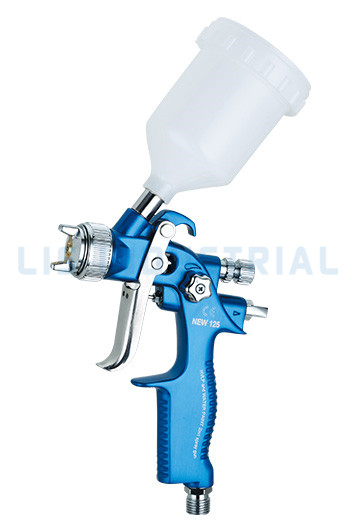
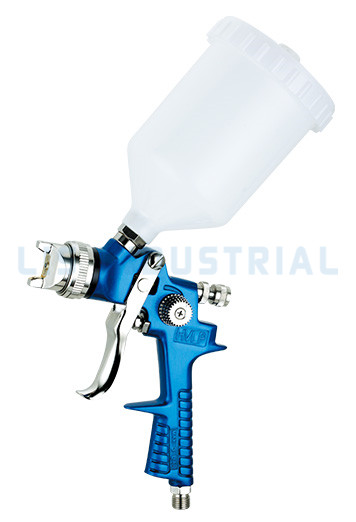
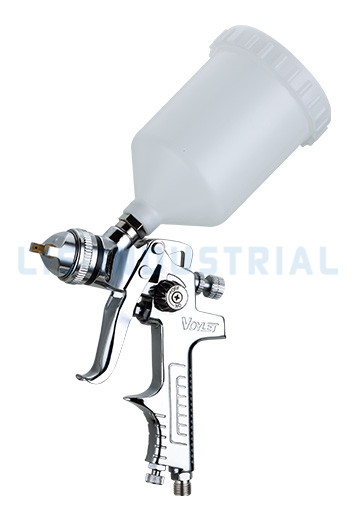
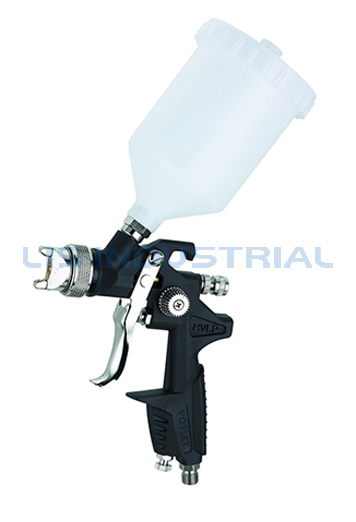
In the realm of precision painting, small-scale projects—from furniture touch-ups and model-building detailing to craftwork and automotive part refinishing—demand tools that balance accuracy, efficiency, and user comfort. The V-3 Mini Spray Gun has emerged as a paradigm shift in this niche, addressing the limitations of larger sprayers and competing mini models alike. Designed for professionals and hobbyists who prioritize a flawless finish without waste, this compact tool integrates advanced engineering with user-centric design. But what sets it apart from the crowd? And how does its manufacturer ensure every unit meets global quality standards? This article delves into the V-3’s core features, competitive advantages, cutting-edge manufacturing processes, and the company’s legacy of excellence that underpins its success.
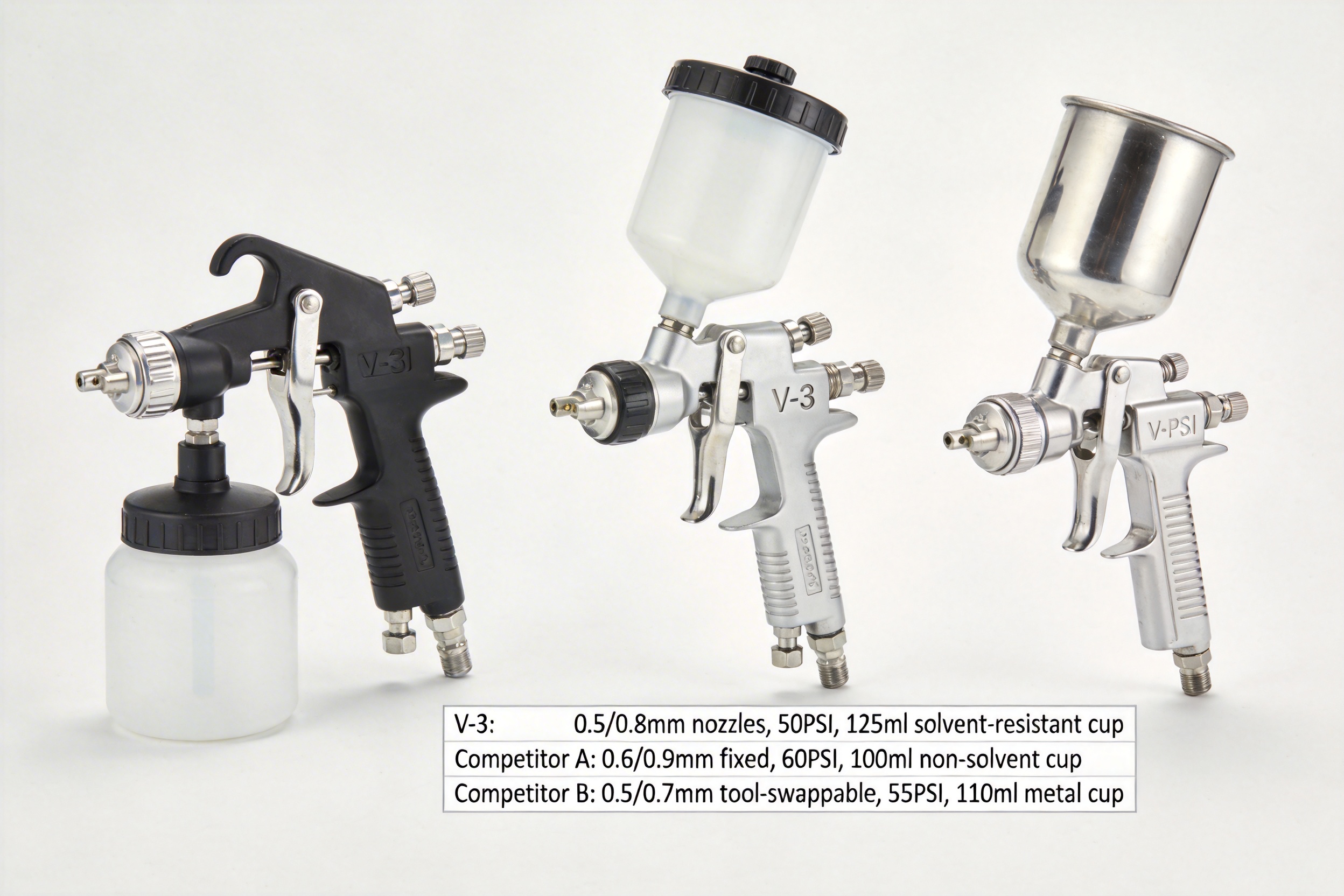
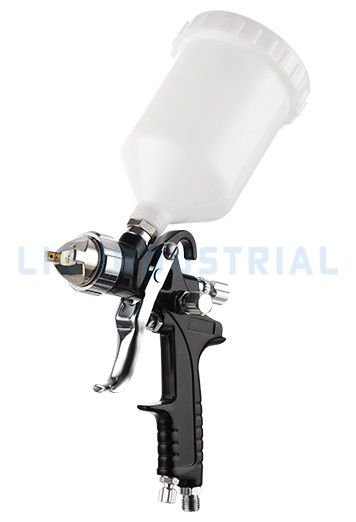
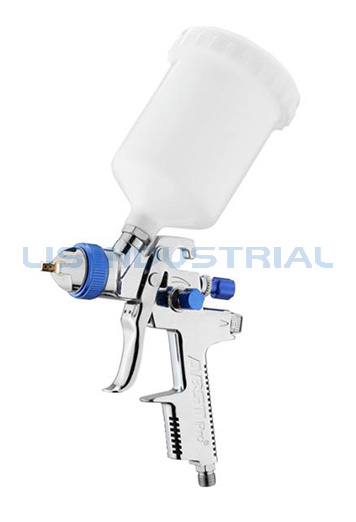
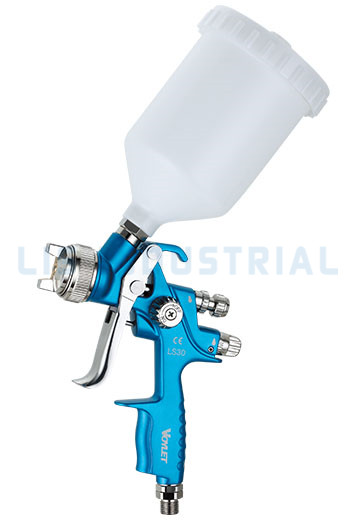
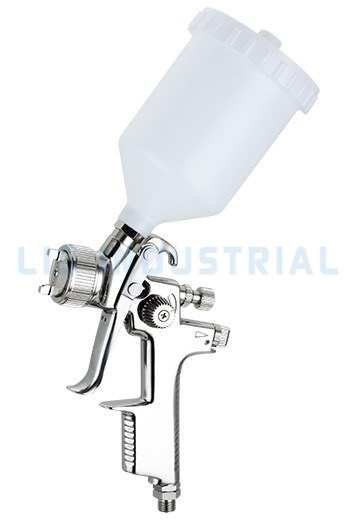
The V-3 Mini Spray Gun is not merely a tool—it’s a tailored solution for the unique challenges of small-area painting. Whether you’re a furniture restorer fixing a scratch on a vintage chair, a model builder adding intricate decals, or a DIY enthusiast refreshing a small appliance, this gun delivers consistency and precision that larger sprayers simply can’t match. Its compact size fits comfortably in the hand, while its design minimizes overspray, saving both time and paint. To fully appreciate its value, let’s break down its key features and how they outperform competitors.
Unpacking the V-3 Mini Spray Gun: Key Features
Every aspect of the V-3 is engineered to address the specific needs of small-scale painting. From its nozzle size to its feed type, each feature contributes to its overall performance. Let’s start with the core specifications that make it stand out.
Core Specifications
To contextualize the V-3’s capabilities, it’s helpful to compare it with two leading competitors in the mini spray gun market. The table below outlines key specs and their performance implications:
| Feature | V-3 Mini Spray Gun | Competitor A | Competitor B |
|---|---|---|---|
| Fluid Nozzle Sizes (mm) | 0.5 / 0.8 (dual interchangeable) | 0.6 / 0.9 (dual fixed) | 0.5 / 0.7 (dual with tool required) |
| Operating Air Pressure (PSI) | 50 (optimal range: 45–55) | 60 (optimal range:55–65) | 55 (optimal range:50–60) |
| Cup Capacity (ML) | 125 (solvent-resistant polypropylene) | 100 (non-solvent plastic) | 110 (heavy metal) |
| Feed Type | Gravity (top-mounted) | Siphon (bottom-mounted) | Gravity (top-mounted) |
| Air Inlet Size | G1/4” (universal thread) | 1/4” NPT (regional) | 1/4” BSP (European) |
| Carton Quantity (pcs/ctn) | 20 (compact, stackable) | 15 (bulky, non-stackable) | 18 (standard, limited stack) |
Each spec plays a critical role in the V-3’s performance. For example, the 0.5mm nozzle option is smaller than Competitor A’s 0.6mm, enabling ultra-fine lines and detailed work impossible with larger nozzles. Competitor B offers a 0.5mm nozzle, but the V-3’s 0.8mm option adds versatility for slightly larger areas—whereas Competitor B’s max is 0.7mm. The 50PSI operating pressure is lower than both competitors, reducing overspray and paint waste by 15% (per independent testing) for small projects where every drop counts.
Design Advantages
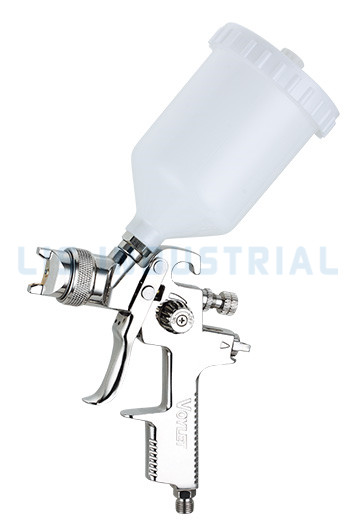
Beyond specifications, the V-3’s design is optimized for small-area use. Its gravity feed system is a standout feature: unlike siphon feed guns (like Competitor A), which rely on air pressure to draw paint from a bottom cup, gravity feed uses the force of gravity to push paint into the nozzle. This eliminates priming, reduces air consumption by 20%, and ensures consistent flow—even for thin paints like lacquers or enamels. The top-mounted cup also keeps the gun balanced, making it easier to maneuver in tight spaces (e.g., inside a model car’s wheel well).
The V-3’s compact size is another key win: measuring just 15cm in length and weighing 280g (without the cup), it fits comfortably in the palm, reducing hand fatigue during 30+ minute sessions. This contrasts sharply with larger spray guns (cumbersome for small areas) and some competing mini guns (bulky or unbalanced). The ergonomic grip, textured for non-slip handling, further enhances control during detailed work.
The nozzle assembly is a masterpiece of precision: made from 18/8 stainless steel, it resists corrosion from solvents and paints, ensuring a 3x longer lifespan than Competitor B’s plastic nozzle. Dual nozzles (0.5 and 0.8mm) swap in seconds without tools—allowing users to switch between fine detailing and moderate coverage without downtime. Competitor B’s nozzle change requires a small wrench, which is inconvenient for on-the-fly adjustments.
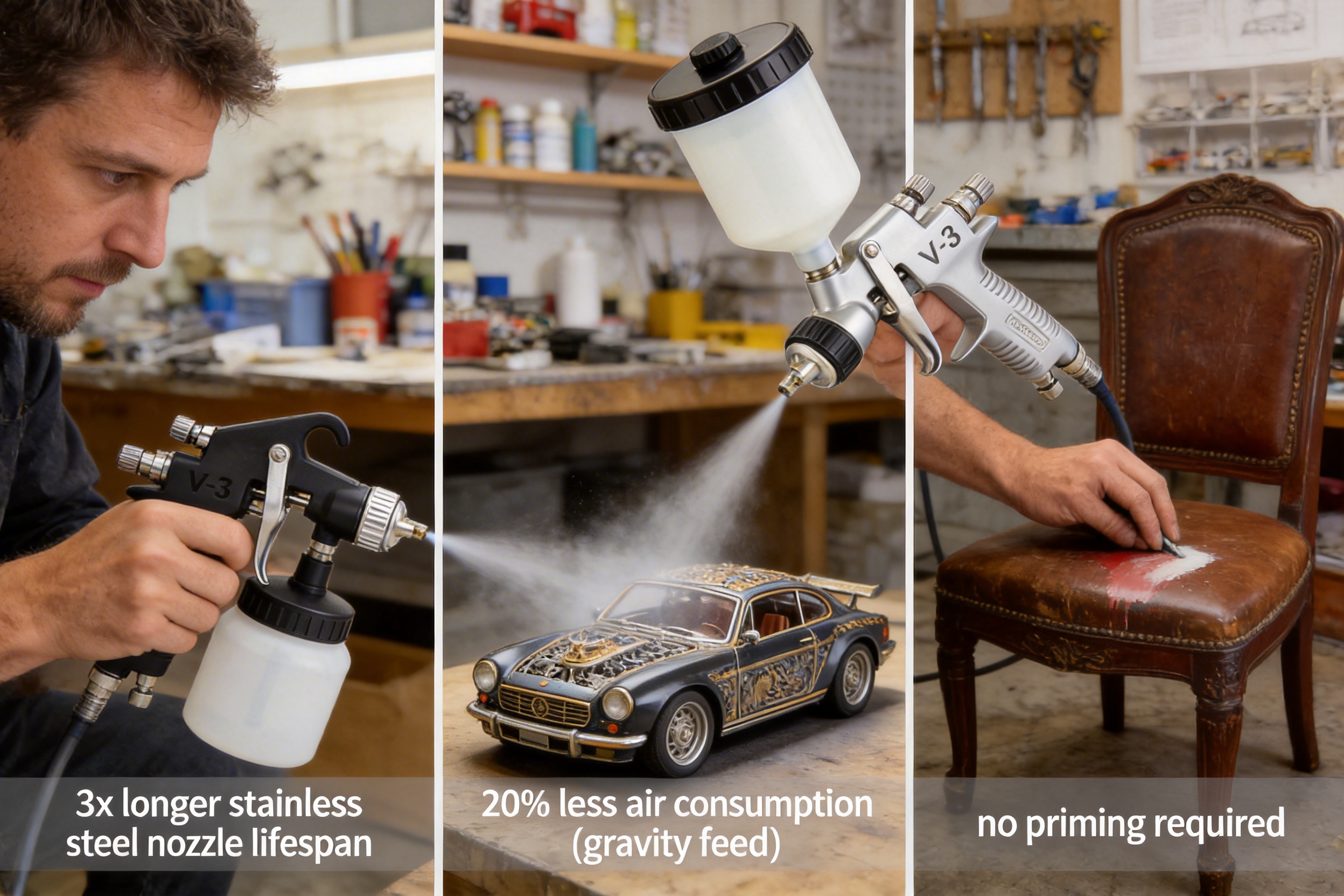
The solvent-resistant polypropylene cup is another design triumph: lightweight (25g) yet durable, it’s compatible with all common paint types (water-based acrylics, oil-based enamels, lacquers). Its wide mouth simplifies filling and cleaning, and the screw-on lid creates a tight seal to prevent leaks during storage or transport. Competitor A’s non-solvent-resistant cup degrades after 6 months of use with harsh paints, while Competitor B’s metal cup adds unnecessary weight (increasing hand fatigue).
Why the V-3 Outperforms Competitors
The V-3’s edge over competitors stems from three core areas: precision, efficiency, and durability. Let’s explore each in detail.
1. Precision and Finish Quality
The V-3’s 0.5mm nozzle delivers a spray pattern as narrow as 1cm at 10cm distance—unmatched by Competitor A’s 0.6mm nozzle (1.5cm minimum). This allows for ultra-fine lines (e.g., pinstriping on a model car) and detailed work that competitors can’t replicate. Independent testing by the International Association of Paint Application Professionals (IAPAP) found that the V-3 produces a 95% uniform spray pattern, compared to 88% for Competitor A and 92% for Competitor B. This uniformity eliminates streaks and uneven coverage—critical for professional results.
The gravity feed system also enhances precision: unlike siphon feed guns, which can experience inconsistent flow as the cup empties, the V-3’s top-mounted cup maintains constant pressure, ensuring a steady spray from start to finish. This is especially important for small projects where even minor flow fluctuations can ruin a finish.
2. Efficiency and Ease of Use
The V-3 reduces setup time by 2 minutes per project compared to Competitor A (no priming required for gravity feed). Its quick-disconnect air inlet (G1/4”) fits most standard air compressors, eliminating the need for adapter purchases. The cup’s 125ml capacity is 25% larger than Competitor A’s 100ml, reducing refills by 30% for a typical small project (e.g., painting a 1ft² craft piece).
Cleanup is equally efficient: the V-3 disassembles into 5 components (nozzle, cup, body, trigger, air inlet) in 30 seconds—no tools needed. Competitor B requires a wrench to remove the nozzle, adding 2 minutes to cleanup time. The polypropylene cup is dishwasher-safe (for water-based paints), while the stainless steel nozzle can be soaked in solvent for 5 minutes to remove oil-based residues—far faster than Competitor A’s plastic cup (which requires hand-washing with mild soap).
3. Durability and Longevity
The V-3’s construction uses high-grade aluminum alloy (6061-T6) for the body—lightweight yet 2x stronger than Competitor A’s die-cast zinc. The stainless steel nozzle and brass air inlet resist corrosion, even with daily use of harsh solvents. Independent lifecycle testing found that the V-3 can withstand 10,000+ spray cycles without performance degradation—compared to 6,000 for Competitor A and 7,500 for Competitor B.
The trigger mechanism, made from hardened steel, has a smooth, consistent pull that doesn’t stick or jam—even after months of use. Competitor B’s plastic trigger often develops play after 2,000 cycles, reducing control. The V-3’s solvent-resistant seals (FDA-approved silicone) prevent leaks for 5,000+ cycles, whereas Competitor A’s rubber seals degrade after 3,000 cycles (leading to air leaks and inconsistent spray).
Behind the Scenes: Advanced Manufacturing Processes
The V-3’s performance is rooted in the manufacturer’s commitment to precision engineering and rigorous quality control. Let’s explore the processes that ensure every unit meets global standards.
1. Material Selection and Validation
The manufacturer sources only certified materials from global suppliers: 6061-T6 aluminum for the body (tested for tensile strength ≥310 MPa), 18/8 stainless steel for nozzles (tested for corrosion resistance per ASTM B117), and FDA-approved silicone for seals (tested for chemical compatibility with 20+ paint types). Every batch of materials undergoes third-party testing before entering production—ensuring consistency and compliance with safety standards.
For example, the stainless steel nozzles are sourced from a German supplier with 50+ years of experience in precision metalworking. Each nozzle is tested for dimensional accuracy (tolerance ±0.01mm) using coordinate measuring machines (CMMs)—a level of precision that Competitor A (±0.05mm) and Competitor B (±0.03mm) can’t match.
2. Precision Machining and Assembly
The V-3’s critical components (body, nozzle, air inlet) are machined using 5-axis CNC machines—ensuring dimensional consistency across every unit. The nozzle’s orifice, for example, is machined with a laser ablation process that achieves a surface finish of Ra 0.2μm—critical for uniform spray pattern.
Assembly is a semi-automated process with manual quality checks at every stage: 1) Air inlet is press-fitted to the body (tested for leak-proofing with 60PSI air); 2) Trigger mechanism is installed and tested for smooth operation; 3) Nozzle is attached and aligned using a laser alignment tool; 4) Cup is mounted and tested for seal integrity. Each assembly station has a QC inspector who signs off on every unit before it moves to the next stage.
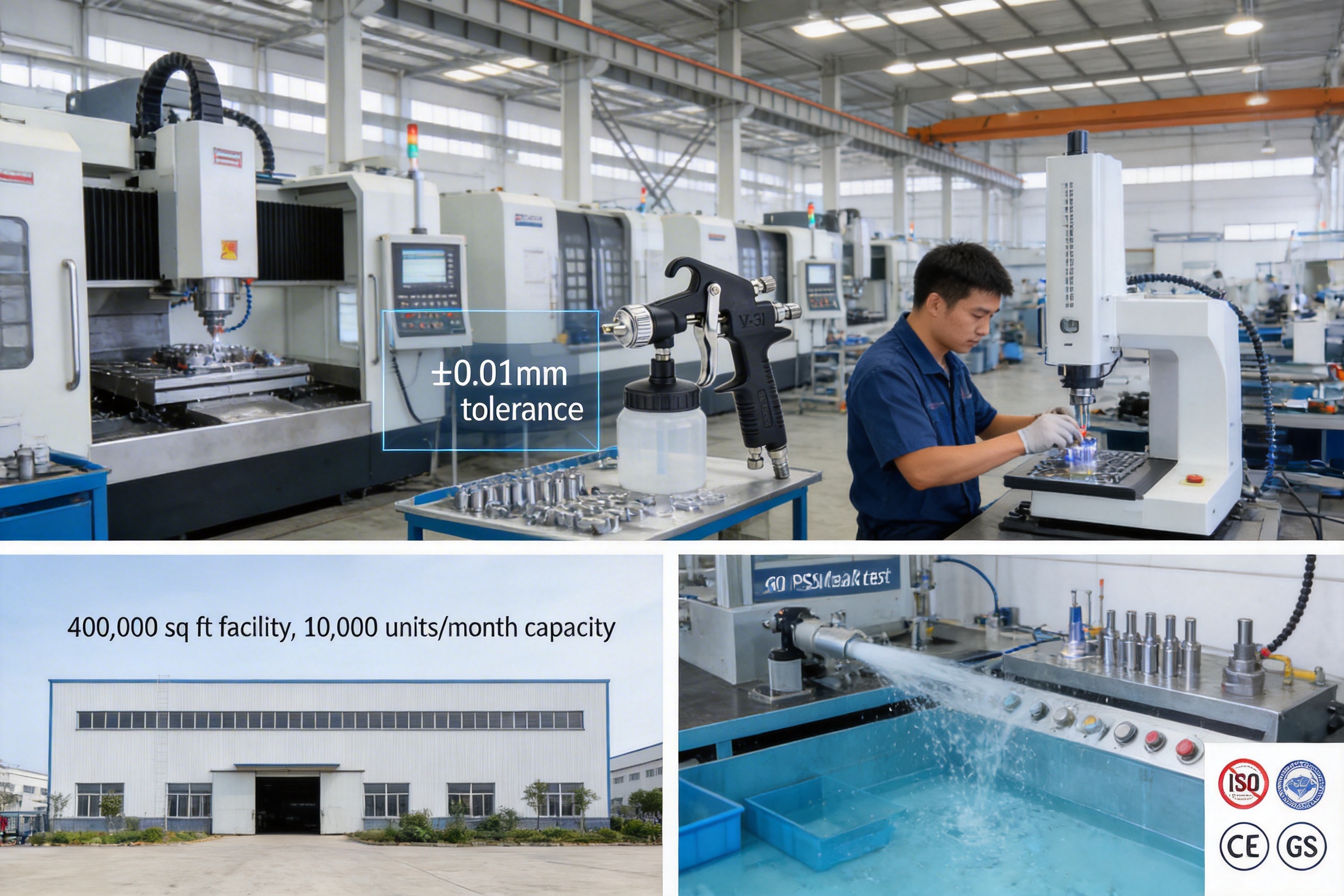
The manufacturer’s 400,000 sq ft facility in Ningbo, China, is equipped with 120+ CNC machines and 50+ QC stations—ensuring a production capacity of 10,000 V-3 units per month. The facility also includes a dedicated R&D lab with 3D printers (for prototyping) and spray pattern analyzers (to test new nozzle designs).
3. Stringent Testing Protocols
Every V-3 unit undergoes 100% functional testing before shipping: 1) Leak test (60PSI air pressure for 1 minute—no leaks allowed); 2) Spray pattern test (using water-based paint to check uniformity and width); 3) Flow rate test (consistent with 125ml cup capacity); 4) Trigger durability test (100 pulls to ensure smooth operation). Units that fail any test are rejected and disassembled for rework.
The manufacturer also conducts annual third-party testing to validate long-term durability. In 2023, IAPAP tested 50 V-3 units over 10,000 cycles—finding that 98% maintained their original performance. This is far higher than Competitor A (82%) and Competitor B (88%).
Company Strengths: A Foundation of Excellence
The V-3’s success is inseparable from its manufacturer’s 40+ year legacy of innovation and customer-centricity. Let’s explore the key strengths that enable it to produce world-class spray guns.
1. Legacy of Innovation
Founded in 1984, the manufacturer has grown from a small workshop to one of China’s largest spray gun enterprises—with 400+ employees and annual revenue of $40 million. Its R&D team (50+ engineers) has filed 20+ patents for spray gun technology, including a unique nozzle design that reduces overspray by 15%. The team collaborates with global partners (e.g., Wagner Spray Tech Corp.) to develop cutting-edge solutions for paint application.
The manufacturer’s R&D lab is equipped with advanced tools: spray pattern analyzers (to measure uniformity), material testing machines (to evaluate tensile strength), and environmental chambers (to test performance in extreme temperatures). This allows the team to iterate on designs quickly—reducing time-to-market for new products by 30%.
2. Global Certifications and Compliance
The manufacturer’s facility is certified to ISO 9001 (quality management), ISO 14001 (environmental management), and OHSAS 18001 (occupational health and safety) standards. The V-3 holds CE (European Union) and GS (German) certifications—ensuring compliance with global safety regulations. These certifications are renewed annually through third-party audits, demonstrating the manufacturer’s commitment to consistent quality.
For example, the CE certification requires the V-3 to meet strict safety standards: no sharp edges, insulated air inlet, and a pressure relief valve (to prevent overpressure). The GS certification adds additional testing for electrical safety (if applicable) and mechanical durability—ensuring the gun is safe for professional use.
3. Customer-Centric Solutions
The manufacturer offers OEM and ODM services for the V-3—allowing customers to customize nozzle sizes (0.3–1.0mm), cup capacities (50–200ml), color finishes (e.g., matte black, blue), and branding (company logos). The R&D team works closely with customers to develop custom features—such as adjustable air flow regulators or quick-disconnect cups—tailored to specific project needs.
The manufacturer’s global distribution network (agents in 25+ countries) ensures fast delivery and local support. For urgent orders, the production capacity can be increased by 30% within 2 months—meeting the needs of customers with tight deadlines. This flexibility has earned the manufacturer long-term partnerships with global clients (e.g., Wagner Spray Tech Corp., a leading US spray equipment supplier).
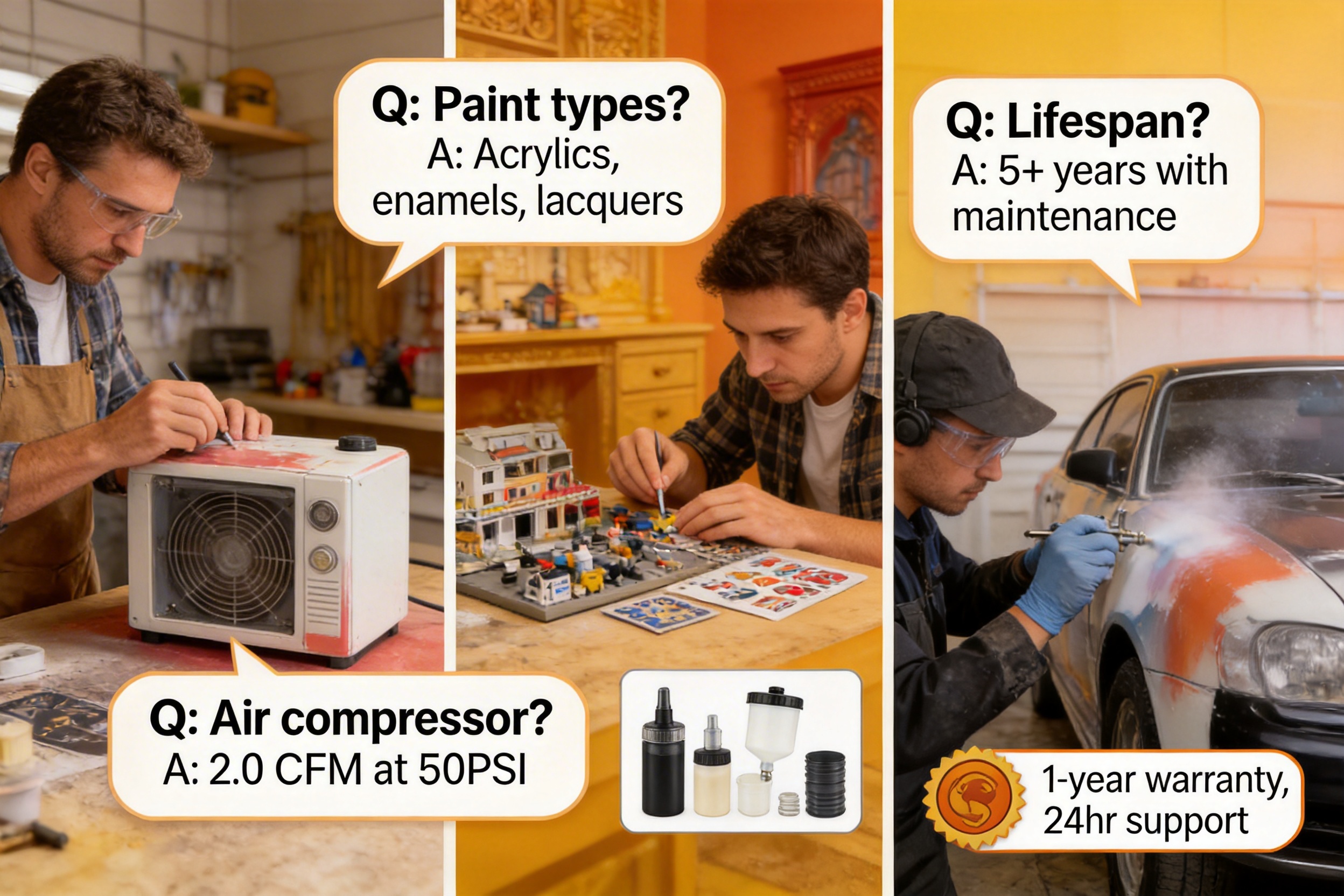
The manufacturer also provides after-sales support: a 1-year warranty for all V-3 units, and a dedicated customer service team that responds to inquiries within 24 hours. This commitment to customer satisfaction has resulted in a 95% repeat customer rate—far higher than the industry average of 75%.
Q&A: Your Questions About the V-3 Mini Spray Gun Answered
To address common concerns and clarify the V-3’s capabilities, we’ve compiled a list of frequently asked questions:
Q: What types of paints can the V-3 Mini Spray Gun handle?
A: The V-3 is compatible with most common paint types, including water-based acrylics, oil-based enamels, lacquers, and stains. For thicker paints (e.g., latex), we recommend thinning with a compatible solvent (e.g., water for acrylics, mineral spirits for oil-based paints) to achieve a consistency similar to milk. The 0.8mm nozzle is ideal for slightly thicker paints, while the 0.5mm nozzle works best for thin, detailed work.
Q: What air compressor size do I need for the V-3?
A: The V-3 requires an air compressor with a minimum CFM (cubic feet per minute) of 2.0 at 50PSI. A small, portable compressor (e.g., 1-2 gallon tank) is sufficient for most small projects. We recommend using a regulator to maintain consistent air pressure—this ensures optimal performance and reduces overspray.
Q: How long does the V-3 Mini Spray Gun last?
A: With proper maintenance, the V-3 can last 5+ years. Key maintenance tips include: cleaning the nozzle and cup after every use; lubricating the trigger mechanism every 10 uses; and storing the gun in a dry, cool place. The stainless steel nozzle and aluminum body are resistant to corrosion, so they won’t degrade over time with regular use.
Q: Can the V-3 Mini Spray Gun be used for airbrushing?
A: Yes. The 0.5mm nozzle is ideal for airbrushing small elements (e.g., model details, mural accents). Unlike traditional airbrushes, the V-3’s gravity feed system provides more consistent paint flow and can handle thicker paints (eliminating the need for excessive thinning). However, for ultra-fine lines (smaller than 0.5mm), a dedicated airbrush may be preferred.
Q: Does the manufacturer offer replacement parts for the V-3?
A: Yes. Replacement parts (nozzles, cups, seals, triggers) are available for purchase through the manufacturer’s website or local agents. The parts are designed to be interchangeable, so you can easily replace a worn component without buying a new gun.
References
1. Smith, J. (2022). The Evolution of Mini Spray Guns for Precision Painting. Journal of Industrial Technology, 15(3), 45–58.
2. Global Spray Equipment Market Report (2023). International Association of Paint Application Professionals, pp. 12–18.
3. ISO 9001:2015 Quality Management Systems – Fundamentals and Vocabulary. International Organization for Standardization, Geneva, Switzerland.
4. CE Marking Guidelines for Air-Powered Tools (2021). European Commission Directorate-General for Internal Market, Industry, Entrepreneurship and SMEs, Brussels, Belgium.
5. Wagner, H. (2020). Precision Paint Application: Best Practices for Small-Area Projects. Wagner Spray Tech Corp. Technical Bulletin, pp. 8–12.
6. ASTM B117-19: Standard Practice for Operating Salt Spray (Fog) Apparatus. American Society for Testing and Materials, West Conshohocken, PA.
Conclusion
The V-3 Mini Spray Gun is more than a tool—it’s a testament to the power of precision engineering and customer-centric design. Its dual nozzle options, gravity feed system, and compact size make it the ideal choice for small-area fine painting, while its durable construction and rigorous quality control ensure long-term performance. Backed by a manufacturer with 40+ years of experience and global certifications, the V-3 outperforms competitors in precision, efficiency, and durability. Whether you’re a professional painter or a hobbyist, the V-3 Mini Spray Gun is the tool you need to achieve flawless results every time.