 Search
 English
 中文简体
中文简体 Deutsch
 Español
Content
- 1 Product Overview
- 2 Core Specifications
- 3 Why HVLP Technology Matters
- 4 Gravity Feed Design and Its Practical Benefits
- 5 Nozzle Flexibility for Different Coating Jobs
- 6 Performance Advantages Over Common Competing Spray Guns
- 7 Application Areas
- 8 Spray Quality and Surface Finish
- 9 Air Pressure and Air Supply Considerations
- 10 Ergonomics and Daily Usability
- 11 Manufacturing Strength Behind the Product
- 12 Advanced Quality Control Processes
- 13 Certifications and Management Systems
- 14 Research, Development, and Technical Cooperation
- 15 Production Capacity and Supply Stability
- 16 Brand and Market Experience
- 17 How the H881 Supports Better Workflows
- 18 Maintenance Recommendations
- 19 Operator Technique for Best Results
- 20 Buyer Value for Distributors and Importers
- 21 Environmental and Cost Efficiency
- 22 Position in a Complete Spraying Solution
- 23 Frequently Asked Questions
- 23.1 What type of spray gun is the H881?
- 23.2 What nozzle sizes are available for the H881?
- 23.3 What is the cup capacity?
- 23.4 What air pressure does the product use?
- 23.5 What air inlet does the H881 use?
- 23.6 What applications is the H881 suitable for?
- 23.7 How does the H881 compare with conventional spray guns?
- 23.8 Why is gravity feed useful?
- 23.9 What makes the product reliable for distributors?
- 23.10 How should the spray gun be maintained?
- 24 Conclusion
- 25 References
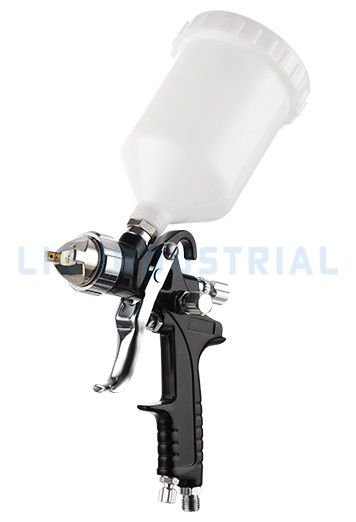
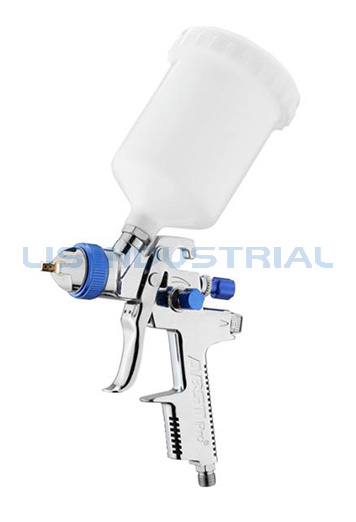
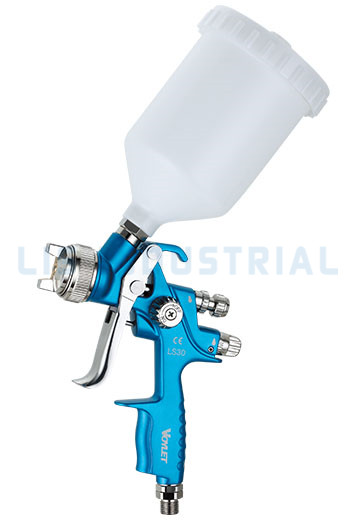
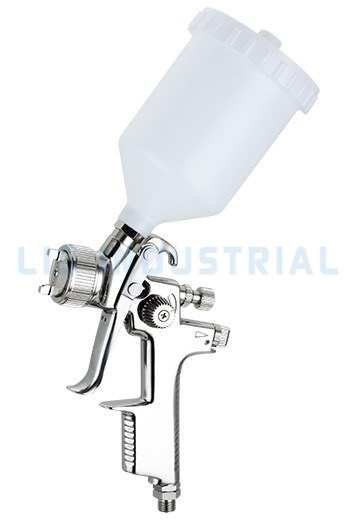
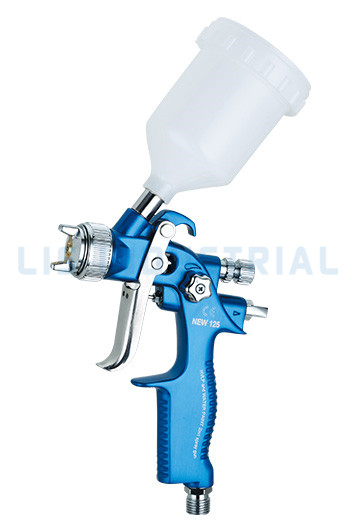
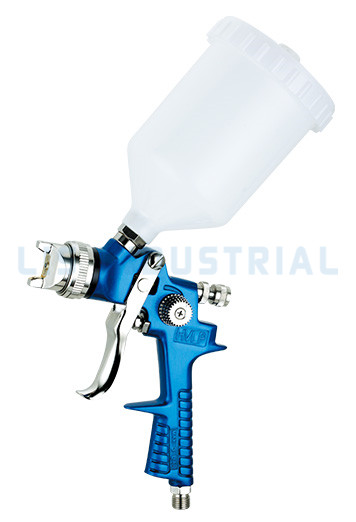
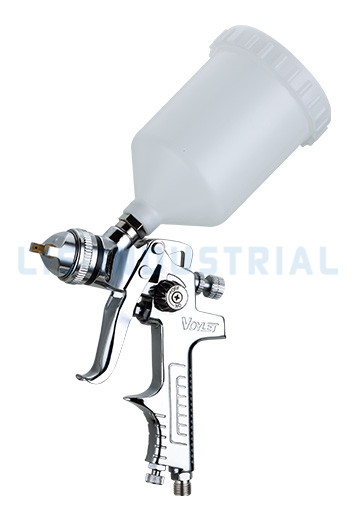
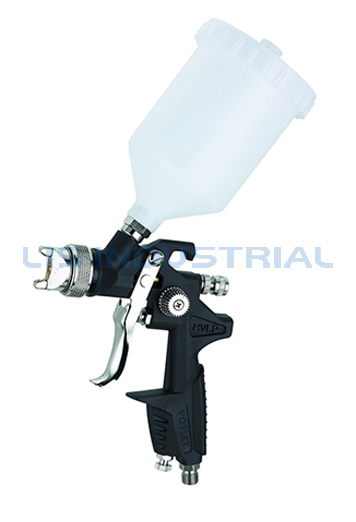
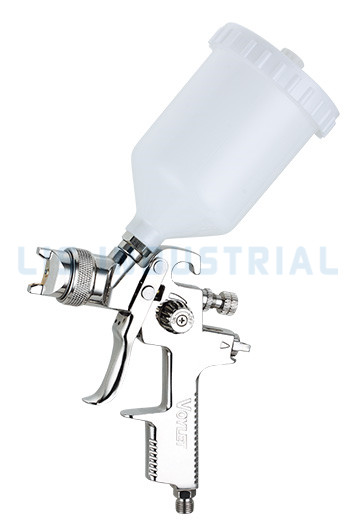
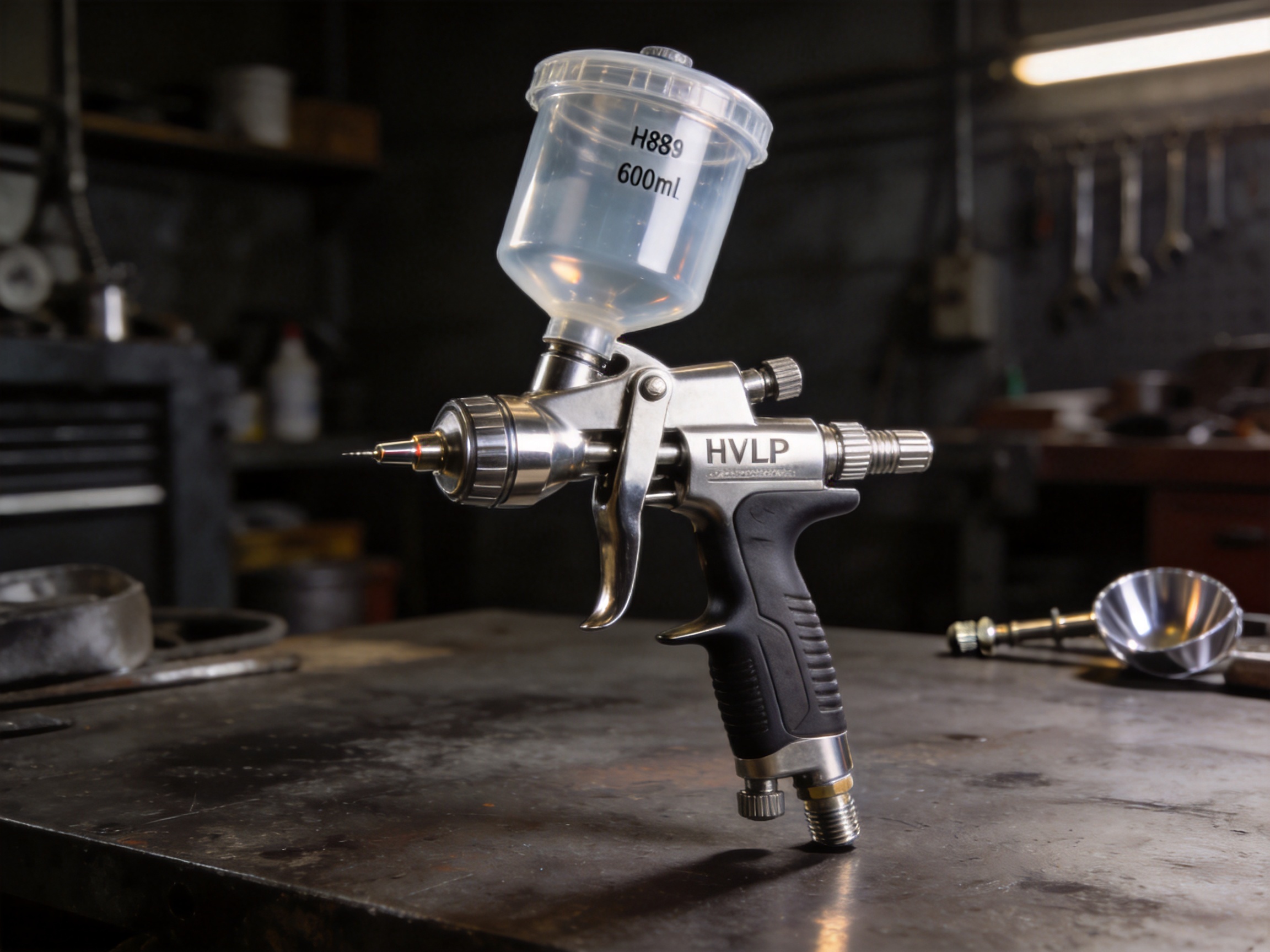
In professional coating work, the spray gun is not simply a hand tool; it is the final control point between paint preparation and surface quality. The H881 HVLP Spray Gun Gravity Feed Paint Sprayer is designed for users who require stable atomization, practical capacity, dependable handling, and efficient material transfer in daily painting operations. Built as an HVLP spray gun with gravity feed, it combines a 600 ml cup, 43 PSI air pressure, a G1/4 inch air inlet, and selectable fluid nozzle sizes of 1.4 mm, 1.7 mm, and 2.0 mm. These specifications make it suitable for a broad range of applications, from automotive refinishing and furniture coating to general industrial finishing and workshop maintenance.
The H881 belongs to the category of HVLP spray guns, a product family valued for lower overspray, improved transfer efficiency, and more controlled paint delivery compared with many conventional air spray systems. For painters, workshops, distributors, and OEM buyers, this model offers a practical balance between professional performance and daily usability. It is especially valuable for users who need one spray gun platform that can adapt to different coating viscosities, finishing requirements, and workpiece types by changing nozzle size and adjusting technique.
Product Overview
The H881 HVLP gravity feed paint sprayer is built around the principle of controlled atomization. HVLP stands for High Volume Low Pressure, which means that the gun uses a relatively high volume of air at lower spray pressure to break coating material into fine particles. This approach is widely appreciated because it can reduce bounce-back and paint waste while helping the operator apply a smoother, more even coating. The product is equipped with a gravity cup mounted above the gun body, allowing coating material to flow naturally toward the nozzle. Gravity feed design helps improve material utilization, makes it easier to spray at lower fluid levels, and supports consistent flow during detail work.
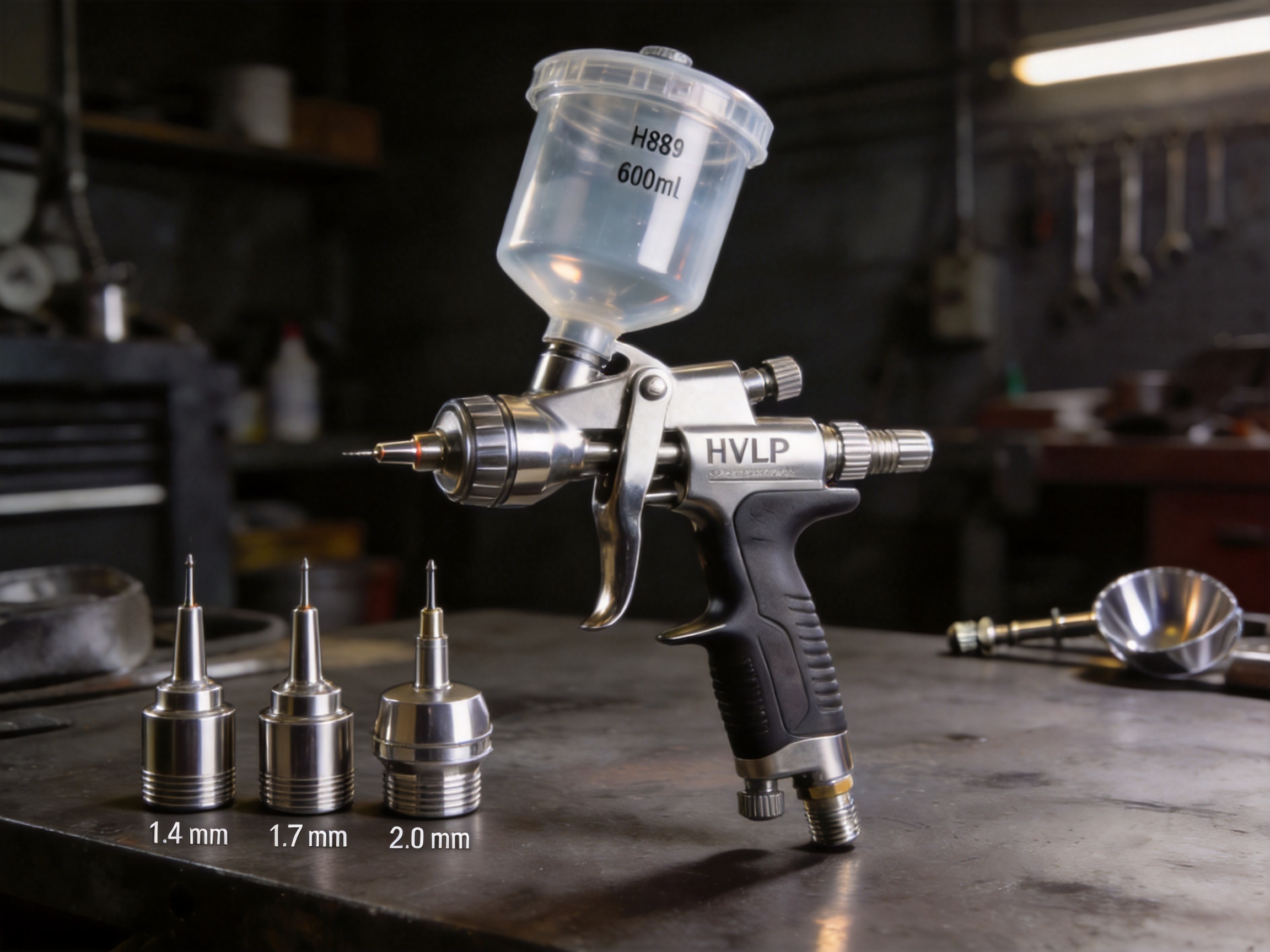
The H881 is supplied with fluid nozzle options of 1.4 mm, 1.7 mm, and 2.0 mm. This range gives painters flexibility. A 1.4 mm nozzle is commonly chosen for finer finishes and many standard basecoats or topcoats. A 1.7 mm nozzle provides a broader middle ground for primers, medium-viscosity coatings, and applications requiring slightly heavier output. A 2.0 mm nozzle supports thicker coatings, filling primers, and materials that need greater fluid passage. By offering these options, the H881 allows users to match the gun to the coating instead of forcing a single setup to handle every job.
The 600 ml cup capacity is practical for workshop use. It is large enough to complete many repair panels, furniture parts, equipment panels, and medium-sized workpieces without constant refilling, yet compact enough to preserve gun balance and operator control. The air pressure specification of 43 PSI provides a clear working reference for operators and helps maintain repeatable performance. The G1/4 inch air inlet is a widely used standard, making the tool compatible with common air hoses, fittings, and compressor systems used in painting workshops and industrial environments.
Core Specifications
| Item | Specification | Practical Value |
|---|---|---|
| Product Type | HVLP Gravity Feed Spray Gun | Improves paint transfer efficiency and helps reduce overspray |
| Fluid Nozzle Options | 1.4 mm, 1.7 mm, 2.0 mm | Supports fine finishes, medium coatings, primers, and thicker materials |
| Air Pressure | 43 PSI | Provides a stable operating reference for repeatable atomization |
| Cup Capacity | 600 ml | Balances work capacity with comfortable handling |
| Feed Type | Gravity | Promotes efficient material use and consistent fluid supply |
| Air Inlet | G1/4 inch | Compatible with common air pipeline accessories and fittings |
| Carton Packing | 10 pcs per carton, 68 x 24 x 26 cm | Convenient for distribution, inventory handling, and bulk purchasing |
Why HVLP Technology Matters
HVLP technology is one of the most important developments in modern spray finishing. In many traditional spray systems, high pressure can produce fast atomization but also significant rebound from the surface. When paint particles hit the workpiece too aggressively, some material fails to adhere and becomes airborne overspray. Overspray not only wastes paint but also increases booth contamination, filtration load, cleaning time, and environmental burden. HVLP spray guns were developed to address these issues by delivering a high air volume at lower spraying pressure, allowing particles to land more gently on the surface.
For the operator, this means better control. A spray pattern that is easier to manage can reduce the risk of dry spray, excessive build-up, uneven overlap, and edge flooding. The H881 uses this HVLP concept in a practical gravity feed form, giving painters a dependable solution for jobs where surface appearance and material savings both matter. In automotive refinishing, for example, controlled atomization can help achieve smoother basecoat distribution and more uniform clearcoat application. In woodworking, it can help avoid excessive coating build on corners, profiles, and edges. In industrial maintenance, it can help create consistent coverage on metal parts, equipment panels, and fabricated components.
The economic value of HVLP performance should not be underestimated. Paint, coatings, reducers, hardeners, and cleaning solvents represent a significant operating cost for body shops and manufacturers. A spray gun that transfers more material to the target and less into the air can produce measurable savings over time. Even small reductions in overspray can become important when a workshop sprays every day. The H881 is positioned as a tool that supports such efficiency without requiring complex operation.
Gravity Feed Design and Its Practical Benefits
The gravity feed layout of the H881 is central to its user-friendly performance. In a gravity feed spray gun, the cup is positioned above the gun body, allowing paint to move downward through natural gravitational force. This reduces the need for the spray system to pull material upward, which can improve responsiveness and consistency, especially when working with smaller quantities of coating. For users who handle color changes, spot repairs, furniture components, and custom finishing tasks, gravity feed design can be more convenient than siphon feed systems.
Another benefit is material savings. Because the cup sits above the fluid passage, it is often easier to use most of the paint in the cup before refilling or cleaning. This is particularly useful when spraying expensive automotive coatings, specialty finishes, or small custom batches. Less leftover material means less waste and more accurate job costing. In environments where multiple colors or coating types are used in a single day, the ability to manage smaller quantities efficiently is a major advantage.
Gravity feed spray guns also tend to support good balance when properly designed. The 600 ml cup on the H881 provides enough capacity for meaningful work intervals, while still keeping the tool manageable for controlled passes. Operator fatigue can affect finish quality; a gun that is too bulky or poorly balanced can cause inconsistent speed, poor overlap, and uneven distance from the workpiece. The H881 is designed to be practical for repeated use in workshops, making it suitable for both experienced painters and users developing professional technique.
Nozzle Flexibility for Different Coating Jobs
The availability of 1.4 mm, 1.7 mm, and 2.0 mm fluid nozzle options is one of the H881 spray gun’s most important advantages. Different coatings behave differently, and a spray gun must be matched to material viscosity, desired film build, and surface requirements. A nozzle that is too small for a thick coating can create poor flow, uneven atomization, and operator frustration. A nozzle that is too large for a fine finish may apply too much material too quickly and increase the risk of runs or orange peel. The H881 gives users flexibility to select a more appropriate setup.
The 1.4 mm nozzle size is a common choice for fine finishing applications. It can be suitable for many automotive basecoats, clearcoats, light enamels, and finishing lacquers when the coating manufacturer’s recommendations are followed. This size helps produce a controlled fluid output and is useful when smooth appearance and accurate layering are priorities. Painters working on touch-up areas, panels, decorative surfaces, and fine furniture can benefit from the control offered by this nozzle range.
The 1.7 mm nozzle expands the tool’s usefulness for medium-viscosity coatings. It is often preferred when a little more material output is needed, such as for certain primers, sealers, undercoats, or industrial coatings. It gives the operator a stronger fluid delivery while still preserving control. For workshops that handle mixed tasks, this middle option can be highly practical because it bridges the gap between fine finish work and heavier coating application.
The 2.0 mm nozzle option supports thicker materials and higher-build applications. It can be useful for primers, surfacers, fillers, and other coatings that need a larger passage. This makes the H881 more versatile than a single-purpose finishing gun. Instead of purchasing several dedicated tools for occasional different coating types, users can adapt the H881 platform by choosing the right nozzle setup. This versatility is especially attractive to distributors, repair shops, training centers, woodworking workshops, and small manufacturers that need flexible equipment without unnecessary complexity.
Performance Advantages Over Common Competing Spray Guns
In competitive spray gun markets, buyers often compare products based on atomization quality, material efficiency, durability, ease of use, spare part availability, compatibility, and cost performance. The H881 is designed to stand out by offering a balanced combination of these factors. It is not merely a low-cost tool with basic function; it is a practical HVLP spray gun supported by a manufacturer with decades of production experience, established quality systems, and broad industry capability.
Compared with many conventional high-pressure spray guns, the H881’s HVLP design helps reduce overspray and improve coating transfer. This is an advantage in paint shops where material cost and workplace cleanliness are important. Lower overspray can also support better visibility during spraying and reduce the amount of paint dust settling on nearby surfaces. While final results always depend on air supply, paint preparation, distance, technique, and environment, the HVLP platform gives users a more efficient foundation.
Compared with some entry-level gravity feed guns that offer only one nozzle size, the H881 provides broader nozzle flexibility. The 1.4 mm, 1.7 mm, and 2.0 mm choices allow one product model to cover more tasks. This helps reduce purchasing complexity for importers and distributors and improves practical value for end users. A shop may use one nozzle for fine finishing and another for primer, improving process consistency and reducing the temptation to force unsuitable material through the wrong setup.
Compared with unstable low-quality spray guns, the H881 benefits from a manufacturing background focused on systematic quality control. The producing company applies process management from raw material inspection and incoming inspection through in-process quality control, functional testing, and final inspection. This matters because spray gun performance depends on precision. Air passages, needle movement, nozzle alignment, sealing surfaces, trigger response, and pattern control must work together. A small defect can cause uneven spray, leakage, spitting, poor fan shape, or premature wear. Advanced process control helps reduce those risks.
Compared with more expensive high-end spray guns, the H881 offers strong cost performance. Many workshops need reliable daily tools that can deliver consistent results without the financial pressure of premium-priced equipment. The H881 fills this practical middle ground: professional enough for serious spraying tasks, flexible enough for multiple coating types, and efficient enough to reduce waste. For distributors, this positioning helps address a wide customer base, including automotive refinishing suppliers, hardware dealers, woodworking tool sellers, and industrial equipment providers.
Application Areas
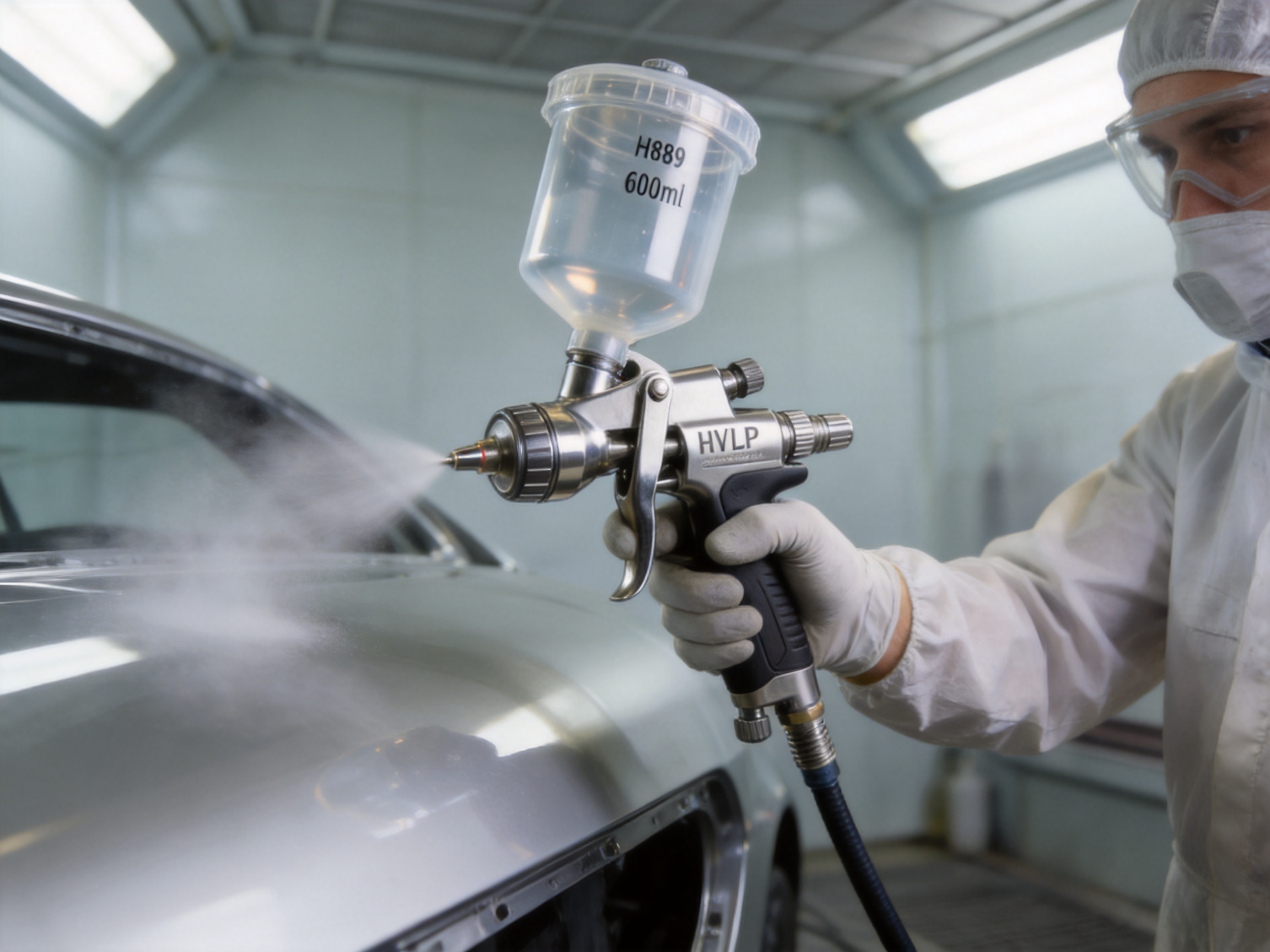
The H881 HVLP spray gun can be applied across many industries where controlled paint spraying is required. Its gravity feed structure and nozzle options make it adaptable to different materials and surfaces. In automotive refinishing, it can be used for basecoat, topcoat, clearcoat, primer, and panel repair tasks when matched with the appropriate nozzle and coating system. The controlled HVLP spray pattern helps painters achieve uniform layers, which is critical for color consistency, gloss, and film build.
In woodworking, the H881 can support the application of stains, lacquers, sealers, varnishes, and protective finishes, depending on viscosity and product recommendations. Wood surfaces often require careful control because they may absorb coatings unevenly, and excessive material can cause runs on vertical panels or pooling in profiles. A gravity feed HVLP spray gun allows the operator to use a measured amount of coating and refine the spray pattern for edges, carved areas, cabinet doors, chairs, and decorative panels.
In general manufacturing, the H881 can be useful for coating metal components, machinery panels, frames, fixtures, and equipment housings. Industrial users value tools that are easy to integrate into existing air systems and simple to maintain. The G1/4 inch air inlet helps with compatibility, while the 600 ml cup provides practical capacity for batch work and small production runs. For repair and maintenance teams, the gun can also support repainting of worn surfaces, touch-up coating, and protective finishing.
The product can also serve training environments. Painting technique requires practice: spray distance, gun angle, trigger timing, overlap, speed, and pattern adjustment must be learned through repetition. A spray gun with stable operation and accessible specifications helps students and new technicians develop correct habits. Because the H881 covers several nozzle sizes, it can teach users how equipment setup affects coating behavior.
Spray Quality and Surface Finish
Surface quality is the result of many factors, but the spray gun is one of the most visible contributors. A good spray gun must atomize coating into a suitable particle size, distribute it evenly across the fan, and deliver material consistently from the beginning of the stroke to the end. The H881 is designed to provide practical atomization for everyday finishing needs. Its HVLP technology supports a softer spray that can help painters lay down material smoothly and evenly.
For fine finishes, the operator can use the 1.4 mm nozzle, adjust air pressure, set the fluid control, and test the fan pattern before spraying the workpiece. Correct setup can help reduce orange peel, striping, mottling, and dry edges. For medium build, the 1.7 mm nozzle can improve coverage without overwhelming the surface. For heavier primers or thicker coatings, the 2.0 mm nozzle can help maintain fluid delivery and reduce strain on the spray system.
Consistency is especially important during repeated jobs. A repair shop may need to match previous work, while a factory may need each batch of components to meet the same visual standard. The H881’s design and manufacturing support repeatable performance, giving users a reliable tool for standardized procedures. When paired with clean compressed air, proper filtration, suitable coating viscosity, and correct operator technique, the gun can contribute to high-quality surface results.
Air Pressure and Air Supply Considerations
The H881 lists an air pressure of 43 PSI, giving users a clear reference point for operation. However, effective spraying also depends on the entire compressed air system. The compressor must provide sufficient air volume, the hose must be appropriately sized, and the air supply should be clean, dry, and stable. Moisture, oil, dust, and pressure drops can affect atomization and coating adhesion. For best results, users should work with suitable air pipeline accessories, filters, regulators, and fittings.
The G1/4 inch air inlet is a practical standard that allows the H881 to connect with common fittings. This compatibility is important in real workshops where tools may be shared across stations or connected to existing air lines. Users should inspect couplers and hoses to prevent leaks because air loss can reduce spray performance. A regulator near the gun can help maintain consistent pressure during operation, especially when long hoses or multiple tools are connected to the same compressor system.
Stable air supply improves both quality and efficiency. If air pressure fluctuates, the spray pattern may change, causing uneven coating thickness. If air is contaminated with water or oil, defects such as fisheyes, blushing, pinholes, or adhesion problems may occur. The H881 can perform best when integrated into a properly managed spraying system, and this is one reason the manufacturer’s broader experience with air tools, compressors, air fittings, and pipeline accessories is valuable.
Ergonomics and Daily Usability
A spray gun used every day must be comfortable, responsive, and easy to control. The H881’s gravity feed configuration supports a natural working style for many painters. Since the cup is located above the gun, the operator can observe material quantity easily and manage refilling without complex procedures. The 600 ml cup offers a useful balance: it reduces interruption during spraying while avoiding excessive top weight.
Trigger feel and control response influence spray accuracy. A painter often feathers the trigger at the start and end of each pass, controlling both air and fluid delivery to avoid heavy spots. A dependable spray gun must allow smooth trigger movement and predictable fluid response. The H881 is intended for workshop practicality, helping users manage controlled passes around edges, corners, curves, and large flat surfaces.
Ease of cleaning is another usability factor. After spraying, the gun should be cleaned promptly according to the coating material used. Gravity feed guns can be efficient to clean because the cup and fluid path are accessible. Proper maintenance protects needle seating, nozzle accuracy, air cap passages, seals, and threads. A spray gun that is easier to clean is more likely to be maintained correctly, which extends service life and preserves finish quality.
Manufacturing Strength Behind the Product
The H881 is supported by Ningbo Lis Industrial Co., Ltd., a manufacturer engaged in the research, development, manufacturing, and marketing of air painting spray gun series, mini air compressors, and relevant air tools. The company has been active since 1984 and has developed into one of the largest enterprises in China’s painting spray gun industry. With more than 400 employees, a production site covering over 400,000 square feet, and annual output exceeding 40 million US dollars, the company provides substantial production capacity and industry experience.
This manufacturing background matters to buyers because spray gun quality depends on repeatable industrial capability. A spray gun is a precision product, even when it appears simple from the outside. Its internal geometry affects air flow, fluid flow, atomization, sealing, and durability. Manufacturing errors can lead to poor pattern shape, leaking, uneven atomization, or inconsistent adjustment. A company with long-term specialization in spray guns and air tools is better positioned to control these details.
The company has earned recognition such as national high-tech enterprise status, customs advanced certification enterprise qualification, individual item champion recognition in Ningbo City, and provincial engineering and technology center status. These strengths indicate not only manufacturing scale but also technical development capability. For global buyers, such credentials help reduce sourcing risk and support confidence in long-term supply.
Another important strength is the company’s ability to offer both OEM and ODM services. OEM production allows customers to purchase according to provided drawings or samples, while ODM service supports new product development based on customer needs. This flexibility is valuable for international distributors, private-label brands, and industrial clients requiring customized configurations, packaging, or product lines. The H881 can therefore be understood not only as a standalone spray gun but also as part of a broader professional manufacturing system.
Advanced Quality Control Processes
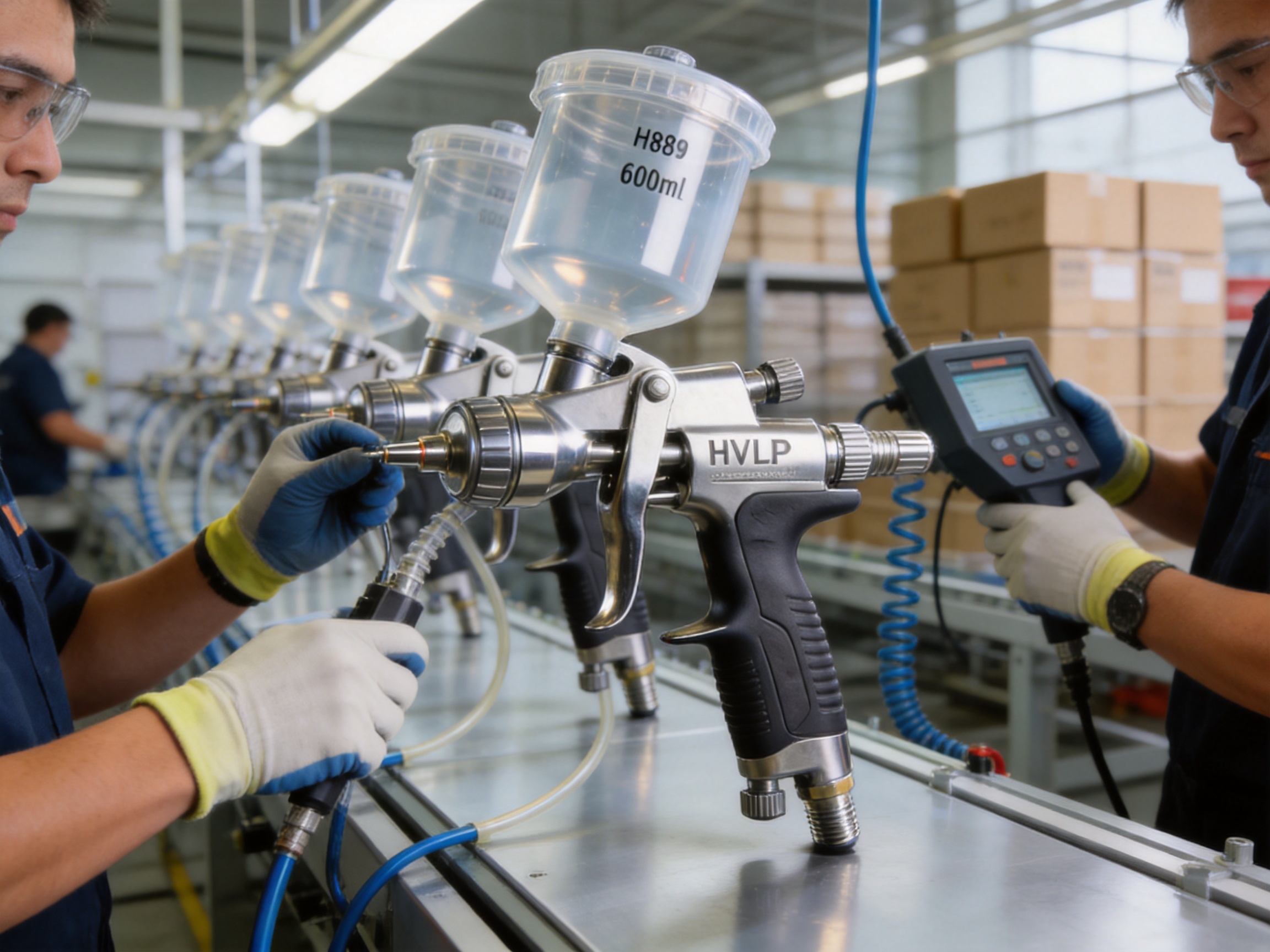
Quality control is central to spray gun performance. The manufacturer follows ISO9000 quality system requirements and applies strict control throughout the whole quality process. This includes raw material and incoming inspection, in-process quality control, 100 percent functional testing, and final quality inspection of finished products. For a product such as the H881, these steps help ensure that each gun meets expected functional standards before shipment.
Raw material inspection is important because the quality of metals, seals, cups, and components influences durability and safety. If material quality is inconsistent, finished products may wear quickly, corrode, deform, or leak. Incoming inspection helps identify problems before parts enter production. This reduces the risk of hidden defects passing into assembly.
In-process quality control focuses on production stages. Machining accuracy, surface treatment, assembly torque, part fit, air passage cleanliness, and sealing must be monitored. For spray guns, the relationship between nozzle, needle, and air cap is especially important. If these components are not aligned or finished properly, atomization quality can decline. Process control helps keep production consistent from batch to batch.
Functional testing verifies that the finished spray gun works as intended. A 100 percent functional test approach is particularly valuable because it checks each unit rather than relying only on random sampling. Tests may involve air flow, trigger operation, leakage control, spray function, adjustment response, and general assembly condition. Final inspection then confirms appearance, packaging, labeling, and shipment readiness. For distributors and end users, this reduces after-sales issues and supports trust in the product.
Certifications and Management Systems
The company has passed ISO9001 international quality system certification, OHSAS18001 occupational health and safety system certification, and ISO14001 environmental management system certification. It has also passed European CE and German GS international product certifications for relevant products. These certifications reflect a structured approach to quality, safety, environmental responsibility, and product compliance.
ISO9001 is especially relevant to buyers because it requires a documented quality management system, process control, continuous improvement, corrective action, and customer focus. For spray gun production, this supports stable manufacturing, traceability, and consistent inspection. ISO14001 reflects environmental management, which is increasingly important in the painting and coating industry because spraying involves materials, solvents, emissions, waste, and cleaning processes. OHSAS18001 indicates attention to occupational health and safety, supporting responsible factory operations.
CE and GS certifications demonstrate awareness of international market requirements. Global buyers often need products that can meet regional expectations for safety and compliance. While the exact certification scope should always be confirmed for specific product shipments, the company’s certification background is a positive signal for international sourcing.
Research, Development, and Technical Cooperation
Continuous innovation is a stated mission of the manufacturer. The company has established a spraying machinery engineering technology center and has carried out technical cooperation with American Wagner Spraying Technology Co., Ltd., specializing in the development and research of spraying machinery. This technical background strengthens the company’s ability to improve product design, optimize production processes, and respond to market trends.
R&D capability is important because the spraying industry continues to evolve. Customers demand better atomization, lower overspray, easier maintenance, improved ergonomics, environmental compliance, and compatibility with new coating materials. A manufacturer with a strong engineering team can study these needs and develop improved products. The H881 benefits from this broader technical environment because it is produced within a company focused on paint application solutions rather than isolated commodity manufacturing.
The company’s ability to provide ODM services also demonstrates design flexibility. Customers may request changes in packaging, configuration, accessories, cup style, nozzle kit, or product positioning. For international importers, this can help build differentiated product offerings. For industrial customers, it can support specialized workflows. The H881, as a practical HVLP spray gun, fits into this capability as a product that can serve standard demand while also supporting customized business models.
Production Capacity and Supply Stability
Supply stability is a major consideration for buyers who import spray guns or distribute them through retail and industrial channels. A product may perform well, but if the supplier cannot deliver consistently, the buyer faces lost sales, delayed projects, and inventory problems. The manufacturer behind the H881 has large-scale production capacity and states that production capacity could be increased by 30 percent in two months to meet customer needs with different purchase quantities.
This flexibility is valuable for seasonal demand, promotional orders, new market launches, and urgent replenishment. The carton packing specification of 10 pieces per carton with a carton size of 68 x 24 x 26 cm supports organized bulk shipping and warehousing. Distributors can plan inventory more easily when packing is standardized. For large orders, stable packing also helps with logistics calculation, container planning, and warehouse handling.
The company has built a worldwide marketing and service network, and its products are sold into Europe, North America, the Middle East, South Africa, and East Asia. International experience helps a supplier understand export documentation, packaging expectations, market preferences, and communication requirements. For buyers considering the H881, this background reduces uncertainty and supports long-term cooperation.
Brand and Market Experience
Ningbo Lis Industrial Co., Ltd. has developed well-known international brands including Voylet and Muzi, with Muzi recognized as a China Well-known Brand. The company also refers to Wagem in its brand and market materials. This brand-building experience shows that the manufacturer understands not only production but also market positioning, distributor support, and end-user expectations. For an H881 buyer, that experience can translate into more reliable product presentation, packaging, and after-sales communication.
The company’s customer relationships include international partners and long-term strategic cooperation with customers around the world. Strong customer partnerships are important because they encourage continuous improvement. Feedback from automotive refinishers, industrial users, importers, and distributors can help manufacturers refine product details and improve future batches. A company that values customer satisfaction is more likely to respond to market problems and support product development.
In competitive markets, a spray gun must be more than a specification sheet. It must be supported by a reliable supply chain, technical knowledge, quality control, and business responsiveness. The H881 benefits from being part of a manufacturer’s complete spraying product ecosystem, which includes spray guns, air brushes, mini oil-free compressors, air pipeline accessories, paint tanks, air fittings, automatic spray guns, airless spray guns, electric spray guns, and related tools.
How the H881 Supports Better Workflows
A good spray gun improves workflow by reducing unnecessary adjustments, minimizing material waste, and making results more predictable. The H881 supports better workflow through its combination of HVLP technology, gravity feed design, nozzle flexibility, and standard air connection. In a busy workshop, painters can prepare the coating, select the appropriate nozzle, connect to a regulated air source, test the spray pattern, and begin work with confidence.
For automotive repair, workflow often involves preparation, masking, primer, sanding, basecoat, clearcoat, curing, and polishing. A gun that can handle multiple stages with appropriate nozzle changes can simplify tool management. For woodworking, workflow may involve sanding, sealing, staining, topcoating, drying, and final finishing. The H881’s controlled spray delivery can help apply thin, even layers, which is often preferable to heavy coats that cause runs or extended drying times.
For small manufacturers, workflow efficiency means repeatability. Workers need tools that are easy to teach, easy to clean, and durable enough for repeated use. The H881 provides practical specifications that can be incorporated into standard operating procedures. A facility can define recommended nozzle sizes, air pressure settings, viscosity ranges, test spray steps, cleaning procedures, and inspection criteria around the gun.
Maintenance Recommendations
Proper maintenance is essential for any spray gun. Even a well-manufactured product can perform poorly if dried paint blocks the nozzle, air cap, or fluid passages. Users should clean the H881 after each use, following the safety and cleaning instructions for the coating material. Solvent-based paints, water-based paints, primers, and clearcoats may require different cleaning agents and disposal methods.
After spraying, remaining coating should be removed from the cup, and compatible cleaning liquid should be used to flush the fluid passage. The air cap and nozzle should be cleaned carefully without damaging precision openings. Sharp metal objects should not be forced into holes because they can change the spray pattern. Soft brushes and proper cleaning tools are preferable. The needle should be handled carefully to avoid bending or scratching.
Seals, threads, and moving parts should be inspected periodically. Air leaks, fluid leaks, sticking triggers, uneven fan patterns, or spitting may indicate the need for cleaning, adjustment, or part replacement. Clean, dry compressed air also extends tool life. Using a filter and water separator in the air supply system helps prevent contamination that could damage the finish or internal components.
Good storage is also important. The gun should be stored clean and dry, away from dust and corrosive environments. The cup should not be left filled with paint for extended periods. Operators should avoid dropping the gun because impact can damage the nozzle, needle, cup connection, or body alignment. With correct care, the H881 can remain a reliable tool for repeated spraying tasks.
Operator Technique for Best Results
The H881 provides the tool foundation, but operator technique determines the final finish. Painters should maintain a consistent distance from the surface, usually following coating recommendations and test results. The gun should be held perpendicular to the workpiece rather than arcing at the wrist. Each pass should overlap the previous pass evenly, often by about 50 percent, depending on the pattern and coating.
Trigger control is important. The operator should begin moving the gun before pulling the trigger fully and release the trigger before stopping movement. This prevents heavy paint build-up at the beginning and end of each stroke. Spray speed should be consistent; moving too slowly can cause runs, while moving too quickly can cause dry spray and poor coverage. The fan pattern and fluid output should be adjusted on a test panel before spraying the final part.
Coating preparation also matters. Paint should be mixed according to manufacturer instructions, reduced if required, and filtered before entering the cup. Viscosity should be suitable for the selected nozzle. Temperature and humidity can affect drying and flow, so environmental conditions should be considered. The H881’s nozzle options help adapt to different materials, but correct preparation is still essential.
Buyer Value for Distributors and Importers
For distributors and importers, the H881 offers several commercial advantages. First, it belongs to the widely demanded HVLP spray gun category, which appeals to automotive, woodworking, industrial, and general painting users. Second, the product’s nozzle options make it easier to sell to different customer groups. Third, standardized carton packing supports inventory control and logistics. Fourth, the manufacturing company has proven export experience and capacity for large orders.
The manufacturer’s broad product category range also supports one-stop purchasing. Buyers interested in H881 spray guns may also need air blowing guns, tyre inflating guns, water guns, grease guns, air brushes, mini compressors, paint tanks, air fittings, spray gun kits, airless spray guns, electric spray guns, or pipeline accessories. Sourcing multiple related products from one experienced supplier can reduce communication cost and simplify supply chain management.
The company’s OEM and ODM capability can help importers build private-label lines or adapt products for specific market requirements. This is especially useful where distributors need unique packaging, product naming, accessory combinations, or nozzle kit configurations. A flexible supplier can support market differentiation while maintaining production efficiency.
Environmental and Cost Efficiency
Paint application has both economic and environmental dimensions. Overspray wastes material, increases booth cleaning, contaminates filters, and may contribute to emissions depending on coating type. HVLP spray guns such as the H881 are valued because they help improve transfer efficiency compared with many older conventional spray methods. More paint reaching the surface means less paint lost into the air.
For a business, material savings can be substantial over time. Coatings are often expensive, especially automotive finishes, industrial protective coatings, and specialty wood coatings. If a spray gun helps reduce waste while maintaining finish quality, it contributes directly to profitability. The H881’s gravity feed structure also helps users manage paint quantity effectively, especially during small-batch work or color changes.
Environmental responsibility is also connected to the manufacturer’s ISO14001 environmental management system. While the user’s own spraying environment and waste handling practices are critical, sourcing from a manufacturer that recognizes environmental management adds value. It reflects awareness of modern industrial expectations and supports customers who care about responsible supply chains.
Position in a Complete Spraying Solution
The H881 should be viewed as part of a complete spraying solution. A spray gun works best when paired with the right compressor, air hose, regulator, filter, fittings, paint preparation tools, protective equipment, and cleaning materials. Ningbo Lis Industrial Co., Ltd. focuses on total solutions for spraying products, including spray guns, compressors, and relevant air tools. This comprehensive product ecosystem allows customers to build compatible systems rather than purchasing isolated components from unrelated sources.
For example, a workshop using the H881 may also require air pipeline accessories, air fittings, paint tanks for larger jobs, air blowing guns for cleaning surfaces, and polishers for finishing after coating. Having access to a wide range of products from the same manufacturing group can improve compatibility and reduce procurement complexity. It also gives distributors the ability to offer complete product assortments to their customers.
This solution-oriented approach is one of the company’s strategic strengths. The company states that total customer satisfaction is its goal and that it aims to provide high-quality products and professional services while growing together with customers. The H881 reflects this approach by offering practical specifications that meet common painting needs while fitting into a broader range of air tool and spray equipment products.
Frequently Asked Questions
What type of spray gun is the H881?
The H881 is an HVLP gravity feed spray gun. It uses high-volume, low-pressure spraying principles to support efficient coating transfer and controlled atomization. The gravity cup is mounted above the gun body, allowing paint to flow naturally into the fluid passage.
What nozzle sizes are available for the H881?
The H881 offers 1.4 mm, 1.7 mm, and 2.0 mm fluid nozzle options. The 1.4 mm size is suitable for many fine finishing tasks, the 1.7 mm size is useful for medium-viscosity coatings, and the 2.0 mm size supports thicker materials such as primers and higher-build coatings.
What is the cup capacity?
The cup capacity is 600 ml. This size provides a useful balance between working time and comfortable handling. It is large enough for many workshop tasks while remaining manageable for controlled spraying.
What air pressure does the product use?
The listed air pressure is 43 PSI. For best results, users should ensure that the air supply is stable, clean, dry, and properly regulated. Air pressure should be verified at the gun or near the gun to reduce the effect of pressure drops in long hoses.
What air inlet does the H881 use?
The H881 uses a G1/4 inch air inlet. This is a common standard and is compatible with many air hoses, fittings, and pipeline accessories used in painting workshops.
What applications is the H881 suitable for?
The H881 can be used for automotive refinishing, woodworking finishes, general industrial coating, equipment maintenance, panel repair, primer application, and other controlled paint spraying tasks. The correct nozzle and coating preparation should be selected according to the material being sprayed.
How does the H881 compare with conventional spray guns?
Compared with many conventional high-pressure spray guns, the H881’s HVLP design can help reduce overspray and improve material transfer efficiency. This may reduce coating waste, improve workplace cleanliness, and support smoother application when used correctly.
Why is gravity feed useful?
Gravity feed allows paint to move downward naturally from the cup into the gun. This supports efficient material use, easy handling of smaller paint quantities, and consistent fluid supply. It is especially helpful for refinishing, color changes, and controlled finishing work.
What makes the product reliable for distributors?
The H881 is produced by an experienced manufacturer with large production capacity, advanced quality control, ISO management systems, international market experience, and OEM/ODM capability. Standardized carton packing of 10 pieces per carton also helps with logistics and inventory management.
How should the spray gun be maintained?
The spray gun should be cleaned after each use. Remaining coating should be removed, the fluid passage should be flushed with a compatible cleaner, and the air cap and nozzle should be cleaned carefully. The gun should be stored dry and protected from dust, impact, and corrosion.
Conclusion
The H881 HVLP Spray Gun Gravity Feed Paint Sprayer is a practical and versatile tool for professional and semi-professional coating applications. Its HVLP technology supports efficient paint transfer and reduced overspray, while the gravity feed design improves material use and daily handling. With 1.4 mm, 1.7 mm, and 2.0 mm nozzle options, it can adapt to a wide range of coating materials and finishing tasks. The 600 ml cup capacity, 43 PSI operating reference, and G1/4 inch air inlet make it suitable for common workshop and industrial air systems.
Its competitive advantage is strengthened by the manufacturing power behind it. Ningbo Lis Industrial Co., Ltd. brings decades of industry experience, large-scale production, strong R&D capability, international certifications, strict quality control, and global market service. The company’s focus on spray guns, compressors, air tools, and complete spraying solutions gives the H881 a reliable foundation. For end users, it offers performance, flexibility, and ease of use. For distributors and importers, it offers marketable specifications, supply stability, and customization potential.
In a market where buyers must balance quality, price, efficiency, and reliability, the H881 stands out as a well-rounded HVLP gravity feed spray gun. It is designed to help painters achieve controlled atomization, reduce material waste, and handle diverse coating jobs with confidence. Supported by advanced manufacturing processes and a mature industrial supply system, it is a strong choice for customers seeking dependable paint spraying equipment.
References
1. ISO 9001 Quality Management Systems: Requirements and Implementation Guidance.
2. ISO 14001 Environmental Management Systems: Principles and Industrial Applications.
3. OHSAS 18001 Occupational Health and Safety Management Systems: Specification and Best Practices.
4. Industrial Spray Finishing Handbook: Principles of Atomization, Transfer Efficiency, and Surface Coating.
5. Automotive Refinish Coating Application Guide: Spray Gun Setup, Nozzle Selection, and Air Supply Control.
6. Wood Finishing Technology Manual: Spray Application Methods for Lacquers, Sealers, Stains, and Varnishes.
7. Compressed Air Best Practices for Paint Shops: Filtration, Regulation, Moisture Control, and Tool Compatibility.
8. Manufacturing Quality Control for Precision Air Tools: Inspection, Functional Testing, and Process Stability.