 Search

 English
 中文简体
 Deutsch
 Español
Content
- 1 What Is a Pneumatic Quick Coupler Plug?
- 2 Key Applications for the UPH20
- 3 Advantages of a US Standard Quick Coupler Plug
- 4 Design Considerations and Product Value
- 5 Manufacturing Strengths Behind the Product
- 6 Comparison with Basic or Poorly Matched Alternatives
- 7 Installation Recommendations
- 8 Maintenance and Service Practices
- 9 Why Supplier Capability Matters
- 10 Purchasing Checklist for Professional Buyers
- 11 Use in Paint-Spraying Systems
- 12 Safety Considerations
- 13 OEM, ODM, and Distribution Opportunities
- 14 Environmental and Operational Responsibility
- 15 Frequently Asked Questions
- 15.1 What is the UPH20?
- 15.2 Is the UPH20 suitable for every US Standard coupler?
- 15.3 Can the plug be used with spray guns?
- 15.4 Can it be used with automotive air tools?
- 15.5 Does a quick coupler plug eliminate air leakage?
- 15.6 Can the UPH20 be used with liquids?
- 15.7 What should be checked before ordering?
- 15.8 How does it compare with a threaded connection?
- 15.9 Can the manufacturer provide customized products?
- 15.10 What should be done if the plug is difficult to insert?
- 15.11 How should the fitting be maintained?
- 15.12 Where is the product manufactured?
- 16 Conclusion
- 17 References
- 18 Product: UPH20 Pneumatic fittings Air Compressor Hose Quick Coupler Plug+
The UPH20 pneumatic fittings air compressor hose quick coupler plug is designed for compressed-air applications that require fast connection, dependable operation, and practical compatibility with United States standard air-tool systems. As a quick-connect component, it provides a convenient interface between an air hose, compressor line, spray gun, air tool, or other pneumatic device. Its purpose is simple but essential: to allow operators to connect and disconnect equipment efficiently while maintaining a secure path for compressed air.
In workshops, factories, repair facilities, paint booths, woodworking areas, and maintenance departments, the performance of a pneumatic system depends on more than the compressor alone. Hoses, couplers, plugs, fittings, valves, and tool connections all influence air delivery, operator convenience, safety, and production efficiency. A well-made quick coupler plug can reduce setup time, simplify equipment changes, and help create a more organized air-management system.
The UPH20 belongs to the US Standard product category. It is therefore intended for applications where the connection profile, mating coupler, hose assembly, and pneumatic tools are selected according to United States standard requirements. Because quick-connect profiles can vary between regions and manufacturers, users should confirm the matching profile and thread specification before installation. Correct matching is the foundation of a safe and efficient pneumatic connection.
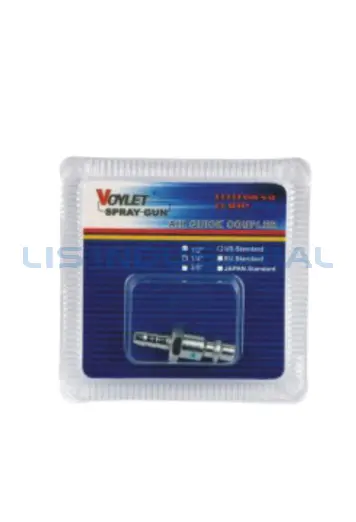
UPH20 Pneumatic fittings Air Compressor Hose Quick Coupler Plug+
What Is a Pneumatic Quick Coupler Plug?
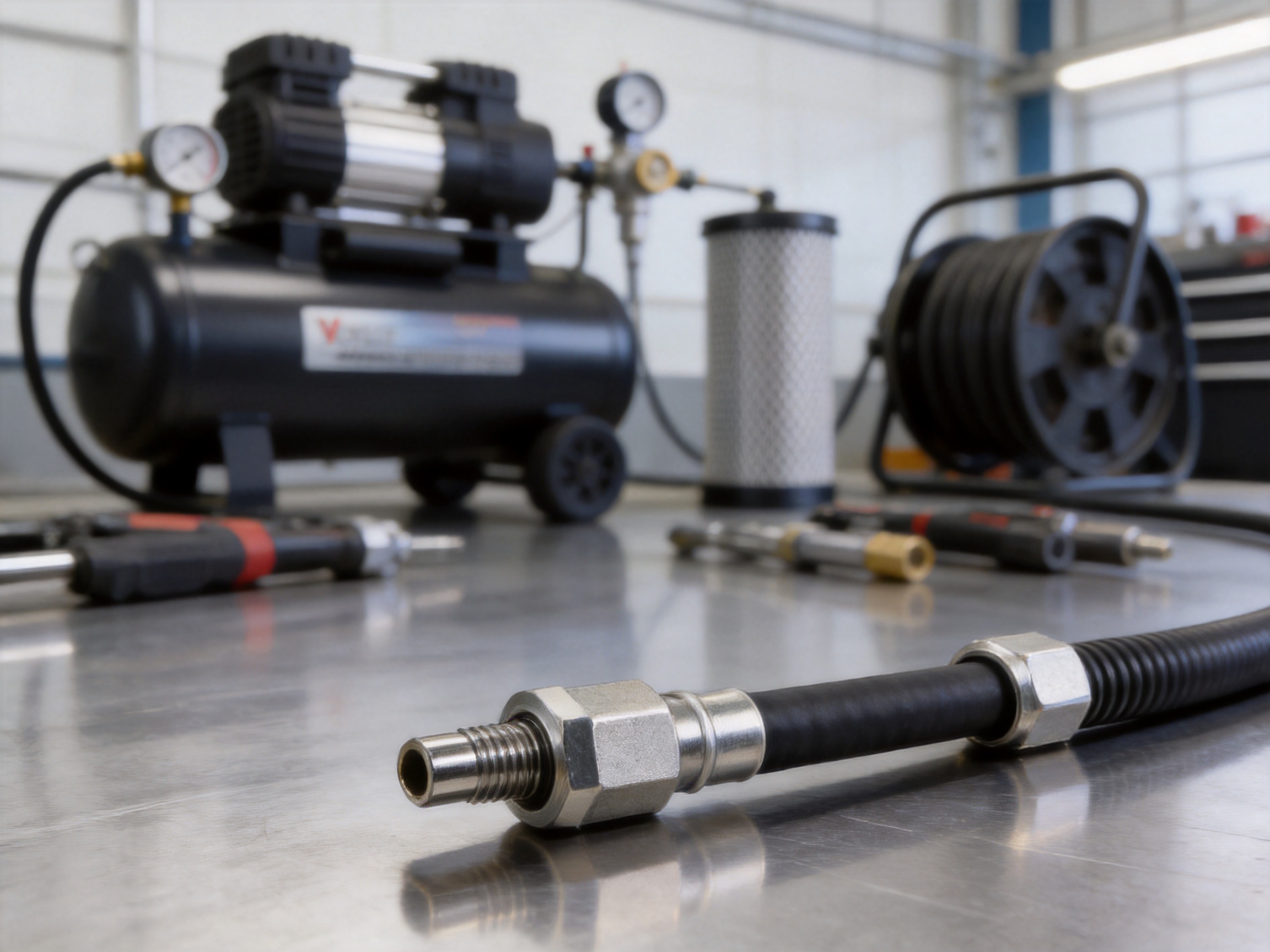
A pneumatic quick coupler plug is the male part of a quick-connect air fitting system. It is normally installed on an air hose, air tool, spray gun, extension line, or other pneumatic accessory. The plug enters a compatible female coupler, where an internal locking mechanism holds the connection in place. When the operator releases the coupler sleeve, the plug can be removed without requiring tools.
This arrangement offers a major practical advantage over permanent threaded connections. A threaded fitting may require wrenches, thread sealant, and additional time whenever a device is changed. A quick-connect system allows an operator to move from one tool to another in a much shorter period. This is particularly useful where several spray guns, blow guns, inflating tools, sandblasting tools, polishers, or pneumatic accessories share one compressor or distribution line.
The quick coupler plug is a small component, but it has several important functions. It must provide a reliable mechanical connection, maintain an effective air seal, tolerate repeated connection cycles, and resist normal workshop contamination. It must also work with the selected hose and coupler without excessive looseness, difficult insertion, or accidental release.
In a complete pneumatic connection, the plug works together with a female coupler, a hose or rigid pipe, thread interfaces, sealing elements, and the connected equipment. The performance of one component can affect the whole system. For this reason, users should consider the plug as part of a complete air-delivery arrangement rather than as an isolated accessory.
Key Applications for the UPH20
The UPH20 can serve a broad range of compressed-air applications when used with a compatible US Standard coupler. Its compact format makes it suitable for equipment that is frequently connected and disconnected. Typical application areas include painting, automotive repair, machinery maintenance, woodworking, general assembly, cleaning, inflation, and light industrial service.
Paint Spraying and Surface Finishing
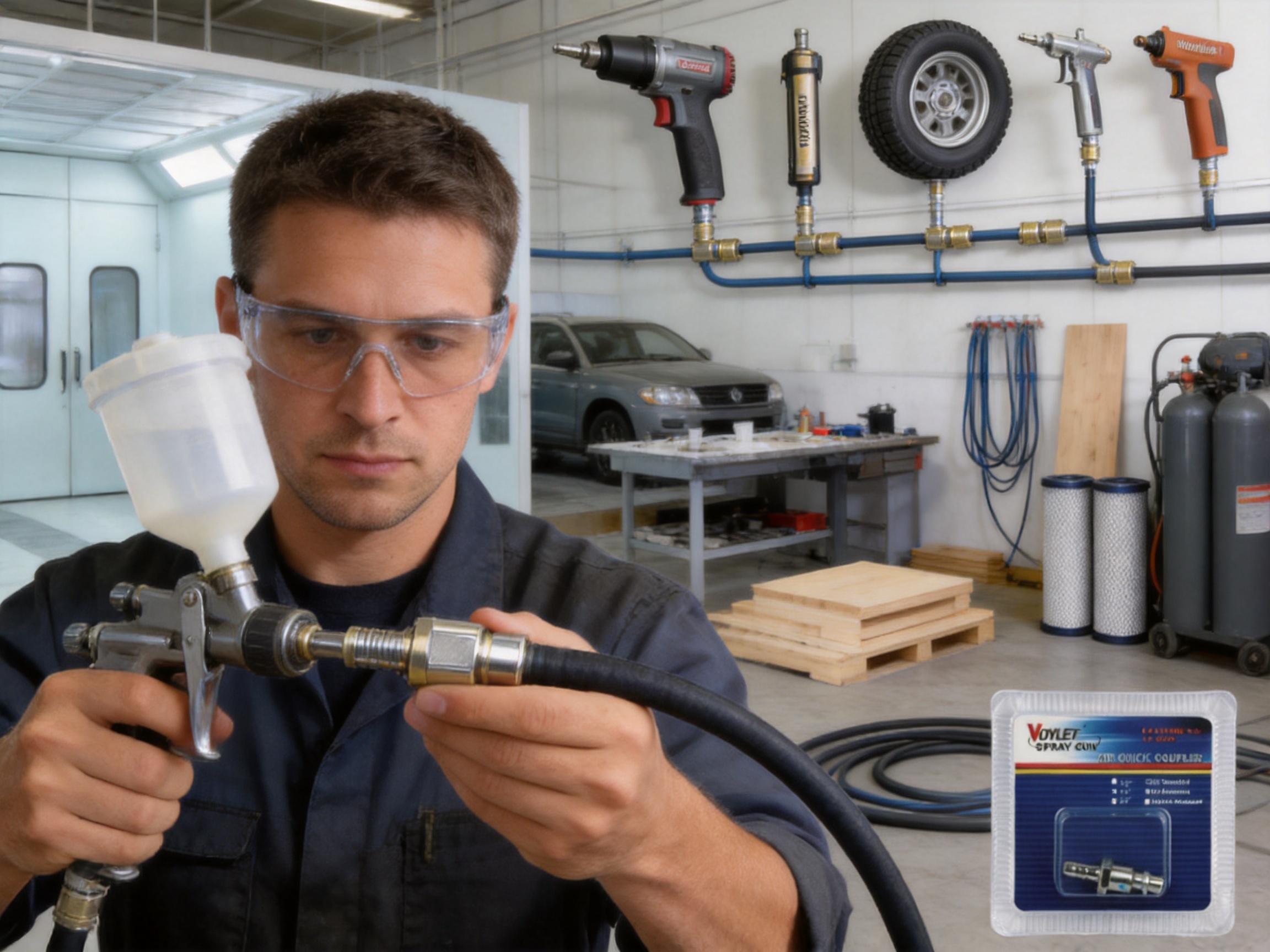
Air spray guns depend on a stable compressed-air supply. A quick coupler plug can make it easier to move a spray gun between a hose, regulator, filter, or air distribution point. In a paint shop, operators may need to change from one spray gun to another depending on the coating, surface, nozzle arrangement, or required spray pattern. A quick-connect arrangement reduces unnecessary interruptions during these changes.
For spray finishing, the connection should be clean and free from excessive oil, water, dust, and coating residue. Contaminants entering the air line may affect atomization, surface quality, or equipment service life. The plug should therefore be used as part of a properly maintained system that includes suitable filtration and moisture control where required.
Automotive Service and Repair
Automotive workshops often use several air tools from one compressor. Impact wrenches, ratchets, blow guns, tire inflators, polishing tools, and spray equipment may all require different operating arrangements. A quick coupler plug supports flexible tool management and allows technicians to change equipment without repeatedly working with threaded joints.
In a busy workshop, connection speed can contribute to overall productivity. The operator can leave compatible plugs installed on frequently used tools and connect each one to the air line as needed. This also helps reduce the number of repeated thread engagements, which may eventually damage threads or cause sealing problems.
Woodworking and Furniture Production
Woodworking operations use compressed air for nailers, staplers, blow-off cleaning, finishing equipment, and specialized production tools. The UPH20 can support a practical quick-change system for these applications when the operating pressure, hose size, and coupler profile are appropriate.
Wood dust is a common concern in woodworking environments. Coupler components should be kept clean, and open connections should not be left exposed unnecessarily. Regular cleaning helps maintain smooth insertion and release while reducing the chance that dust will interfere with the sealing or locking areas.
General Maintenance and Assembly
Maintenance teams frequently work with equipment located in different parts of a facility. A portable air hose equipped with a compatible quick coupler plug can be moved from one service point to another. The arrangement is useful for cleaning, pneumatic fastening, machine adjustment, and temporary air supply connections.
For assembly lines, quick coupler plugs can support workstation flexibility. When tools need to be serviced or replaced, the operator can disconnect the tool and install another compatible unit. This may reduce downtime and make routine equipment changes more orderly.
Advantages of a US Standard Quick Coupler Plug
The most important advantage of a US Standard plug is system compatibility within the intended standard. A plug should not be selected only because it appears physically similar to another fitting. The profile, locking method, thread type, sealing arrangement, and working requirements must correspond to the female coupler and connected equipment.
When the correct standard is selected, the user can build a more consistent air-tool system. Hoses, couplers, spray guns, regulators, and accessories can be organized around a common connection approach. This reduces confusion and helps prevent accidental attempts to force incompatible fittings together.
Fast Tool Changes
Quick connection is the defining advantage of this product type. Operators can attach or remove a compatible tool without using a wrench for every change. This is valuable in environments where tools are changed many times during a shift.
Reduced Setup Effort
Permanent threaded connections are useful for fixed installations, but they are less convenient for frequently exchanged tools. A quick coupler plug reduces the amount of manual work required during setup. The operator can focus more quickly on the task instead of preparing each connection from the beginning.
Improved Hose and Tool Organization
A planned quick-connect system can make a workshop easier to manage. Each hose or tool can be fitted with an appropriate plug, while air outlets can use matching couplers. Clearly organized connection points reduce the need for improvised adapters and help users identify which accessories belong to a particular air circuit.
Convenient Maintenance
Quick-connect components simplify the removal of equipment for inspection or repair. A spray gun, blow gun, or pneumatic tool can be separated from the hose before cleaning or servicing. This is especially practical when equipment must be cleaned at the end of a shift or moved to a maintenance area.
Support for Modular Pneumatic Systems
The UPH20 can be used as part of a modular compressed-air arrangement. A modular system can include a compressor, receiver, filter, regulator, lubricator where appropriate, pipeline, hose reels, couplers, plugs, and end-use tools. Each component can be selected according to the needs of a specific application while retaining a consistent connection method.
Design Considerations and Product Value
A quick coupler plug should combine functional design with practical durability. The external shape should allow easy handling, while the connection area should be formed accurately enough to engage the mating coupler smoothly. The plug must also provide a stable surface for the internal locking balls, sleeves, or other mechanisms used by the female coupler.
The value of the UPH20 is not based solely on its small size. Its usefulness comes from how it contributes to an entire working process. A properly selected plug helps reduce connection delays, supports tool interchangeability, and makes air-line maintenance more manageable. In professional environments, these small improvements can accumulate over many work cycles.
Compared with low-quality or poorly matched alternatives, a properly manufactured quick coupler plug can offer more consistent engagement and fewer connection-related interruptions. It can also help reduce the risk of air leakage caused by inaccurate dimensions, damaged sealing surfaces, or an unsuitable profile. The actual result depends on correct selection, installation, operating pressure, and maintenance.
Connection Stability
Connection stability is essential for pneumatic work. A plug that does not seat correctly may disconnect unexpectedly, leak air, or create an unstable tool connection. The UPH20 should be paired with a compatible coupler and installed correctly so that the locking mechanism fully engages.
Air-Sealing Performance
Compressed air is lost when connection points leak. Even a small leak can become costly when it occurs continuously across many workstations. A well-matched plug and coupler help maintain the intended air path. Users should inspect sealing surfaces regularly and replace damaged or worn components instead of continuing to operate them indefinitely.
Repeated Use
Workshop fittings may be connected and disconnected hundreds or thousands of times during their service life. Repeated use places demands on the plug surface, locking interface, and mating components. Careful manufacturing and appropriate handling are important for maintaining reliable operation over time.
Manufacturing Strengths Behind the Product
The UPH20 is supplied by Ningbo Lis Industrial Co., Ltd., a Chinese manufacturer specializing in air painting spray guns, mini air compressors, pneumatic tools, fittings, and related spraying equipment. The company has operated in the industry since 1984 and has developed extensive experience in compressed-air and paint-application products.
The company operates from Ningbo, a major harbor city with established industrial infrastructure and convenient transportation. Its production site covers more than 400,000 square feet and employs more than 400 people. The organization has developed a significant production capacity and serves customers in Europe, North America, the Middle East, South Africa, East Asia, and other international markets.
For a pneumatic fitting product, manufacturing scale is valuable because it can support equipment investment, process specialization, production planning, inspection resources, and supply continuity. A larger operation can also provide customers with access to a wider family of air tools and accessories, making it easier to create a coordinated product range.
Engineering and Product Development
The manufacturer maintains a research and development capability focused on spraying machinery, air tools, and related products. Its engineering work includes product improvement, design development, and adaptation to customer requirements. This background is relevant to quick coupler plugs because fitting performance must be considered in relation to spray guns, compressors, hoses, regulators, and other pneumatic components.
The company can provide OEM production according to customer drawings or samples. It also provides ODM services for customers who require development based on specific functional or commercial needs. These capabilities can be useful for distributors, equipment brands, and industrial buyers seeking a private-label fitting or a customized pneumatic solution.
Process Control
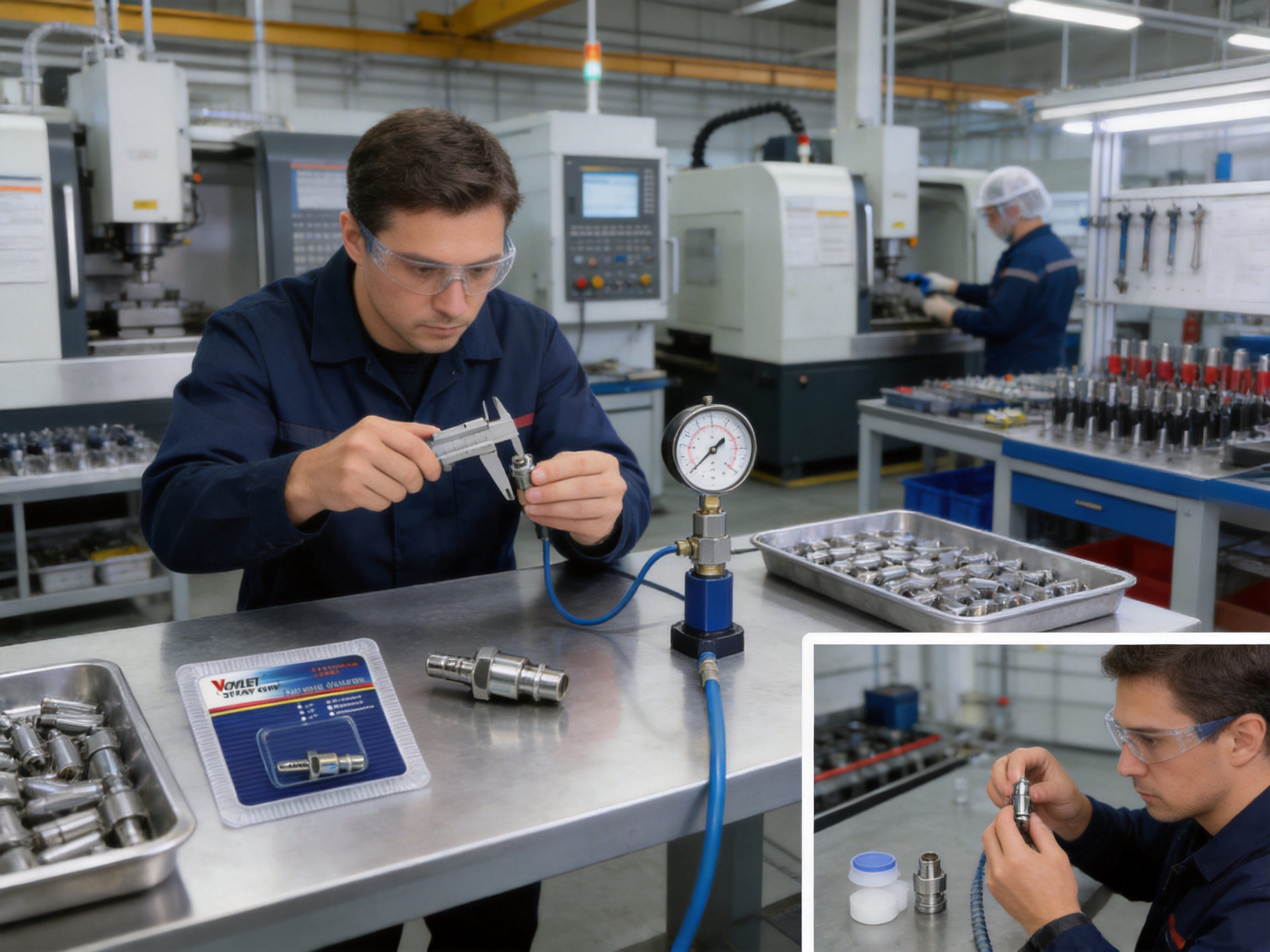
Manufacturing quality for a quick coupler plug depends on dimensional accuracy, material consistency, surface condition, thread quality where applicable, and final functional performance. The company states that its quality system covers raw-material control, incoming inspection, in-process quality control, functional testing, and final inspection of finished products.
This layered approach is important. Inspection only at the end of production may identify defective parts, but it does not prevent process variation from occurring. Controls applied throughout production can help identify problems earlier and improve consistency from one batch to another.
Functional Testing
Functional testing is particularly important for pneumatic fittings. A product may appear visually acceptable while still having problems with engagement, air sealing, or release. Testing procedures should therefore evaluate how the finished product operates in a realistic connection arrangement.
The manufacturer reports the use of 100 percent functional testing within its quality-control approach. Buyers should confirm the specific inspection scope, test conditions, acceptance criteria, and documentation required for their application. These details may vary according to product model, market, order quantity, and customer specification.
Quality and Certification Experience
The company has stated that its products have passed certifications including CE and GS, and that its management systems have included ISO9001 quality certification, ISO14001 environmental certification, and OHSAS18001 occupational health and safety certification. Certification requirements differ according to product type and destination market, so buyers should request current documentation for the specific UPH20 configuration and intended application.
Certification experience can nevertheless be a useful indicator of manufacturing maturity. It suggests that the supplier is familiar with documented procedures, controlled production, audit expectations, and international product requirements. For importers and distributors, this can simplify supplier evaluation and product documentation work.
Comparison with Basic or Poorly Matched Alternatives
Not all quick coupler plugs deliver the same practical result. Some low-cost alternatives may be made with inconsistent dimensions, inadequate surface finishing, weak materials, or limited quality control. Others may be sold under a general description without clearly identifying the connection standard. Such issues can create difficulties during installation and use.
| Evaluation Area | UPH20 US Standard Plug | Basic or Unverified Alternative |
|---|---|---|
| Connection standard | Designed for a US Standard system when matched with the correct coupler | May have unclear or incorrectly identified compatibility |
| Tool change convenience | Supports quick connection and disconnection | May require adapters or repeated threaded connections |
| Production support | Backed by an established pneumatic-equipment manufacturer | Supplier capability may be difficult to verify |
| Quality approach | Production includes stated inspection and functional-control procedures | Testing scope may be limited or undocumented |
| Product range | Can be coordinated with spray guns, compressors, fittings, and air tools | May be available only as an isolated component |
| OEM and ODM support | Manufacturer states that drawing-, sample-, and requirement-based development is available | Customization may not be supported |
| International supply experience | Supplier serves multiple overseas markets | Export experience and documentation may be uncertain |
The comparison does not mean that every alternative is unsuitable. A different plug may be the correct choice for a different standard, pressure range, hose system, or industry. The critical point is that buyers should compare documented specifications and application suitability rather than selecting solely on price.
A fitting that is inexpensive at the time of purchase may create additional costs if it causes air leakage, tool downtime, frequent replacement, or compatibility problems. Conversely, a suitable plug from an established supplier can provide better value by supporting stable operation and easier maintenance.
Installation Recommendations
Before installing the UPH20, identify the female coupler profile and confirm that it is the correct US Standard mating type. Check the connection size, thread type, hose capacity, pressure requirements, and operating environment. If the product is being used in a regulated or safety-sensitive application, review the relevant technical documentation before commissioning.
Inspect the plug for visible damage, contamination, corrosion, or deformation. The connection surface should be clean. If the plug is being installed into a threaded hose end or fitting, use an appropriate sealing method for the thread type. Avoid applying sealant in a way that could enter the air passage and contaminate downstream equipment.
Connect the plug by inserting it fully into the female coupler. The locking mechanism should engage completely. Do not rely on partial insertion or an uncertain click. After connection, apply air gradually and check for leakage or unexpected movement. If the plug does not enter smoothly, stop and investigate compatibility instead of forcing it into the coupler.
Hoses should be supported so that excessive bending, twisting, or side loading is not transferred directly to the plug. A fitting may be correctly manufactured but still suffer premature wear if the hose constantly pulls against it. In mobile applications, use suitable hose routing, reels, or strain-relief arrangements.
Thread and Hose Compatibility
A US Standard quick coupler plug may still be available with different thread arrangements or connection sizes. The selected thread must match the hose end, adapter, or tool port. Thread standards that look similar may not seal correctly when mixed. Buyers should confirm whether a connection uses a particular national pipe thread or another thread specification before assembly.
Pressure and Temperature
Users should operate the plug within the pressure and temperature limits stated in the applicable product documentation. The practical system limit is determined by the lowest-rated component in the assembly. A compressor may produce more pressure than a hose, coupler, regulator, or tool is designed to handle.
Temperature can also affect seals, lubricants, and materials. Applications involving heated air, outdoor exposure, aggressive chemicals, or unusual fluids require additional technical evaluation. Standard pneumatic fittings are generally intended for compressed air, not for every gas or liquid.
Maintenance and Service Practices
Regular maintenance helps preserve the performance of a quick coupler plug. Keep the plug clean and protect it from unnecessary impact. When disconnected, use suitable protective caps or store the hose end where it will not collect dust, metal particles, paint residue, or moisture.
Inspect the plug and mating coupler at regular intervals. Look for worn locking surfaces, deformation, corrosion, damaged seals, difficult connection, accidental release, or audible leakage. Any component showing serious wear should be replaced. Continuing to use a damaged fitting can place additional stress on the hose and connected tool.
Compressed-air systems should be drained and depressurized before maintenance. Never disconnect a pressurized connection unless the coupler and procedure are specifically designed for that action. Sudden hose movement can cause injury, and escaping compressed air can propel particles into the work area.
Moisture management is also important. Water in compressed air can contribute to corrosion and may affect painting or pneumatic-tool performance. Drain compressor receivers as required, maintain air-line filters, and use suitable separators or dryers for applications that demand clean and dry air.
Cleaning
Use a clean cloth and an appropriate maintenance method to remove surface contamination. Avoid aggressive chemicals unless they are confirmed to be compatible with the fitting materials and seals. Do not use sharp objects to clean sealing surfaces, because scratches may create leakage paths.
Lubrication
Lubrication requirements depend on the coupler design and the complete pneumatic system. Some air tools require lubricated air, while spray-painting systems may require oil-free air to prevent coating contamination. Always follow the requirements of the connected equipment. Do not add oil automatically to a line used for finishing applications without evaluating the effect on paint quality.
Why Supplier Capability Matters
Purchasing a pneumatic fitting from an established manufacturer provides more than access to a single part. It can provide technical communication, consistent product identification, related accessories, inspection information, and ongoing supply support. These factors are important for distributors and industrial users who need repeatable purchasing over time.
Ningbo Lis Industrial Co., Ltd. has developed a product portfolio that includes spray guns, mini oil-free compressors, air fittings, air pipeline accessories, paint tanks, air polishers, airless spray guns, electric spray guns, paint sprayers, and other air tools. This range gives buyers the possibility of coordinating the UPH20 with a broader pneumatic or paint-application system.
The company also reports a production capacity that can be increased by approximately 30 percent within two months. Actual capacity depends on product mix, materials, scheduling, and order requirements, but the stated flexibility may be valuable for customers with changing demand. Buyers should discuss forecast volumes, lead times, packaging, quality documentation, and production arrangements directly with the supplier.
International customers may also benefit from the supplier’s experience with export markets. Product selection should still be supported by current technical data and destination-market requirements. Importers should verify labeling, packaging, certificates, customs documentation, and any applicable national regulations before placing a commercial order.
Purchasing Checklist for Professional Buyers
When evaluating the UPH20, buyers should first define the application. Determine whether the plug will be used for spray painting, general air tools, automotive service, woodworking, maintenance, or another purpose. The application influences the required air cleanliness, operating pressure, hose size, connection frequency, and environmental resistance.
Confirm the following information with the supplier or technical representative:
1. The exact US Standard coupler profile and compatible mating part.
2. The available thread size and thread standard.
3. Recommended working pressure and any maximum pressure limitation.
4. Suitable hose sizes and installation methods.
5. Material information for the body, sealing components, and other functional parts.
6. Applicable temperature range and environmental restrictions.
7. Inspection and functional-testing procedures.
8. Packaging, labeling, and traceability arrangements.
9. Availability of samples for compatibility testing.
10. OEM or ODM options for private-label or customized programs.
11. Current certificates or declarations required for the target market.
12. Production lead time, minimum order quantity, and replacement-part support.
Samples are especially useful when replacing an existing fitting. A sample can be tested with the actual hose, female coupler, regulator, spray gun, or tool before a large order is approved. This helps identify profile, thread, sealing, and clearance issues that may not be obvious from a product photograph.
Use in Paint-Spraying Systems
Although the UPH20 is a general pneumatic fitting, its use with spray equipment deserves special consideration. Paint application is sensitive to air pressure stability, moisture, oil, contamination, and hose condition. A quick coupler plug should therefore be integrated into a clean and properly regulated air system.
The compressor should be selected according to the air consumption of the spray gun and any other equipment operating at the same time. A regulator should be used to set the intended pressure near the point of use, while a filter or water separator can help remove unwanted moisture and particles. The fitting itself cannot compensate for an undersized compressor or poorly maintained air line.
Quick tool changes are useful in a finishing department where different spray guns are assigned to primers, basecoats, clearcoats, stains, or specialty materials. Nevertheless, every gun and hose must be cleaned according to the coating manufacturer’s instructions. A fast connection system improves workflow but does not replace proper cleaning and contamination control.
Safety Considerations
Compressed air should always be treated as a stored-energy source. Operators should wear appropriate eye protection and follow workplace safety procedures. Never direct compressed air toward a person, skin, eyes, or clothing. Air can drive dust and debris at high velocity and can cause serious injury.
Before changing tools, close the air supply and release downstream pressure whenever possible. Verify that the connection is locked before operating the tool. Keep hoses away from sharp edges, hot surfaces, moving machinery, and vehicle traffic. Replace hoses and fittings that show damage rather than attempting temporary repairs that may fail under pressure.
When the fitting is used in a paint environment, additional precautions may include ventilation, respiratory protection, grounding, fire prevention, and control of flammable vapors. The fitting must be considered as one component within the complete safety design of the workplace.
OEM, ODM, and Distribution Opportunities
The UPH20 can be relevant to more than end users. Distributors of air tools, spray equipment, automotive accessories, and industrial fittings may add it to a broader catalog of US Standard pneumatic products. A consistent range can help distributors offer customers a complete solution rather than a single isolated fitting.
OEM customers may require product identification, packaging, labeling, color, or documentation adapted to their brand. The manufacturer states that it can produce according to customer drawings or samples. This may allow customers to develop a product program that fits existing hose assemblies or tool portfolios.
ODM customers may need assistance with a new fitting arrangement, a special application, or a coordinated set of pneumatic accessories. The manufacturer’s engineering and production background can support discussions about design objectives, material selection, manufacturing feasibility, testing, and production planning.
Before beginning a customized program, customers should establish a written specification. The specification should define dimensions, tolerances, connection standard, pressure requirements, materials, surface treatment, seals, markings, packaging, inspection criteria, and approval procedures. Clear documentation helps prevent misunderstandings between design, purchasing, quality, and production teams.
Environmental and Operational Responsibility
Efficient compressed-air use is an important part of responsible industrial operation. Air leaks force compressors to run longer, consume more electricity, and generate additional heat and noise. Maintaining quick couplers, plugs, hoses, and threaded joints can help reduce avoidable losses.
The UPH20 should be inspected as part of a wider leak-management program. Check connections during planned maintenance and listen for unusual hissing when equipment is idle. Ultrasonic leak-detection equipment may be useful in larger facilities. Replacing a worn fitting can be a simple step toward improving the efficiency of the overall air system.
Environmental responsibility also involves purchasing products with an appropriate service life and maintaining them correctly. Premature replacement creates additional material and disposal demands. Reliable components, correct installation, and proper maintenance can help extend operating life and reduce unnecessary waste.
Frequently Asked Questions
What is the UPH20?
The UPH20 is a pneumatic air compressor hose quick coupler plug intended for use in a US Standard connection system. It is designed to connect with a compatible female quick coupler in compressed-air applications.
Is the UPH20 suitable for every US Standard coupler?
Not necessarily. US Standard products may still differ in profile, size, thread, locking design, and manufacturer-specific configuration. Users should confirm the exact mating coupler before ordering or installation.
Can the plug be used with spray guns?
Yes, it can be used in spray-gun air systems when its profile, size, pressure rating, and air-cleanliness requirements are suitable. The complete system should include appropriate regulation and filtration for the coating application.
Can it be used with automotive air tools?
It may be used with automotive air tools when the tools and hose assembly use the compatible US Standard connection. Buyers should verify the tool inlet, working pressure, air consumption, and hose capacity.
Does a quick coupler plug eliminate air leakage?
No fitting can eliminate leakage under every condition. Leakage depends on compatibility, installation, seal condition, surface wear, pressure, hose movement, and maintenance. Correct matching and regular inspection help reduce leakage risk.
Can the UPH20 be used with liquids?
It is intended for pneumatic compressed-air applications. Use with liquids, chemicals, gases other than air, or unusual media should not be assumed. Such applications require confirmation from the supplier and a review of material compatibility and pressure requirements.
What should be checked before ordering?
Confirm the coupler profile, thread specification, connection size, hose compatibility, operating pressure, temperature, application, packaging, and certification requirements. A sample test is recommended when replacing an existing fitting.
How does it compare with a threaded connection?
A quick coupler plug is generally more convenient for repeated tool changes. A threaded connection may be suitable for a permanent or semi-permanent installation. The better choice depends on connection frequency, space, pressure, maintenance needs, and system design.
Can the manufacturer provide customized products?
The manufacturer states that it provides OEM services based on customer drawings or samples and ODM services based on customer requirements. Customized projects should be evaluated through a documented technical specification and sample-approval process.
What should be done if the plug is difficult to insert?
Stop and check the profile, cleanliness, alignment, damage, and coupler condition. Do not force an incompatible plug into the coupler. Depressurize the system before inspection and replace damaged components.
How should the fitting be maintained?
Keep it clean, prevent impact and contamination, inspect for wear or leakage, protect disconnected ends, and follow the maintenance requirements of the complete pneumatic system. Depressurize the line before service.
Where is the product manufactured?
The product is supplied by Ningbo Lis Industrial Co., Ltd., located in Ningbo, China. The company manufactures air spray guns, compressors, pneumatic tools, fittings, and related spraying products for international markets.
Conclusion
The UPH20 pneumatic fittings air compressor hose quick coupler plug provides a practical connection solution for US Standard compressed-air systems. Its main benefits are fast tool changes, convenient hose management, easier maintenance, and support for modular pneumatic equipment. When selected and installed correctly, it can serve spray guns, automotive tools, woodworking equipment, maintenance accessories, and other air-powered applications.
Its value is strengthened by the manufacturing capabilities of Ningbo Lis Industrial Co., Ltd. The company brings decades of industry experience, a broad pneumatic-product portfolio, research and development resources, OEM and ODM support, international market experience, and a stated quality-control system covering incoming materials, production processes, functional testing, and final inspection.
The best performance comes from treating the quick coupler plug as part of a complete system. Buyers should confirm the US Standard profile, mating coupler, thread, pressure, hose, environment, and application before purchase. With suitable installation, clean compressed air, regular inspection, and responsible maintenance, the UPH20 can contribute to a more efficient, flexible, and dependable pneumatic workspace.
References
1. Ningbo Lis Industrial Co., Ltd. Product information for the UPH20 pneumatic fittings air compressor hose quick coupler plug.
2. Ningbo Lis Industrial Co., Ltd. Corporate information concerning air spray guns, pneumatic tools, compressors, fittings, research and development, and manufacturing capabilities.
3. ISO 9001. Quality management systems—Requirements.
4. ISO 14001. Environmental management systems—Requirements with guidance for use.
5. Occupational health and safety management system principles and controlled-workplace practices.
6. General compressed-air system maintenance and pneumatic-tool safety guidance.
7. General technical guidance for quick-connect pneumatic couplings, hose assemblies, regulators, filters, and air-tool systems.