 Search

 English
 中文简体
 Deutsch
 Español
Content
- 1 Product Overview
- 2 How the Gravity-Feed System Works
- 3 Advantages of the 4001G Design
- 4 Application Areas
- 5 Understanding the Nozzle Options
- 6 Spray Quality and Operating Technique
- 7 Manufacturing Strengths and Quality Control
- 8 Comparison with Common Alternative Spray Gun Types
- 9 Maintenance and Service Life
- 10 Compressed-Air System Requirements
- 11 Safety Considerations
- 12 Commercial and Supply-Chain Benefits
- 13 Recommended Selection and Setup Procedure
- 14 Frequently Asked Questions
- 14.1 What type of spray gun is the 4001G?
- 14.2 What nozzle sizes are available?
- 14.3 What is the operating air pressure?
- 14.4 How much material does the cup hold?
- 14.5 What air connection does the gun use?
- 14.6 Can the gun be used for automotive painting?
- 14.7 Can it be used for woodworking?
- 14.8 Is the 4001G suitable for continuous professional work?
- 14.9 How should the gun be cleaned?
- 14.10 Does the manufacturer support OEM and ODM projects?
- 14.11 What quality systems and certifications are reported?
- 14.12 What makes this spray gun different from a basic entry-level model?
- 15 Conclusion
- 16 References
- 17 Product: 4001G Gravity Feed Heavy Duty Spray Gun

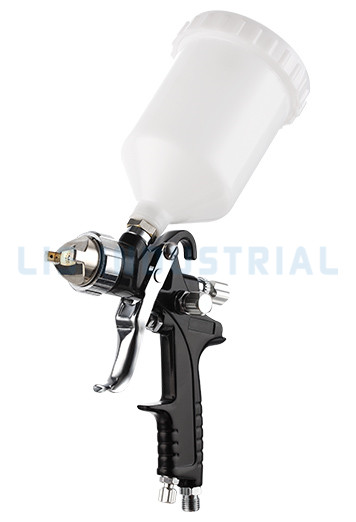
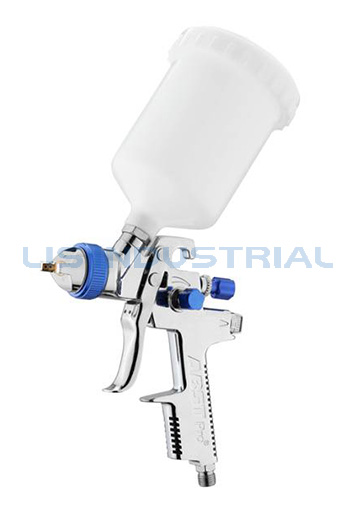
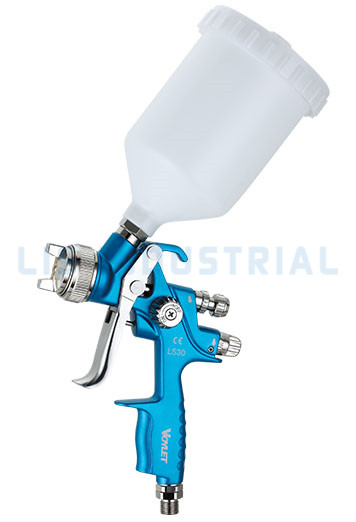
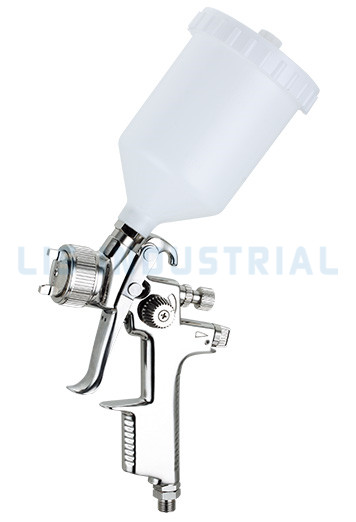
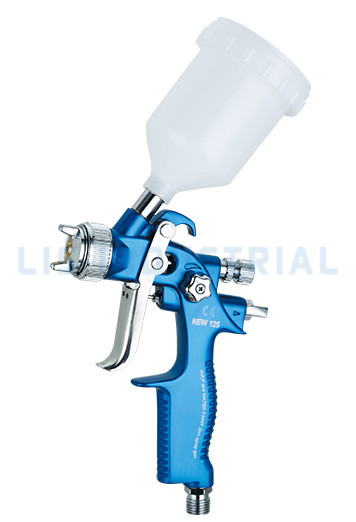
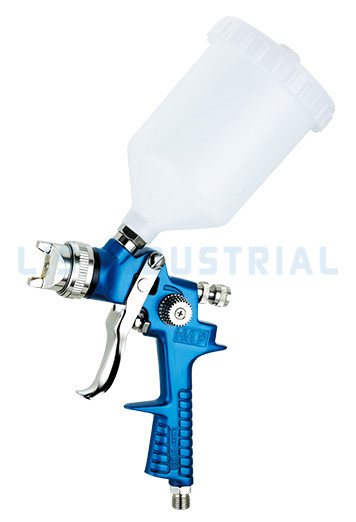
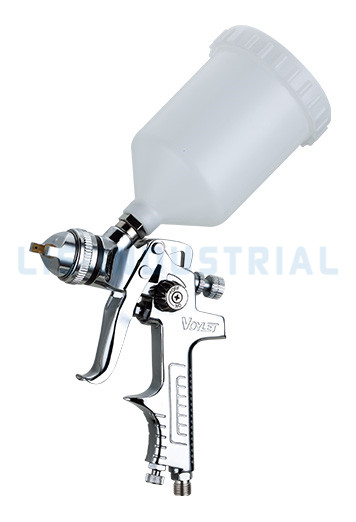
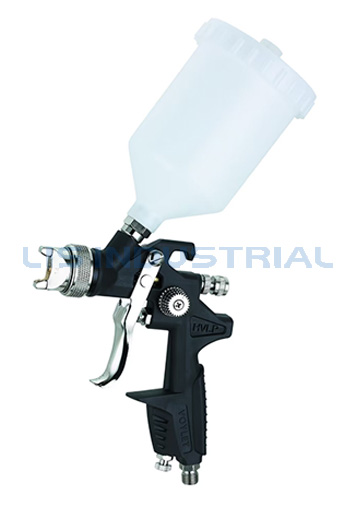
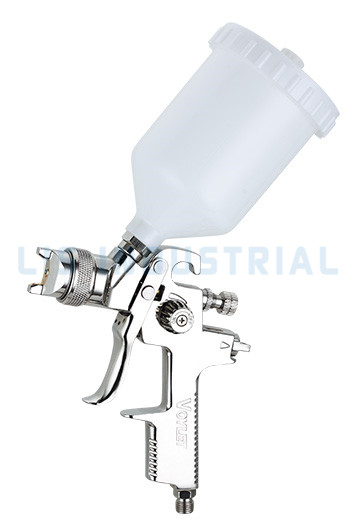
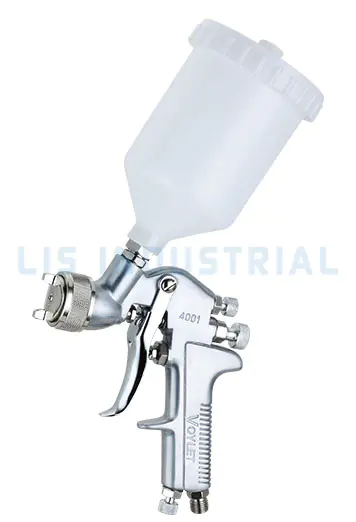
The 4001G Gravity Feed Heavy Duty Spray Gun is designed for professional users who require consistent atomization, dependable operation, and efficient material transfer in demanding painting environments. Combining a gravity-feed configuration with a 600 ml cup, a 50 PSI operating pressure, and interchangeable 1.4 mm, 1.7 mm, and 2.0 mm fluid nozzles, this spray gun offers a practical solution for automotive refinishing, industrial maintenance, woodworking, machinery coating, furniture production, and general-purpose finishing work.
Professional spraying is not simply a matter of applying paint to a surface. A successful coating process requires controlled material delivery, stable air performance, suitable atomization, comfortable handling, and repeatable results. An unsuitable spray gun may create excessive overspray, uneven film thickness, dry spray, runs, poor edge coverage, or unnecessary material waste. The 4001G is engineered to address these challenges through a straightforward, durable structure that supports efficient and controlled spraying.
Its heavy-duty construction makes it appropriate for users who need more than a light hobby tool. At the same time, its gravity-feed design reduces the air pressure and suction energy normally required by some conventional systems. This balance enables the operator to achieve a useful combination of transfer efficiency, coating control, and working convenience.
Product Overview
The 4001G uses a gravity-feed material delivery system. The coating material is held in the upper 600 ml cup and flows toward the fluid nozzle under gravity. Compressed air entering through the G1/4-inch air inlet then passes through the air cap, breaks the liquid into fine droplets, and distributes the coating over the workpiece.
This arrangement is particularly useful when the operator wants responsive trigger control and efficient material use. Because the material does not need to be lifted from a remote container by strong suction, the gun can work with comparatively moderate air pressure. The stated operating pressure is 50 PSI, providing an effective working point for many common coating materials when the air supply, viscosity, nozzle size, and adjustment settings are correctly matched.
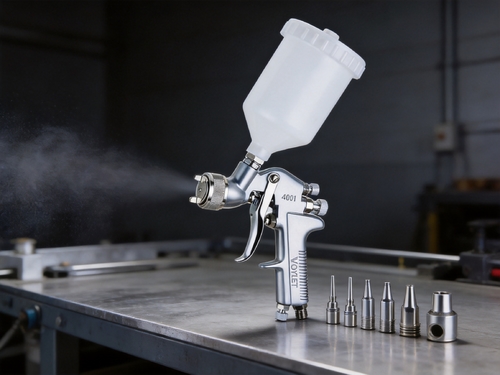
The gun is supplied with three fluid nozzle options: 1.4 mm, 1.7 mm, and 2.0 mm. These sizes allow the same basic platform to be adapted to different materials and application requirements. A smaller nozzle is generally appropriate for thinner coatings and finer finishing, while a larger nozzle can support thicker materials or higher material delivery.
The 4001G is suitable for users who value versatility without requiring a highly complex spray system. Its design provides access to the essential controls used in professional spray work, including fluid flow, fan pattern, and air control. With appropriate adjustment and preparation, the operator can create a narrow pattern for edges and detail areas or a wider pattern for larger panels and surfaces.
| Specification | 4001G Product Information |
|---|---|
| Product type | Gravity-feed heavy-duty spray gun |
| Fluid nozzle options | 1.4 mm, 1.7 mm, and 2.0 mm |
| Recommended air pressure | 50 PSI |
| Material cup capacity | 600 ml |
| Feed type | Gravity |
| Air inlet | G1/4 inch |
| Carton packing | 10 pieces per carton |
| Carton dimensions | 77 x 23 x 30 cm |
How the Gravity-Feed System Works
In a gravity-feed spray gun, the cup is positioned above the gun body. When the trigger is pulled, compressed air is directed through the air cap while the fluid needle retracts to open the material passage. Gravity assists the movement of coating material toward the nozzle. The air stream then atomizes and carries the material toward the surface.
This operating principle has several practical benefits. First, it can reduce the air volume and pressure required to move the coating compared with some suction-feed systems. Second, it allows the operator to use a smaller quantity of material in the cup while maintaining stable delivery. Third, it often gives the operator direct control over the spray response because the material path is short and the cup is located close to the nozzle.
The gravity arrangement can also improve usability when the gun is held at different angles. Nevertheless, the operator should avoid extreme tilting whenever possible, particularly when the cup is nearly empty. Maintaining a reasonably consistent gun position helps preserve an even material flow and a uniform spray pattern.
The 600 ml cup provides a useful compromise between capacity and handling. It is large enough for many repair, panel, furniture, and workshop applications, yet it is not so large that the gun becomes unnecessarily heavy when filled. The correct filling level depends on the job, but avoiding overfilling is important for both safety and balance.
Advantages of the 4001G Design
Efficient Material Transfer
Gravity-feed technology can improve material transfer efficiency by allowing the coating to reach the nozzle with less reliance on suction. This may help reduce unnecessary material consumption when the gun is correctly adjusted and operated at the correct distance from the surface. In practical terms, efficient delivery means more of the prepared coating can reach the target area instead of becoming excessive airborne overspray.
Compared with basic low-cost spray guns that may have inconsistent fluid passages or poorly matched air caps, the 4001G is intended to provide a more stable relationship between air and material flow. The result is a more predictable spray pattern and a better opportunity for the operator to obtain an even finish.
Flexible Nozzle Selection
The three nozzle options expand the range of materials and applications that can be handled. The 1.4 mm nozzle is commonly suited to thinner finishing products, clear coatings, stains, and certain primers when properly reduced. The 1.7 mm option provides a balanced choice for general-purpose painting and medium-viscosity materials. The 2.0 mm nozzle is useful when the coating is heavier or when a greater material flow is required.
Nozzle selection should always be based on the coating manufacturer’s instructions. The same material may behave differently depending on temperature, reduction ratio, air pressure, and surface condition. Even so, having multiple nozzle sizes available is a meaningful advantage over single-nozzle products that are limited to a narrow range of applications.
Professional-Size Material Cup
The 600 ml cup supports continuous work while remaining manageable for handheld operation. It can reduce the number of interruptions required during medium-sized jobs and helps the operator maintain a consistent rhythm across a panel or workpiece.
A cup of this size is also practical for color changes and small-batch work. The operator can prepare a useful quantity of material without committing to the larger containers associated with pressure tanks or remote-feed systems. For workshops that handle varied orders, this flexibility may simplify production planning and cleaning routines.
Standard G1/4-Inch Air Inlet
The G1/4-inch air inlet is a widely used connection size for air tools and spray equipment. Compatibility with common fittings can make installation more convenient and reduce the need for unusual adapters. It also allows the spray gun to be integrated into a wider compressed-air system that may include a regulator, filter, moisture separator, and air hose.
A stable air supply is essential for spray quality. The use of a standard inlet makes it easier to configure the gun with appropriate air-control equipment. Operators should ensure that the hose internal diameter, compressor capacity, couplings, and filters are sufficient to maintain airflow during operation.
Heavy-Duty Application Focus
The 4001G is positioned as a heavy-duty spray gun rather than a disposable or occasional-use tool. This means it is intended for repeated operation in workshops and production environments where durability and serviceability matter. A durable spray gun can reduce replacement frequency, support consistent work habits, and provide better long-term value than a product designed only for infrequent use.
Heavy-duty performance also depends on maintenance. Even a well-manufactured spray gun can lose performance if coating residue is allowed to harden in the air cap, nozzle, fluid passage, or needle area. The 4001G is therefore best used as part of a disciplined cleaning and inspection routine.
4001G Gravity Feed Heavy Duty Spray Gun
Application Areas
Automotive Refinishing
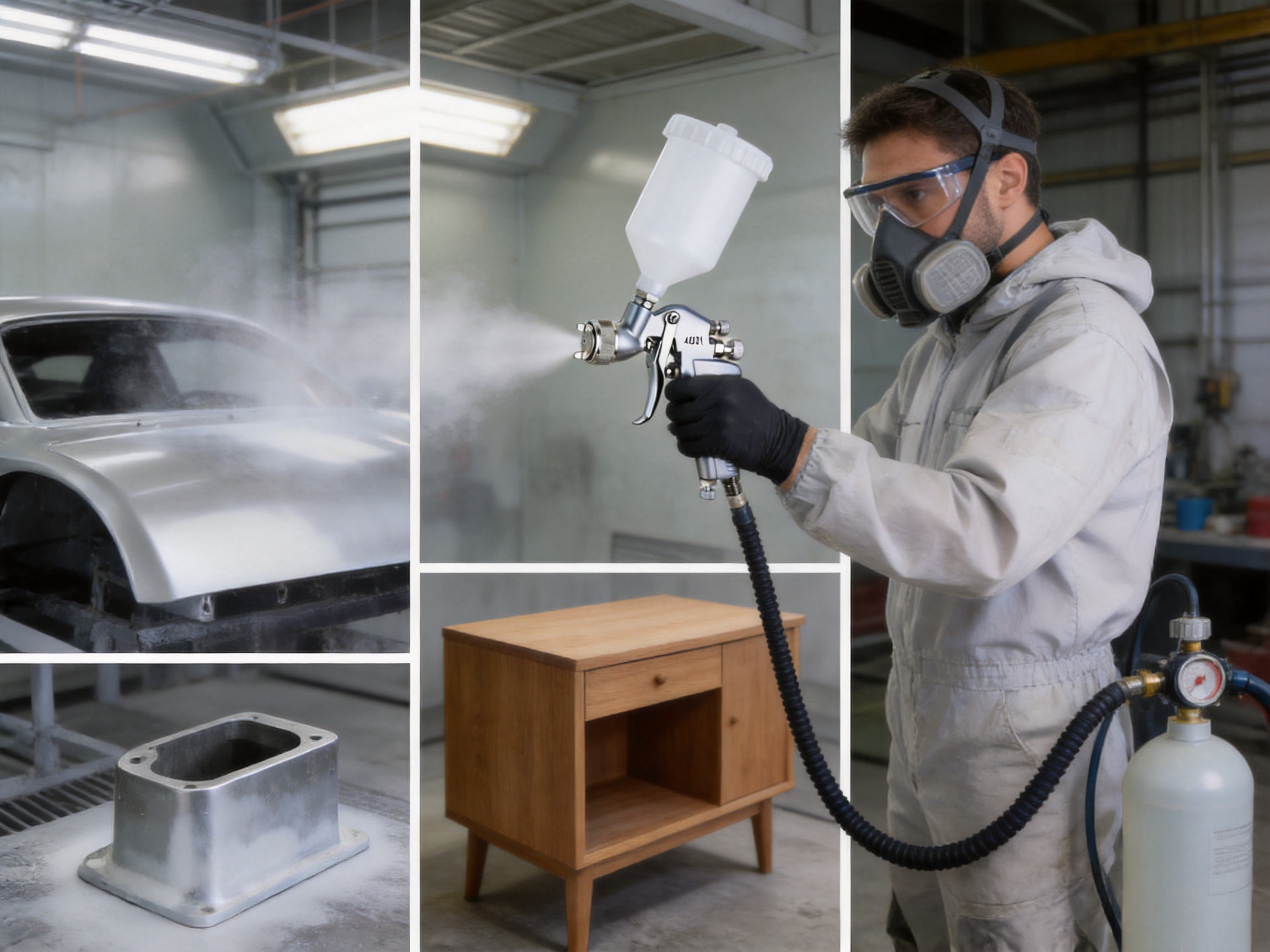
The 4001G can be applied to a variety of automotive refinishing tasks, including primer application, color coats, clear coats, component painting, and spot repair. The smaller nozzle options can support controlled finishing, while the larger option may be selected for thicker primers or materials requiring increased fluid delivery.
Automotive work demands careful control of overlap, gun distance, travel speed, and surface preparation. The operator should maintain a consistent distance from the panel and move the gun parallel to the surface rather than swinging it in an arc. This helps prevent uneven film thickness between the center and edges of the spray pattern.
Woodworking and Furniture
Woodworkers can use the gun for stains, lacquers, sealers, primers, topcoats, and other compatible finishes. Gravity-feed operation is especially useful for small and medium furniture components, cabinet doors, shelves, trim, and decorative pieces.
Wood surfaces often contain edges, profiles, pores, and changing grain directions. The adjustable spray pattern and interchangeable nozzles allow the operator to adapt the application technique to the shape of the workpiece. A fine, well-controlled spray can help reduce brush marks and provide a smoother appearance when the coating and environmental conditions are suitable.
Industrial Maintenance
Industrial workshops may use the 4001G for equipment frames, metal panels, machine components, agricultural implements, brackets, and general maintenance painting. The heavy-duty positioning of the tool makes it suitable for repeated work where a basic consumer product may not provide sufficient durability.
For industrial coatings, the operator must verify chemical compatibility before use. Some coatings contain solvents or additives that may affect seals and other internal components. Following the coating supplier’s safety and application instructions is essential.
General Workshop and Fabrication Work
Fabrication shops, repair centers, and maintenance departments often require a versatile spray gun that can be used for different materials and workpiece sizes. The 4001G can serve as a general-purpose tool for touch-up work, protective coatings, decorative finishes, and small production runs.
Its 600 ml cup is convenient for jobs that are too large for an aerosol can but do not justify a full pressure-pot system. This makes the spray gun suitable for many small and medium businesses seeking a flexible finishing solution.
Understanding the Nozzle Options
1.4 mm Nozzle
The 1.4 mm nozzle is generally selected when the operator requires finer atomization and controlled material delivery. It may be appropriate for thin finishing materials, clear coats, stains, and certain reduced primers. Because the fluid opening is smaller, the coating usually needs to be properly filtered and prepared to prevent blockage.
A 1.4 mm nozzle is not automatically the best choice for every fine finish. If the material is too viscous, the operator may compensate by increasing pressure or opening the fluid adjustment excessively. This can produce overspray and poor transfer efficiency. Correct viscosity and steady technique are more important than nozzle size alone.
1.7 mm Nozzle
The 1.7 mm nozzle provides a useful middle range for many common spraying applications. It can support medium-viscosity primers, general-purpose paints, sealers, and some topcoats when these products are prepared according to their technical instructions.
For workshops seeking one frequently used setup, the 1.7 mm option may offer a practical balance between finishing control and material delivery. It is a versatile choice for mixed work where the operator needs to change between different coating types without moving immediately to the smallest or largest nozzle.
2.0 mm Nozzle
The 2.0 mm nozzle is intended for materials that require greater fluid passage. It may be selected for heavier primers, thicker protective coatings, or applications where faster coverage is more important than ultra-fine atomization.
When using a larger nozzle, the operator should monitor the coating thickness and avoid applying excessive material in a single pass. Several controlled coats are often better than one heavy coat because they can reduce sagging, runs, solvent entrapment, and uneven drying.
Spray Quality and Operating Technique
Spray quality results from the interaction of the gun, coating, compressed air, operator, and work environment. The gun provides the mechanical capability, but the final result depends on how these factors are adjusted together.
Before spraying, the coating should be mixed thoroughly and filtered through a suitable strainer. The operator should confirm that the material viscosity is appropriate for the selected nozzle. If thinning is required, only the recommended reducer or thinner should be used, and the mixture should be tested on a sample surface before production work begins.
The gun should normally be held perpendicular to the surface. A consistent distance is important because moving too close can cause excessive wetness and runs, while moving too far can create dry spray and rough texture. The operator should pull the trigger smoothly and begin moving before fully opening the fluid passage, depending on the desired technique.
Each pass should overlap the previous pass consistently. Uneven overlap can result in striping, visible bands, or variations in gloss. For larger surfaces, the operator should plan the sequence of passes so that wet edges are maintained without allowing one area to dry excessively before the adjacent area is coated.
Air pressure should be adjusted at the gun or as close to the gun as practical. The stated 50 PSI operating value provides a reference point, but actual settings may need to change according to material viscosity, nozzle size, air cap condition, hose length, and desired finish. Higher pressure is not always better. Excessive pressure can increase overspray and reduce transfer efficiency, while insufficient pressure can cause poor atomization and an uneven pattern.
Manufacturing Strengths and Quality Control
The 4001G is produced by Ningbo Lis Industrial Co., Ltd., a manufacturer focused on air painting spray guns, mini air compressors, and related air tools. The company has developed its operations over several decades and combines product research, engineering, manufacturing, testing, and international sales capabilities.
The manufacturer operates a large production facility with a workforce of more than 400 employees and a reported annual output exceeding 40 million US dollars. Its factory covers more than 400,000 square feet, providing space for production operations, assembly, quality control, product development, and logistics. This scale can support stable production planning and the ability to serve customers with different purchase quantities.
The company reports that production capacity can be increased by approximately 30 percent within two months. For distributors and professional customers, scalable capacity is an important commercial advantage because it can help support seasonal demand, new product launches, and larger project requirements.
Research and Development
Spray gun performance depends on details such as air-cap geometry, fluid passage design, needle movement, nozzle tolerances, sealing performance, and ergonomic balance. A manufacturer with dedicated research and development resources is better positioned to refine these factors over time.
Ningbo Lis Industrial has established a spraying machinery engineering technology center and has conducted technical cooperation with American spraying technology specialists. The company also provides OEM services based on customer drawings or samples and ODM services based on customer requirements. This capability indicates that the manufacturer can support both standardized products and customized development programs.
For buyers, engineering support can be valuable when a spray gun must be adapted to a specific market, coating material, packaging format, private-label program, or regional standard. Product development assistance may also shorten the path from concept to production.
Production Process
A reliable spray gun requires careful control throughout the production process. Typical manufacturing stages include material preparation, precision machining or forming of components, surface treatment, component cleaning, assembly, adjustment, functional testing, cosmetic inspection, packaging, and final quality verification.
Fluid and air passages must remain clear and accurately formed. Threads and connection points need to fit correctly. The nozzle and needle must work together to regulate material flow. Air-cap openings must be manufactured and maintained with sufficient consistency to support an even pattern. Seals must be installed correctly and selected for compatibility with intended applications.
During assembly, proper adjustment is essential. A gun with accurate components can still perform poorly if the needle, nozzle, air cap, or adjustment mechanisms are incorrectly installed. Stringent in-process control helps identify these issues before the product reaches final inspection.
Testing and Inspection
The manufacturer describes a quality system that includes raw-material inspection, incoming inspection, in-process quality control, 100 percent functional testing, and final quality inspection. This layered approach is important because quality cannot be assured by final inspection alone.
Raw-material and incoming inspections help verify that purchased components and materials meet requirements before entering production. In-process checks can identify dimensional, assembly, or surface problems while correction is still efficient. Functional testing helps confirm that each completed spray gun operates as intended, while final inspection verifies overall condition and packaging readiness.
For an air spray gun, functional testing may include checking air passage performance, trigger action, fluid delivery, pattern behavior, leakage, connection integrity, and adjustment response. Such tests provide a stronger assurance than visual inspection alone.
Management and Certifications
The manufacturer reports compliance with ISO9001 quality management requirements, ISO14001 environmental management requirements, and OHSAS18001 occupational health and safety requirements. It also reports CE and German GS product certifications for applicable products.
These management and product certification systems provide a structured framework for manufacturing control, workplace safety, environmental management, and product conformity. Certification does not replace correct product selection or proper operation, but it can offer additional confidence when buyers are evaluating a long-term supply partner.
Comparison with Common Alternative Spray Gun Types
Compared with Suction-Feed Guns
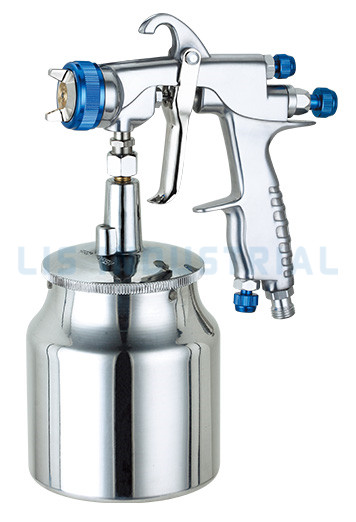
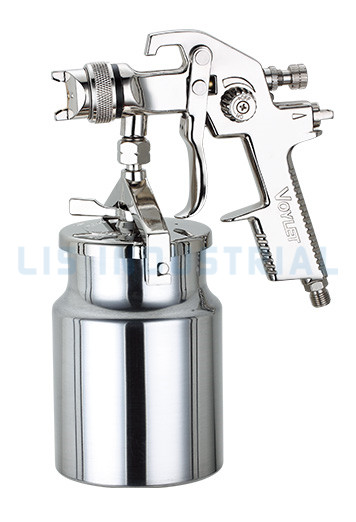
Suction-feed guns use a lower-mounted container and compressed air to create the pressure difference needed to draw material upward. They may be useful for certain large-volume jobs, but they can require more air energy and may leave more residual material in the container. A gravity-feed gun such as the 4001G usually offers a more direct material path and can operate effectively with a smaller quantity of coating.
The upper cup also allows the operator to see the remaining material more easily. This can simplify job planning and reduce unexpected interruptions. However, suction-feed guns may still be preferable for some large surfaces or applications requiring a larger remote container, so selection should be based on the work process rather than on one general rule.
Compared with Low-Cost Hobby Guns
Entry-level hobby guns may be attractive because of their low initial price, but they often provide limited nozzle choices, less robust construction, inconsistent adjustment, and reduced service life under repeated use. The 4001G is intended for more demanding operation and offers multiple nozzle sizes, a professional-style cup capacity, standard air connection, and a manufacturing system oriented toward industrial air tools.
For users who spray regularly, a durable and serviceable tool may deliver better value than repeatedly replacing inexpensive products. Consistent performance can also reduce the hidden costs associated with rework, wasted material, uneven finishes, and production delays.
Compared with High-Pressure Conventional Guns
Conventional spray guns can provide strong atomization and rapid coverage, but high air consumption and overspray may be disadvantages in some workshops. The 4001G’s gravity-feed layout helps support efficient material delivery, while its 50 PSI operating reference provides a practical starting point for controlled application.
The best result depends on the coating and process requirements. A conventional gun may be preferred for certain high-speed industrial tasks, while the 4001G may be more convenient for mixed workshop work, repair jobs, and applications where material control is important.
Compared with More Complex Spray Systems
Pressure pots, plural-component systems, and automated spray equipment can be highly productive in specialized production environments. However, they require greater investment, more setup, additional cleaning procedures, and more extensive operator training. A handheld gravity-feed gun is simpler to deploy and can be moved quickly between jobs.
The 4001G therefore occupies a useful position between basic consumer tools and complex fixed production systems. It can provide professional control without requiring a complete automated finishing line.
Maintenance and Service Life
Correct cleaning is one of the most important factors in preserving spray gun performance. After each use, the remaining coating should be removed from the cup, and the cup should be cleaned using the solvent or cleaning agent recommended for the coating system. The air cap and nozzle should be removed carefully when necessary and cleaned without damaging precision openings.
Metal tools should not be forced through air-cap holes or nozzle passages because even small changes in these openings can affect atomization and spray pattern. Soft brushes, appropriate cleaning needles, and approved cleaning equipment are safer choices. The gun should be reassembled correctly after cleaning, with components tightened securely but not excessively.
The fluid needle, packing area, trigger mechanism, and adjustment components should be inspected periodically. If the trigger becomes stiff, material flow becomes inconsistent, or the gun begins to leak, the cause should be identified before continued use. Worn seals, damaged nozzles, blocked air caps, and incorrect assembly are common sources of performance problems.
Lubrication should be limited to areas and products approved for the spray gun. Oil contamination in the air or material path can cause defects such as craters, fisheyes, or poor adhesion. A clean, filtered, and moisture-controlled air supply is essential, particularly when applying sensitive finishes.
At the end of a work period, the spray gun should be stored in a clean and dry location. The cup should not be left filled with coating, and solvent should not be stored inside the gun for extended periods unless the equipment instructions specifically permit it.
Compressed-Air System Requirements
The spray gun can perform only as well as the air system supplying it. The compressor should have sufficient capacity to maintain stable pressure during continuous spraying. Pressure fluctuations can change atomization and create inconsistent film thickness.
An air filter and moisture separator should be installed to reduce water, oil, and particulate contamination. Moisture in the air line can affect water-sensitive coatings and may lead to surface defects, corrosion, or unstable spraying. The air hose should be suitable for the required airflow, and excessive hose length or restrictive couplings should be avoided.
The regulator should be adjusted while air is flowing rather than while the gun is idle. This provides a more accurate indication of the pressure available during spraying. The operator should check all connections for leakage before beginning work.
Safety Considerations
Spray coatings can contain solvents, pigments, and other substances that require controlled handling. The operator should read the coating manufacturer’s safety data and use the specified personal protective equipment. Suitable respiratory protection, eye protection, gloves, protective clothing, and adequate ventilation may be required.
Flammable coatings should be used only in environments designed for spraying flammable materials. Ignition sources, sparks, open flames, and unsuitable electrical equipment must be controlled. Compressed air should never be directed at the body or used to clean clothing.
The work area should be kept clean and organized. Overspray can settle on nearby surfaces and create slip hazards or contamination. Waste coating and solvent should be handled according to local environmental and safety requirements.
Commercial and Supply-Chain Benefits
For distributors, importers, and professional purchasing departments, the 4001G offers more than a single spray gun specification. The product is supported by an established manufacturer with experience in international markets, OEM production, ODM development, quality systems, and global distribution.
The manufacturer reports that its products are sold in Europe, North America, the Middle East, South Africa, and East Asia. Experience across these markets can help support packaging requirements, documentation, product conformity, and customer service expectations in different regions.
Private-label buyers may benefit from OEM support based on drawings or samples. Customers seeking a differentiated product may use ODM support to develop a model or configuration suited to a specific market. These capabilities can be valuable for distributors that want to expand beyond standard catalog products.
Production scalability is another advantage. The ability to increase capacity by approximately 30 percent within two months can help reduce supply pressure during peak periods. It may also support larger orders without requiring a complete change in the supplier relationship.
Long-term cooperation depends on more than production volume. Consistent quality, responsive communication, reliable delivery, technical assistance, and after-sales support are equally important. A supplier that combines manufacturing scale with engineering and quality resources can provide a more stable foundation for business growth.
Recommended Selection and Setup Procedure
Begin by identifying the coating type, viscosity, desired finish, workpiece size, and expected production volume. Select the fluid nozzle according to the coating manufacturer’s recommendations rather than choosing only by personal preference.
Prepare the air system with a suitable compressor, regulator, filter, moisture separator, and hose. Inspect the spray gun for cleanliness and confirm that the nozzle, needle, air cap, cup, and air inlet are correctly assembled.
Mix and filter the coating. Fill the cup with a controlled quantity, avoiding overfilling. Set the initial air pressure near the stated 50 PSI reference point, then adjust according to the test pattern and coating instructions.
Test the gun on cardboard, scrap metal, wood, or another suitable sample surface. Check the spray pattern for even distribution, correct atomization, and suitable wetness. Adjust fluid flow, fan width, and air pressure in small increments.
During production, maintain a consistent gun distance and travel speed. Keep the gun perpendicular to the surface and overlap each pass evenly. Observe the surface continuously and correct the settings if the coating begins to run, dry, orange peel, or show uneven coverage.
After the job, empty and clean the gun promptly. Inspect the air cap and fluid nozzle before storing the equipment. A few minutes of proper maintenance can prevent much longer repairs and help preserve the gun’s original performance.
Frequently Asked Questions
What type of spray gun is the 4001G?
The 4001G is a gravity-feed heavy-duty spray gun. Its coating cup is mounted above the gun body, allowing gravity to assist material delivery to the fluid nozzle.
What nozzle sizes are available?
The listed fluid nozzle options are 1.4 mm, 1.7 mm, and 2.0 mm. The appropriate size depends on the coating viscosity, desired finish, and manufacturer’s application instructions.
What is the operating air pressure?
The stated air pressure is 50 PSI. Actual adjustment may vary according to the material, nozzle size, air supply, and required atomization. The operator should test the spray pattern before production use.
How much material does the cup hold?
The material cup has a capacity of 600 ml. The operator should avoid filling beyond the safe working level and should select a quantity that maintains good balance and handling comfort.
What air connection does the gun use?
The 4001G uses a G1/4-inch air inlet, a common connection size for many compressed-air tools and spray equipment systems.
Can the gun be used for automotive painting?
Yes. It can be used for suitable automotive primers, color coats, clear coats, and repair materials when the coating is compatible and correctly prepared. The user must follow the coating manufacturer’s technical and safety instructions.
Can it be used for woodworking?
Yes. The gun may be used for compatible stains, sealers, lacquers, primers, and topcoats in woodworking and furniture applications. Nozzle selection and viscosity adjustment are important for achieving the desired finish.
Is the 4001G suitable for continuous professional work?
The product is designed as a heavy-duty spray gun for workshop, industrial, automotive, woodworking, and general professional applications. Its service life will depend on coating compatibility, operating technique, cleaning, air quality, and maintenance.
How should the gun be cleaned?
Remove remaining coating immediately after use, clean the cup and fluid passages with an approved cleaning agent, and inspect the air cap and nozzle. Avoid damaging precision openings with hard or unsuitable tools. Reassemble the gun correctly after cleaning.
Does the manufacturer support OEM and ODM projects?
The manufacturer reports that it provides OEM services based on customer drawings or samples and ODM services according to customer requirements. Buyers should discuss specifications, packaging, branding, testing, and production quantities directly with the supplier.
What quality systems and certifications are reported?
The manufacturer reports ISO9001, ISO14001, and OHSAS18001 management-system certifications, as well as CE and German GS product certifications for applicable products. Buyers should request current documentation relevant to the exact product and destination market.
What makes this spray gun different from a basic entry-level model?
Its key advantages include a heavy-duty application focus, three nozzle options, a 600 ml gravity-feed cup, a standard G1/4-inch air inlet, professional manufacturing support, functional testing, and access to OEM and ODM services. These features can provide greater versatility and consistency than a basic single-nozzle hobby gun.
Conclusion
The 4001G Gravity Feed Heavy Duty Spray Gun is a versatile and practical solution for users who require controlled material delivery, adaptable nozzle selection, and reliable performance across a broad range of finishing applications. Its 1.4 mm, 1.7 mm, and 2.0 mm nozzle options allow it to work with different coating requirements, while the 600 ml cup provides a useful balance between capacity and handheld comfort.
The gravity-feed system supports efficient material transfer and responsive operation. The 50 PSI operating reference and G1/4-inch air inlet make the gun straightforward to integrate into a properly prepared compressed-air system. Compared with basic low-cost spray guns, its heavy-duty positioning, broader configuration options, and professional manufacturing support provide meaningful advantages for regular workshop and production use.
Its value is strengthened by the capabilities of the manufacturer, including large-scale production, dedicated research and development, OEM and ODM support, international market experience, structured quality management, in-process controls, 100 percent functional testing, and final inspection. These strengths can help distributors, professional users, and industrial customers obtain a dependable product backed by a broader supply and engineering system.
As with any spray equipment, final results depend on correct material preparation, nozzle selection, air regulation, technique, ventilation, and maintenance. When these factors are managed properly, the 4001G can provide an efficient and repeatable approach to painting, refinishing, coating, and surface protection.
References
1. Manufacturer product specification for the 4001G Gravity Feed Heavy Duty Spray Gun.
2. Manufacturer technical information concerning gravity-feed spray gun operation and nozzle selection.
3. ISO 9001 quality management system principles and manufacturing process control guidance.
4. ISO 14001 environmental management system principles for manufacturing organizations.
5. Occupational health and safety management guidance for compressed-air tools and coating operations.
6. General industrial spray-finishing practices for air pressure, atomization, overlap, and coating preparation.
7. Coating manufacturer technical data sheets and safety data sheets for material compatibility, thinning, application, and personal protective equipment.
8. General maintenance recommendations for professional pneumatic spray guns, air caps, fluid nozzles, needles, seals, and compressed-air filtration systems.