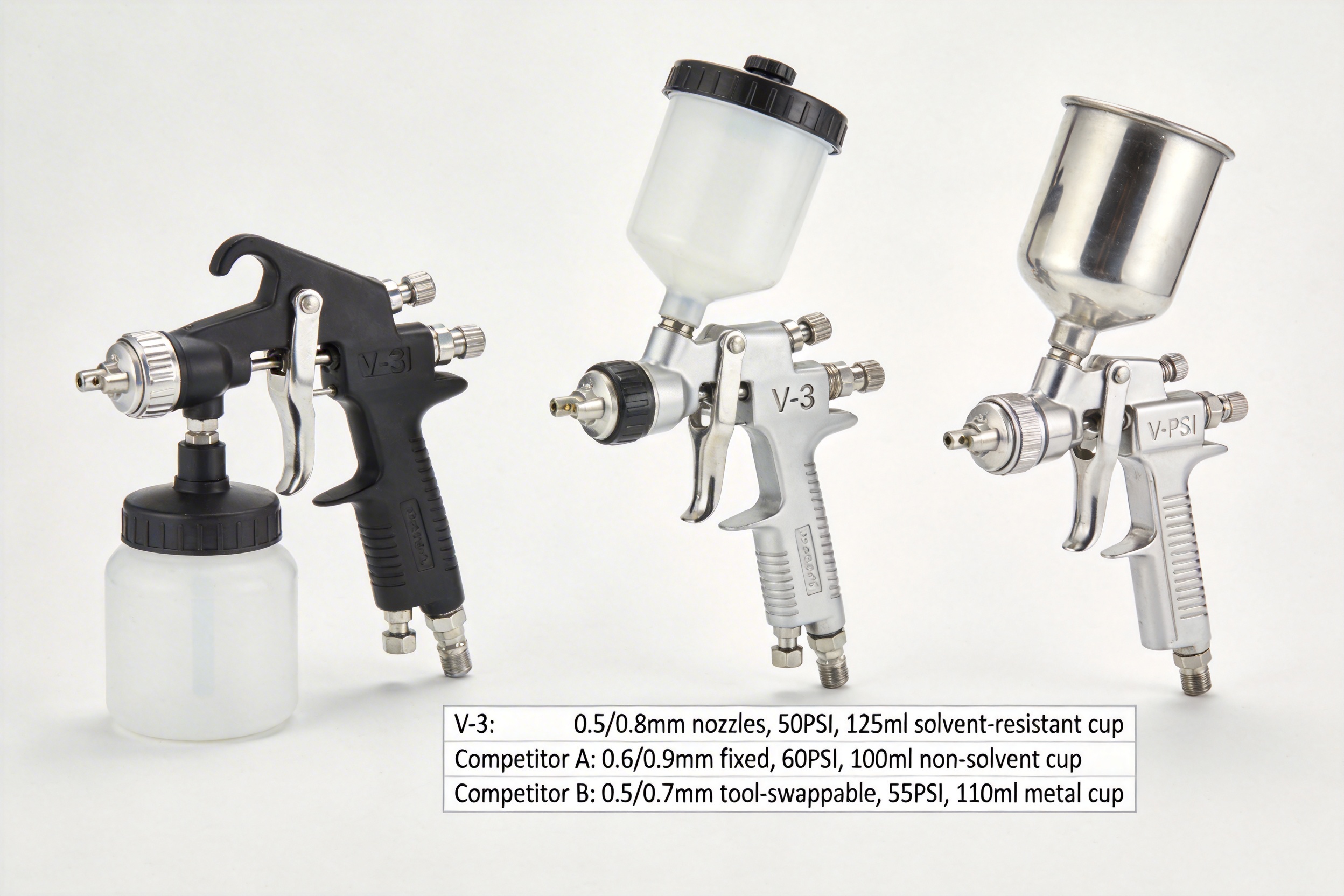
In the realm of precision painting, small-scale projects—from furniture touch-ups and model-building...
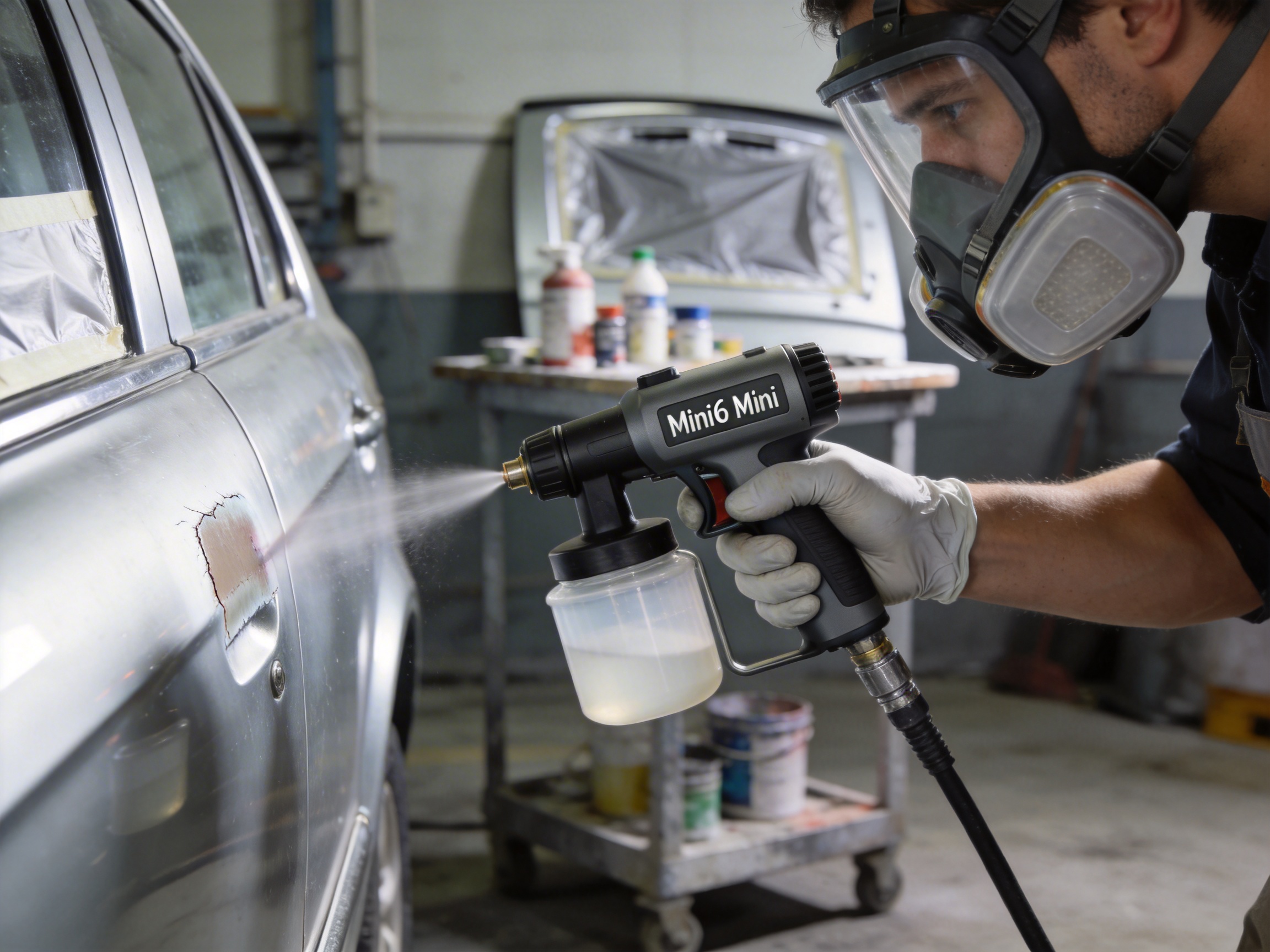
Small-area coating and repair tasks—from fixing a minor scratch on a car door to touching up a woode...
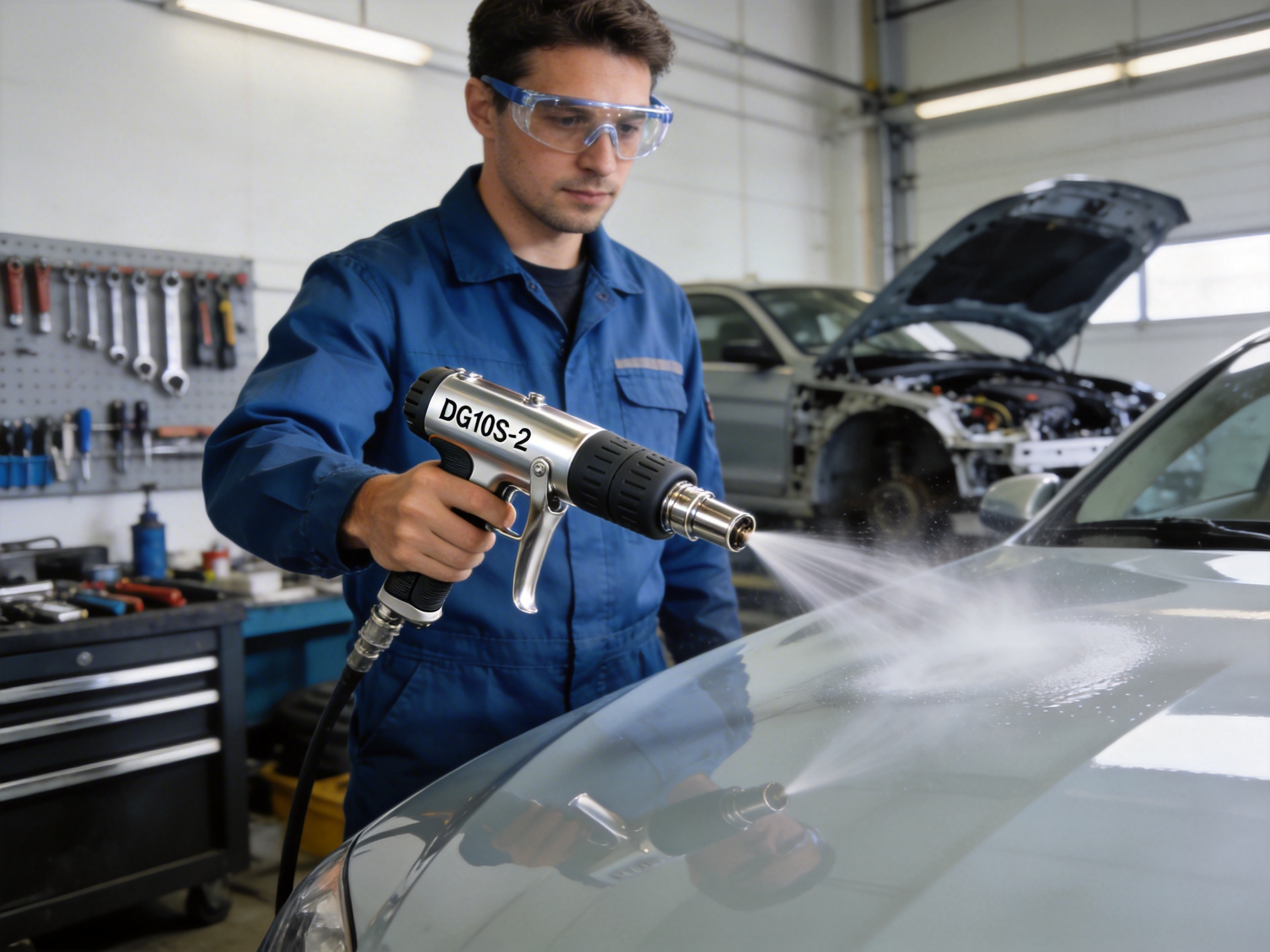
Air blowing guns are unsung heroes in countless industrial and commercial settings, serving as criti...
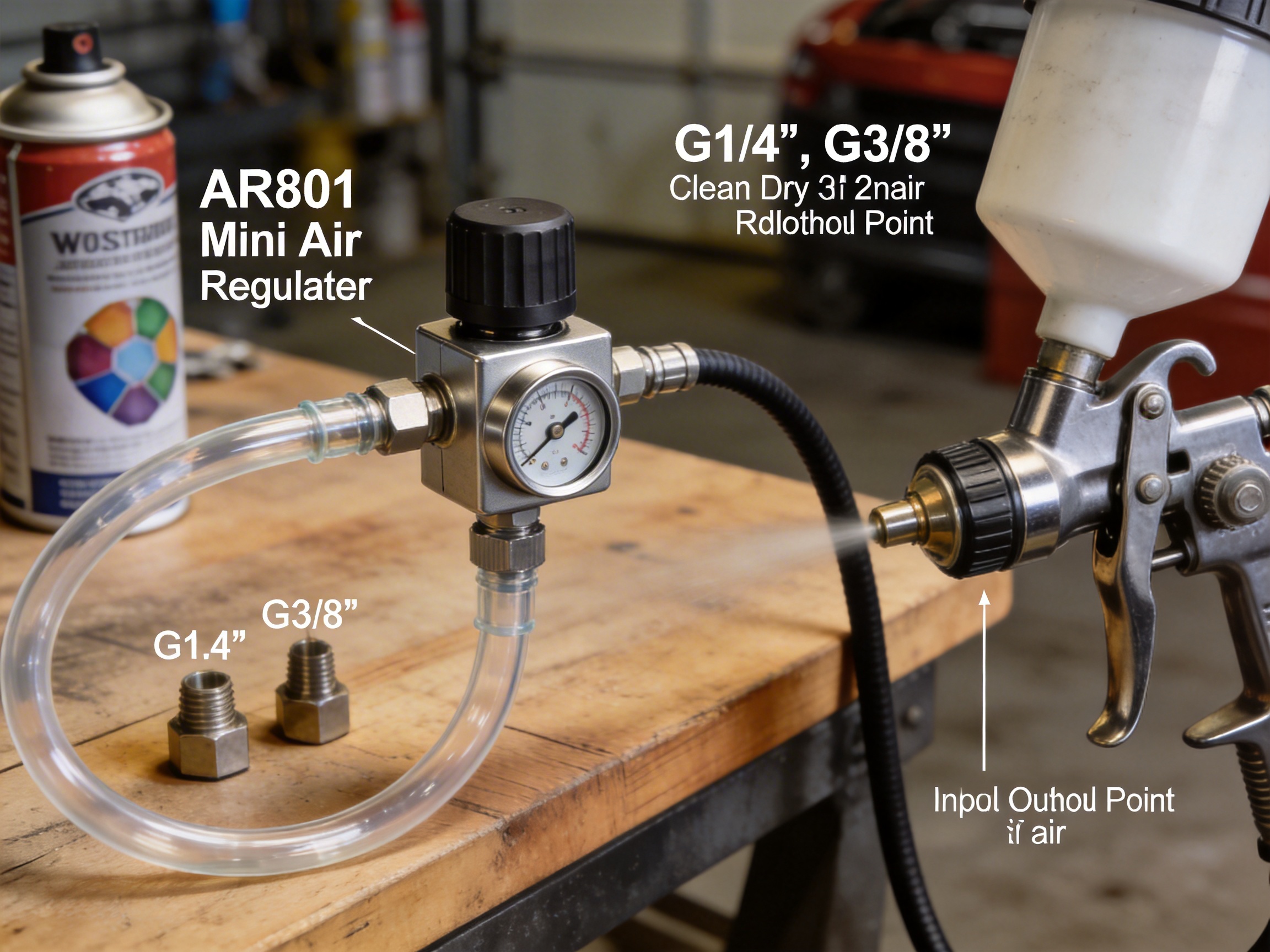
Pneumatic systems are the backbone of countless industrial and commercial operations, from automotiv...
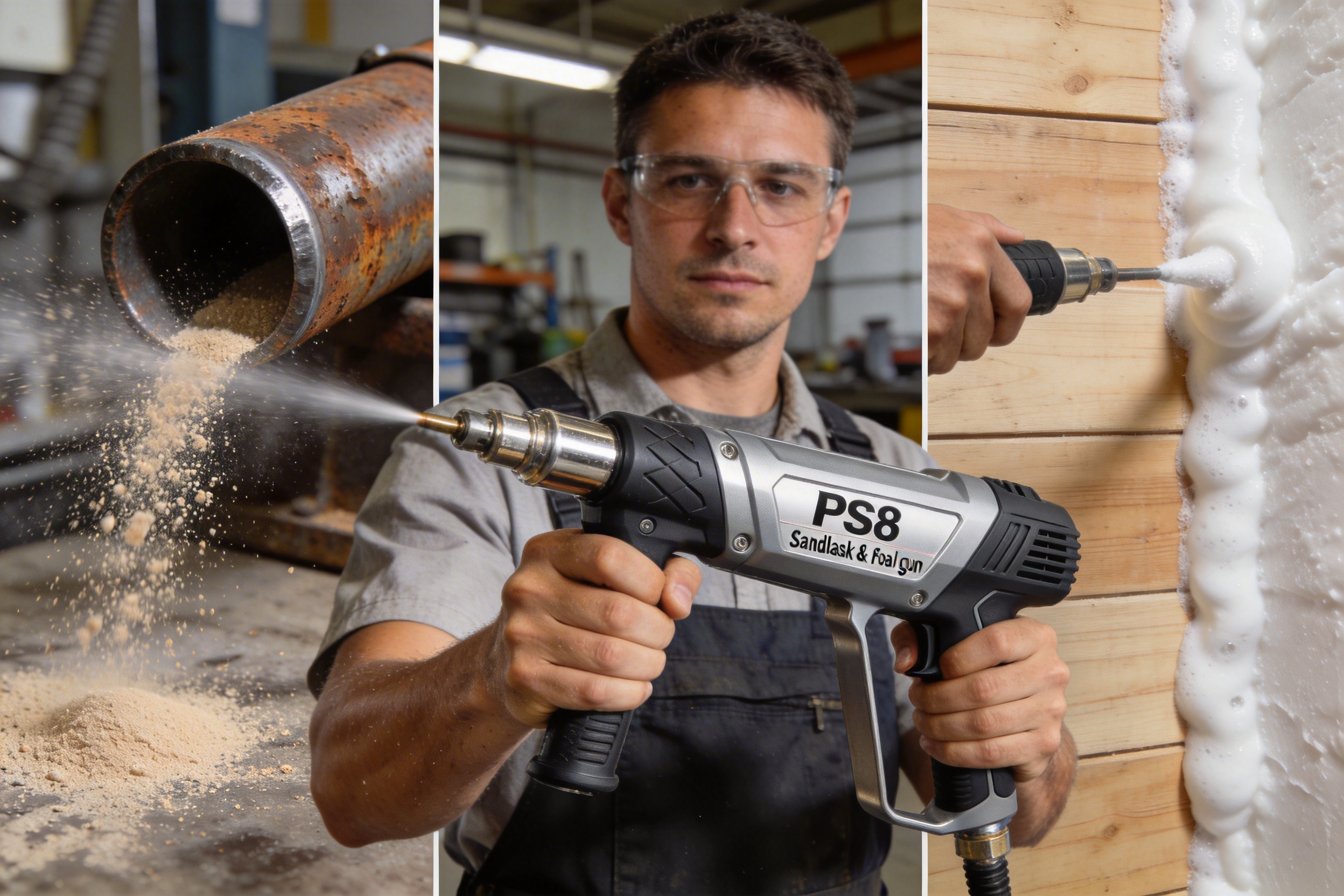
Surface preparation and material application are critical steps across industries—from automotive re...
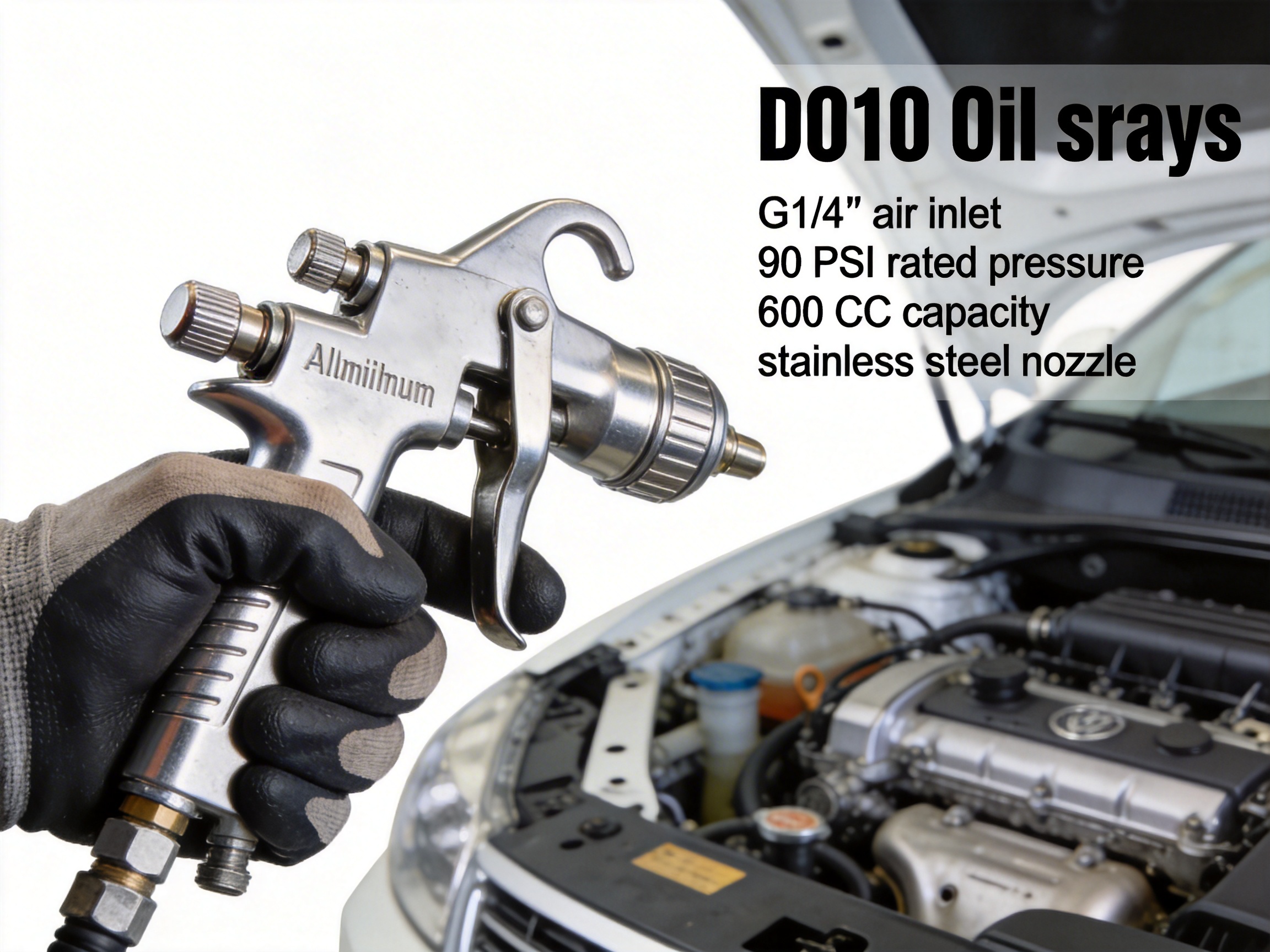
Engine cleaning is a critical maintenance task for any vehicle owner, whether a professional auto te...
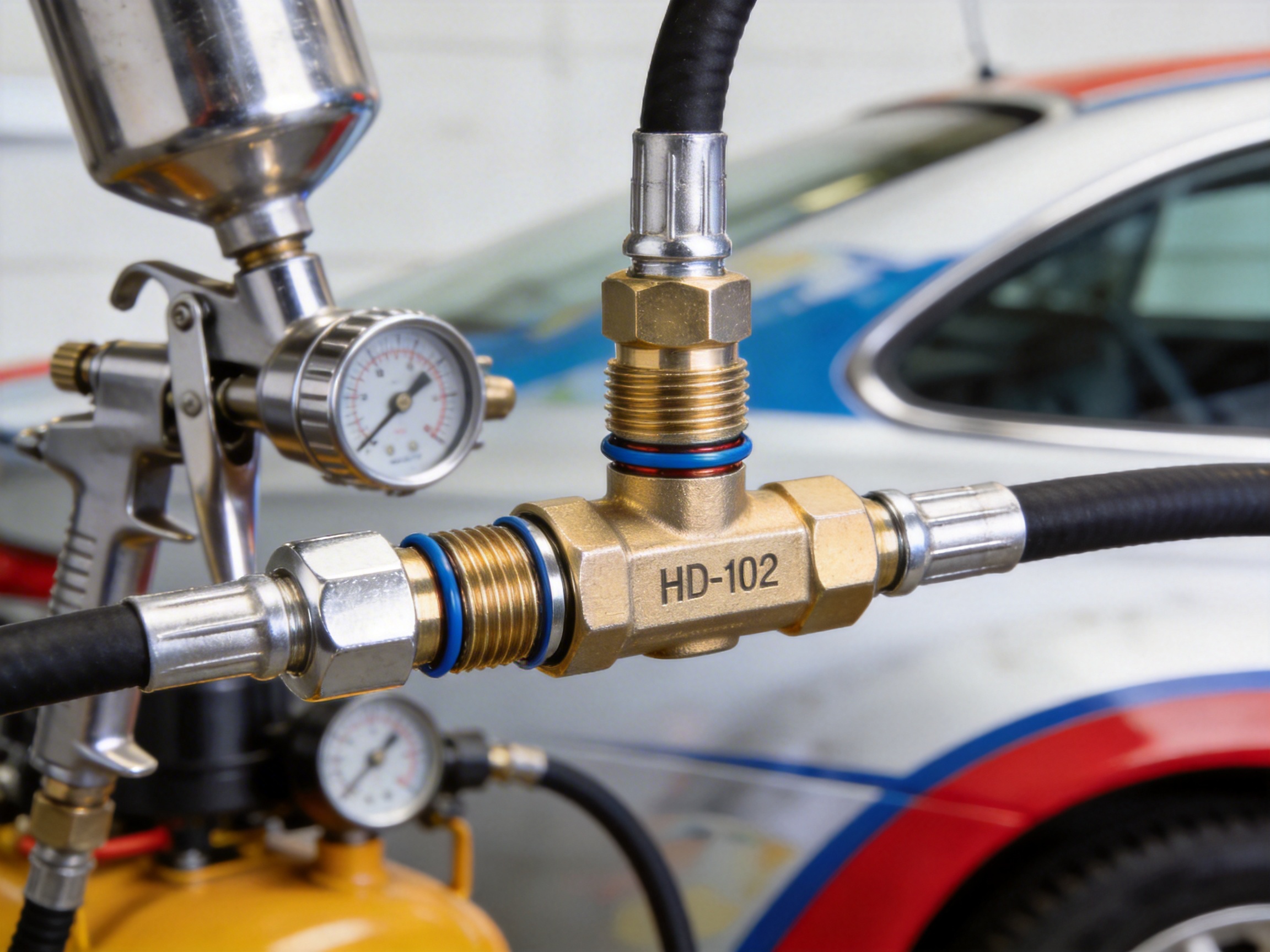
Air fittings may not be the most glamorous component in a spray gun system, but their impact on perf...
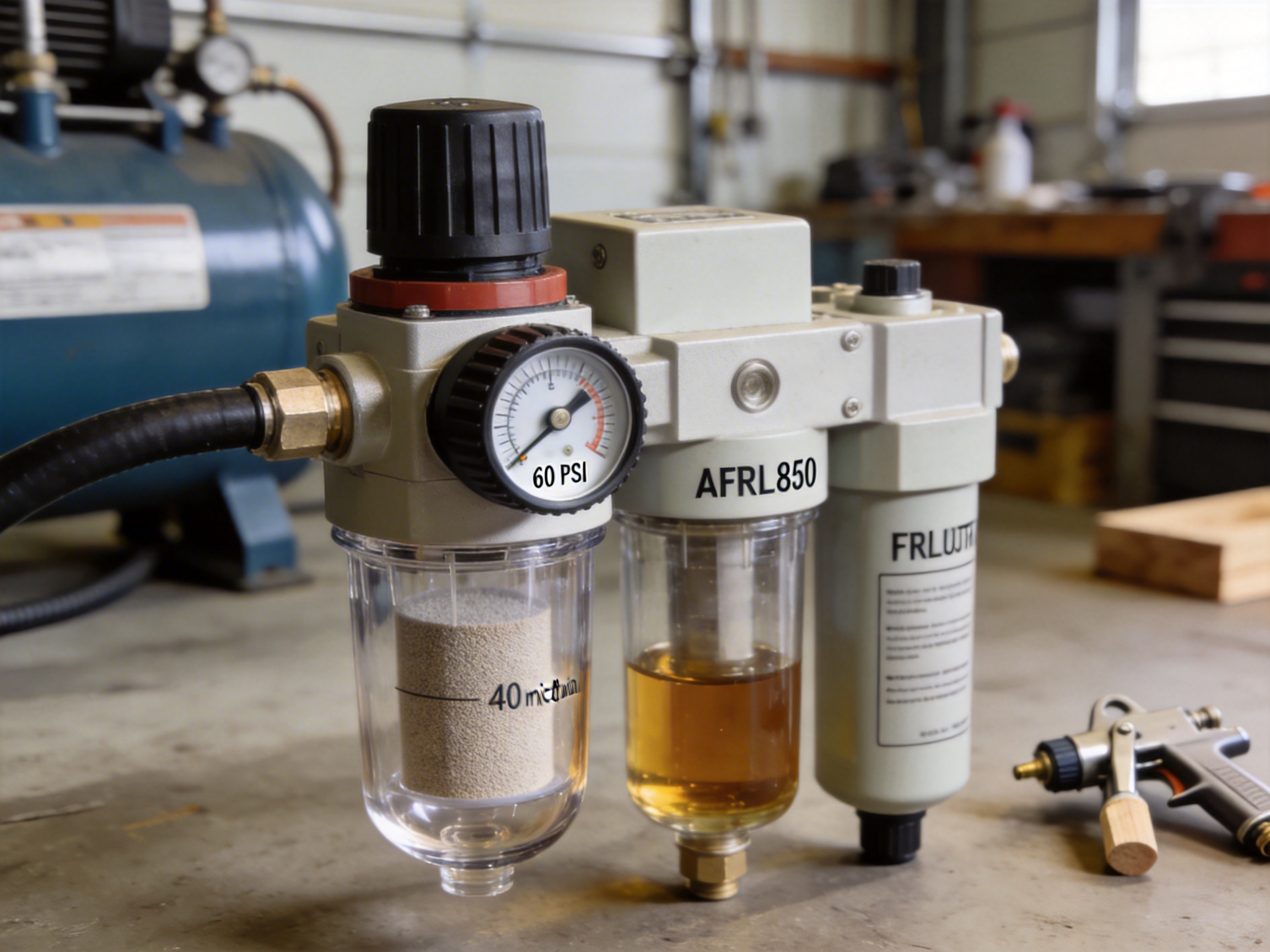
In the realm of pneumatic systems, the quality of air supply directly impacts the performance, longe...
A paint spray gun looks like one solid tool, but it is really five working groups stacked together: the air supply end, the air cap and nozzle set, the fluid needle and fluid passage, the trigger and adjustment controls, and the body with its seals and springs. Know which group does what, and most ...
The Short Answer: A Gravity Feed HVLP Spray Gun With a 1.3 to 1.4 mm Tip For most first-time users, the most practical choice is a gravity feed HVLP or LVLP spray gun with a 1.3 to 1.4 mm fluid tip, a 600 ml cup, and separate controls for fluid, fan pattern and air. This setup works with common co...
Two litres of enamel, a gravity-fed gun and a 1.3 mm fluid tip: pull the trigger and you either get a wet, glassy coat or a dry, sandy mist. The gun is rarely the reason. The mix is. Bring the paint to the right viscosity before it reaches the air cap and most classic spraying faults simply stop ha...
Fax: +86-574-88068788
Add: Hengxi Industrial Zone, Yinzhou, Borough, Ningbo, China, 315131

Copyright © 2021 Ningbo Lis Industrial Co., Ltd. Login Paint Spray Guns Suppliers

 Search

 English
 中文简体
 Deutsch
 Español
