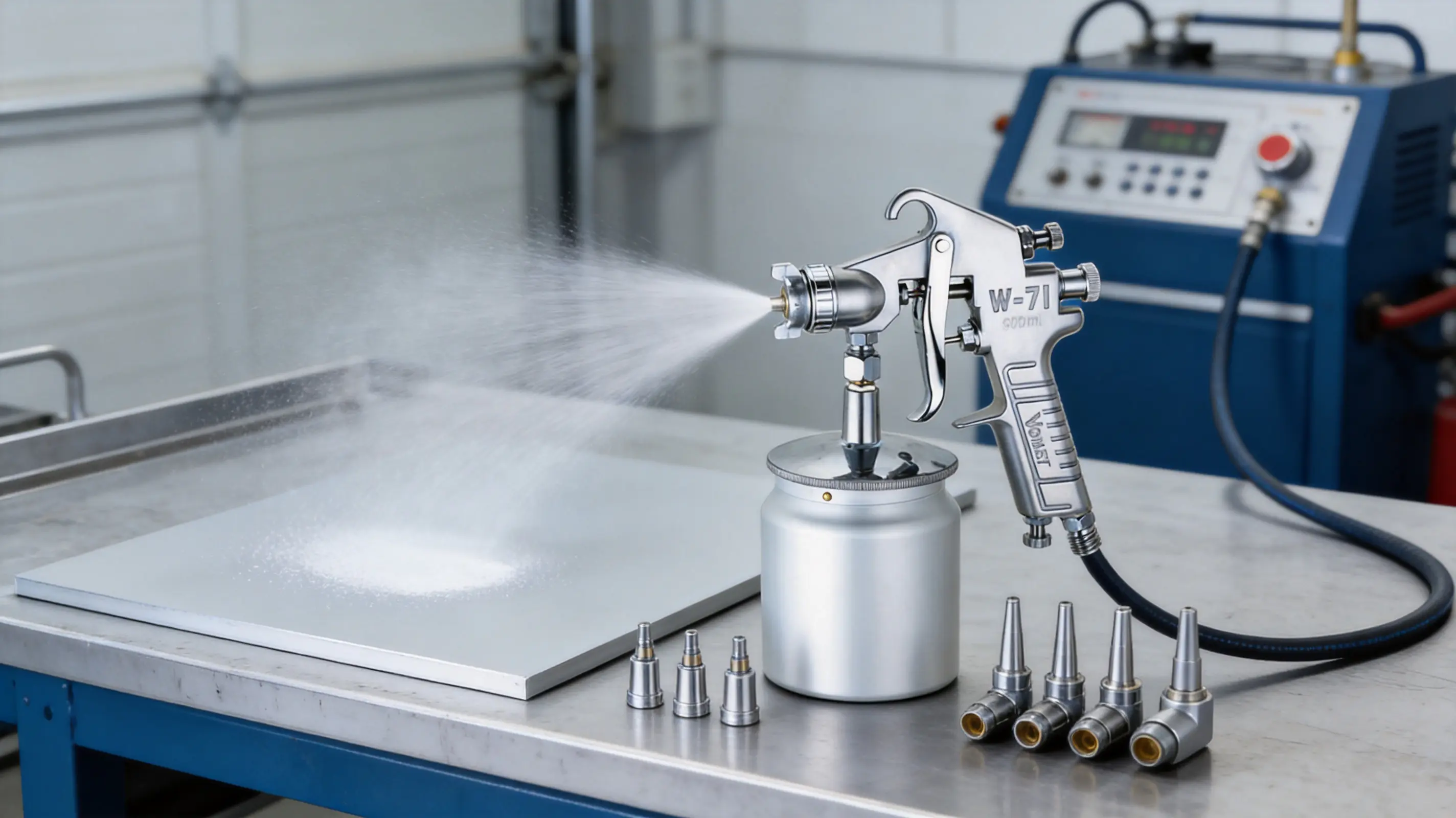
Introduction Professional finishing work depends on more than the quality of the coating itself. Th...
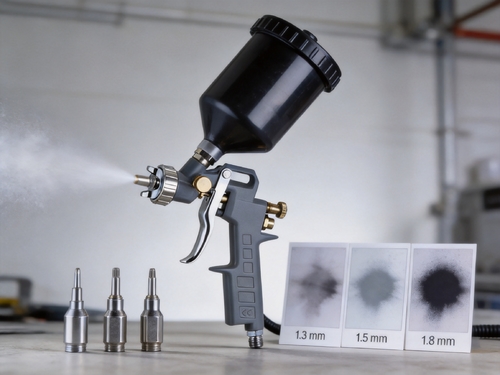
The S590G is an economical conventional spray gun designed for users who need dependable atomization...
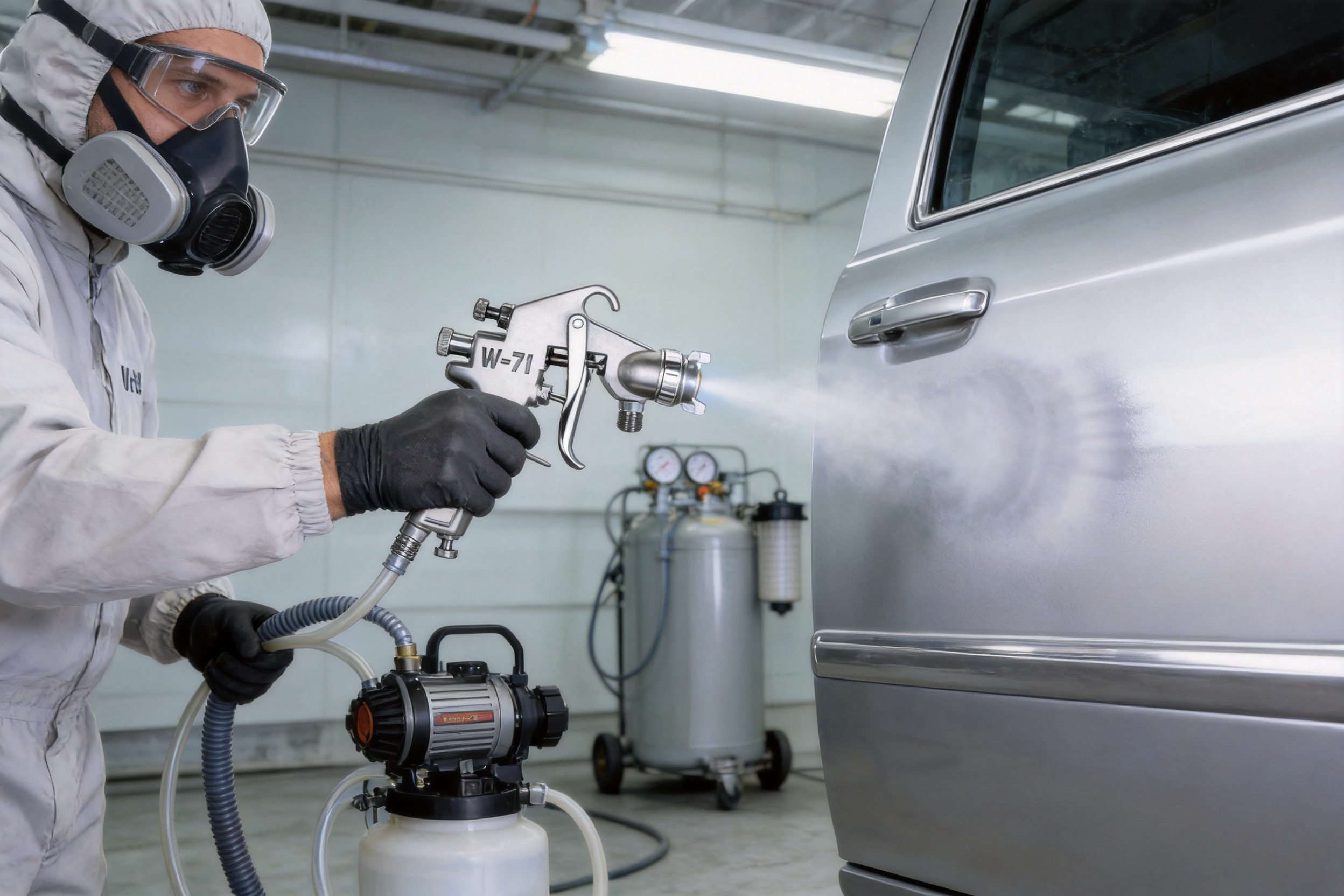
Professional finishing depends on more than the quality of the coating. The spray gun, air supply, f...
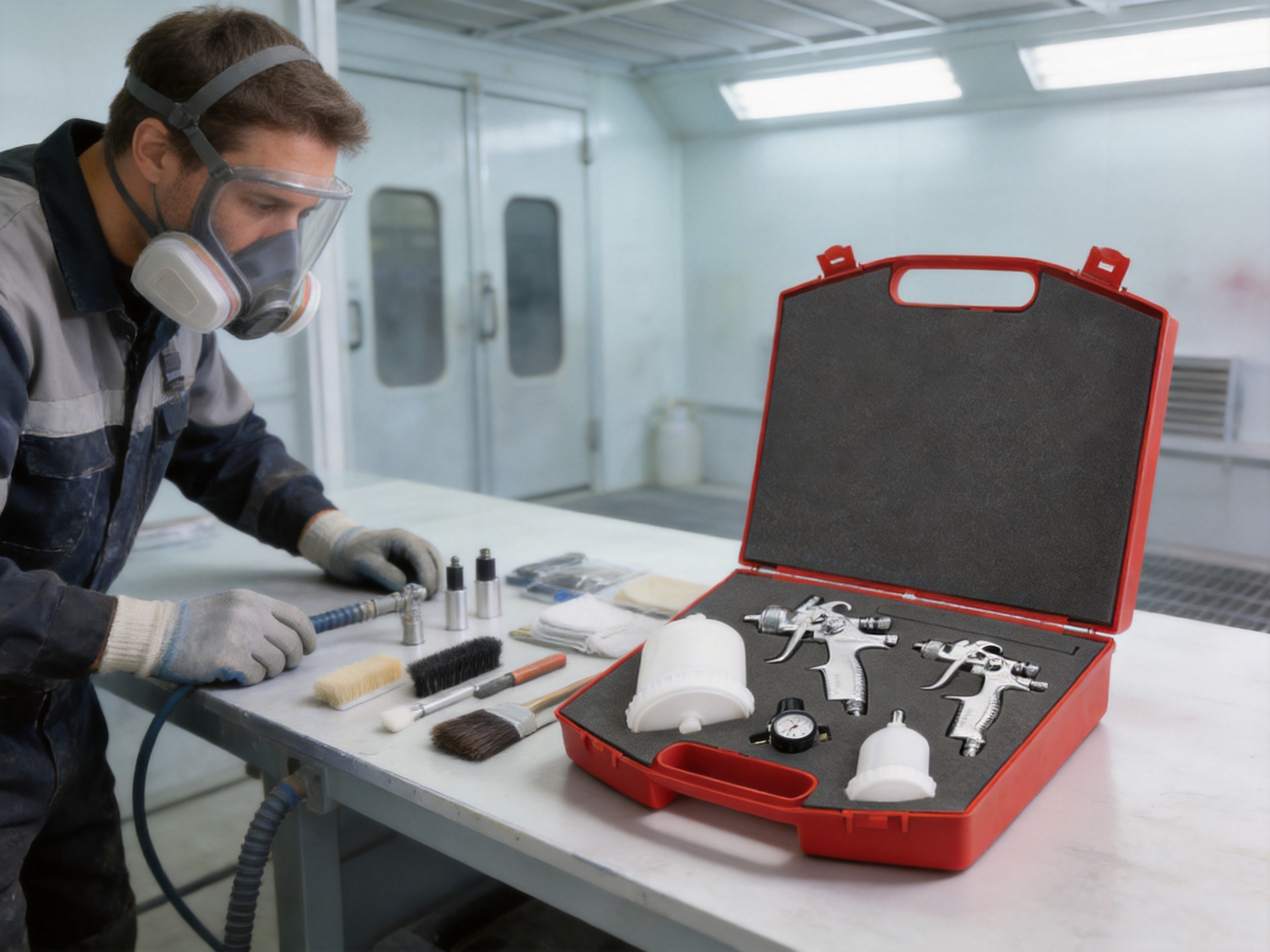
In professional painting, finishing quality depends on much more than the spray gun itself. Surface ...
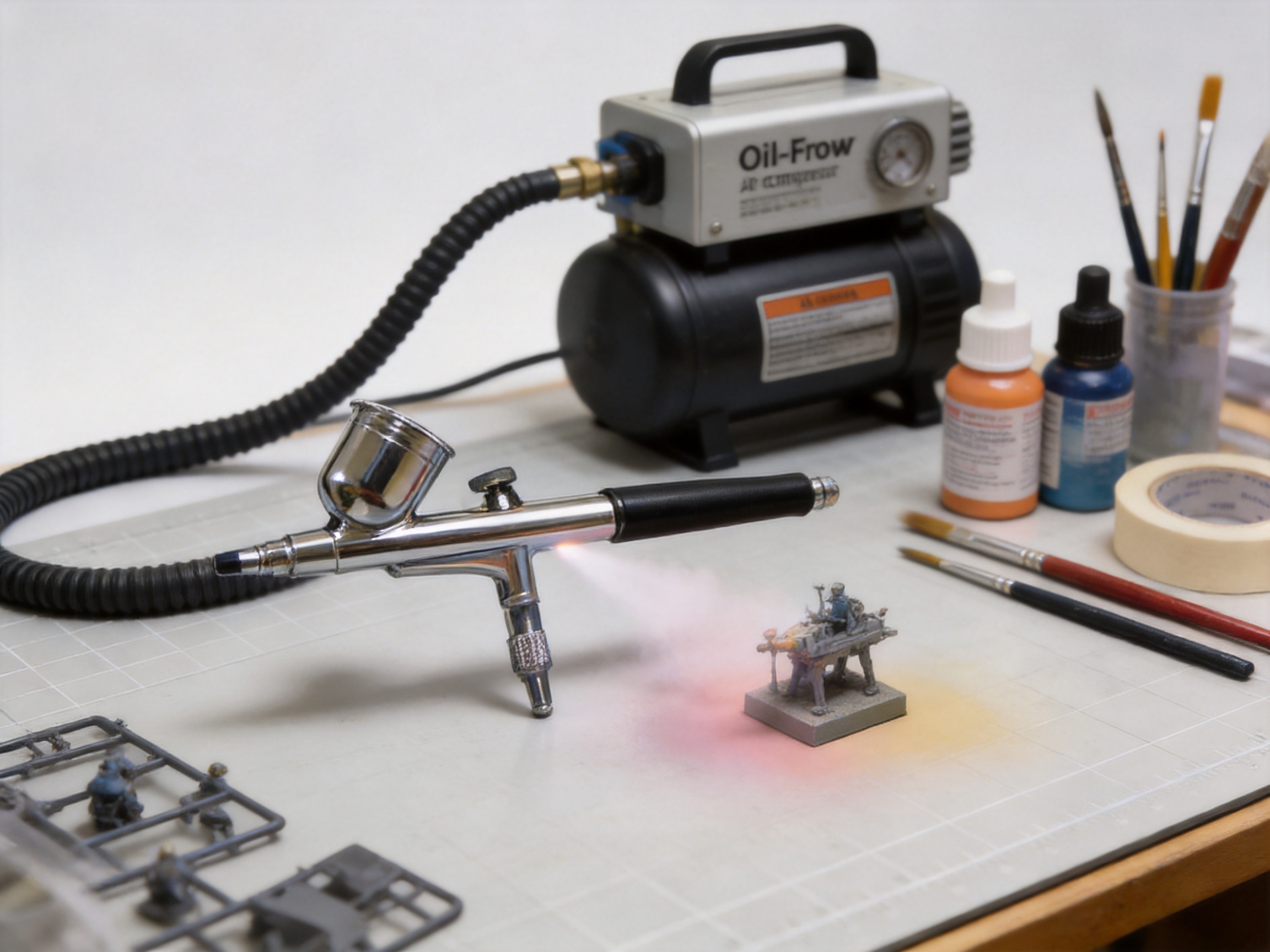
The ABS-130 portable airbrush spray gun is a compact and practical finishing tool designed for handc...
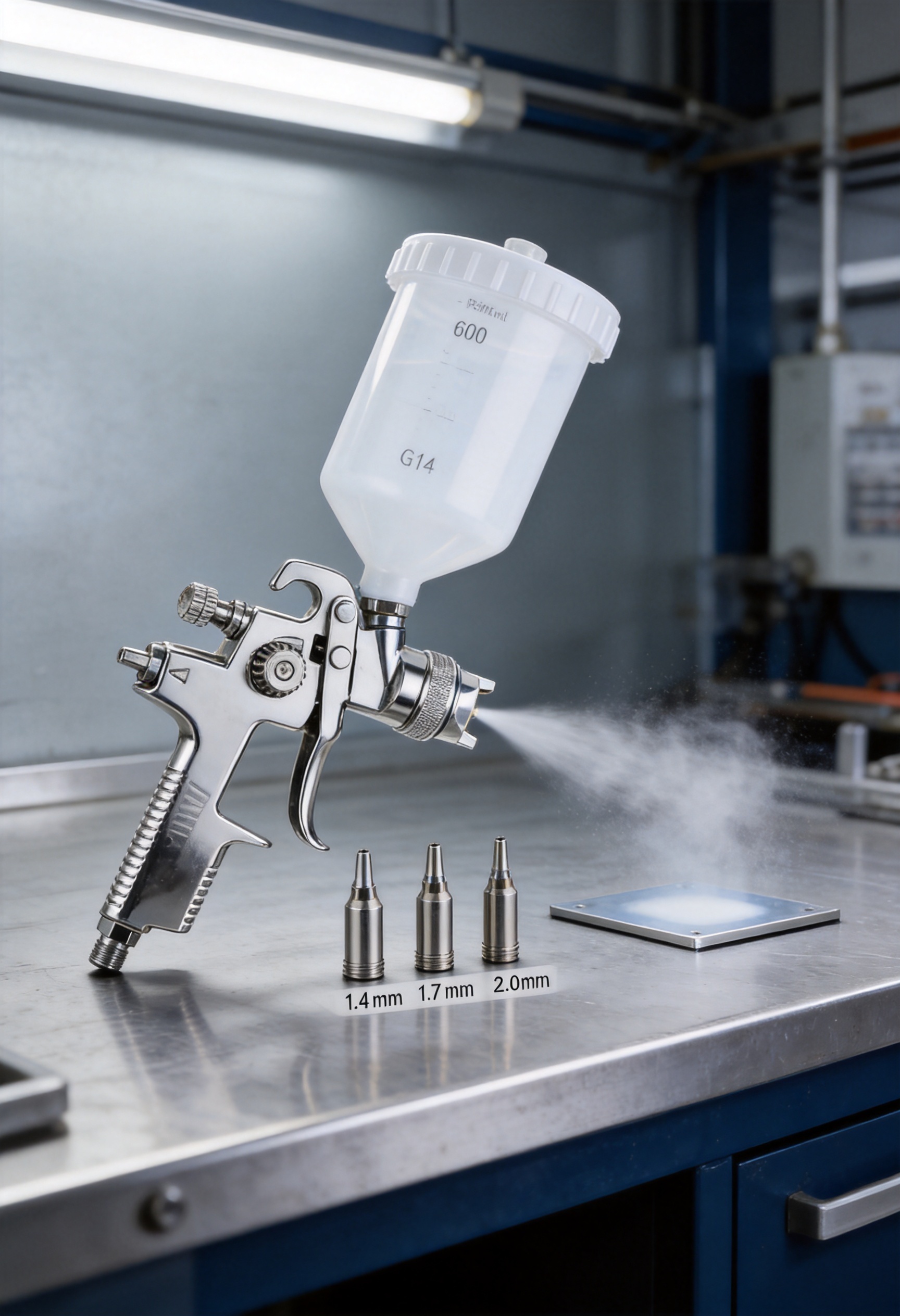
Professional painting depends on more than the quality of the coating itself. The spray gun, air sup...
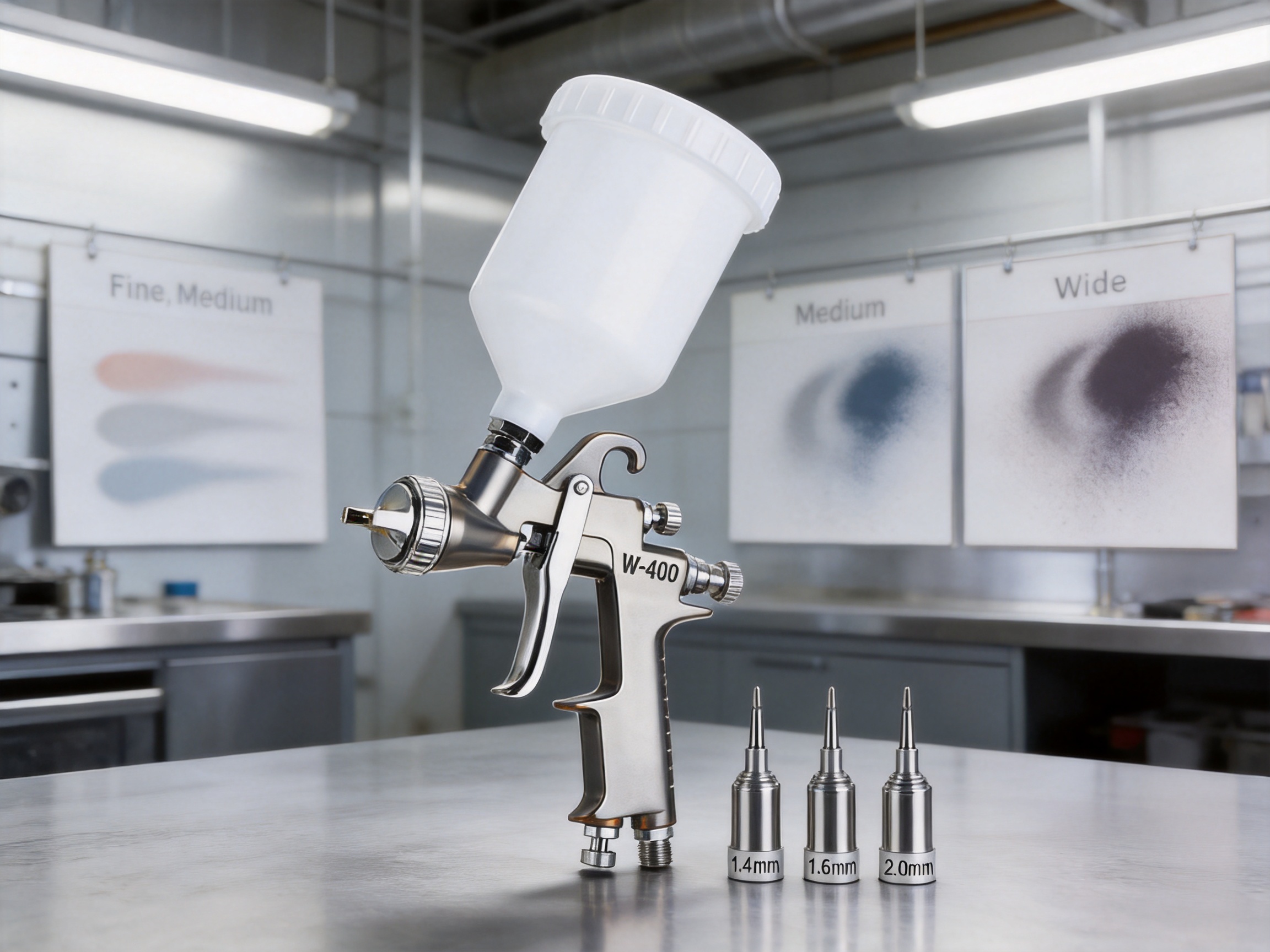
In professional painting and surface-finishing work, the spray gun is one of the most important link...
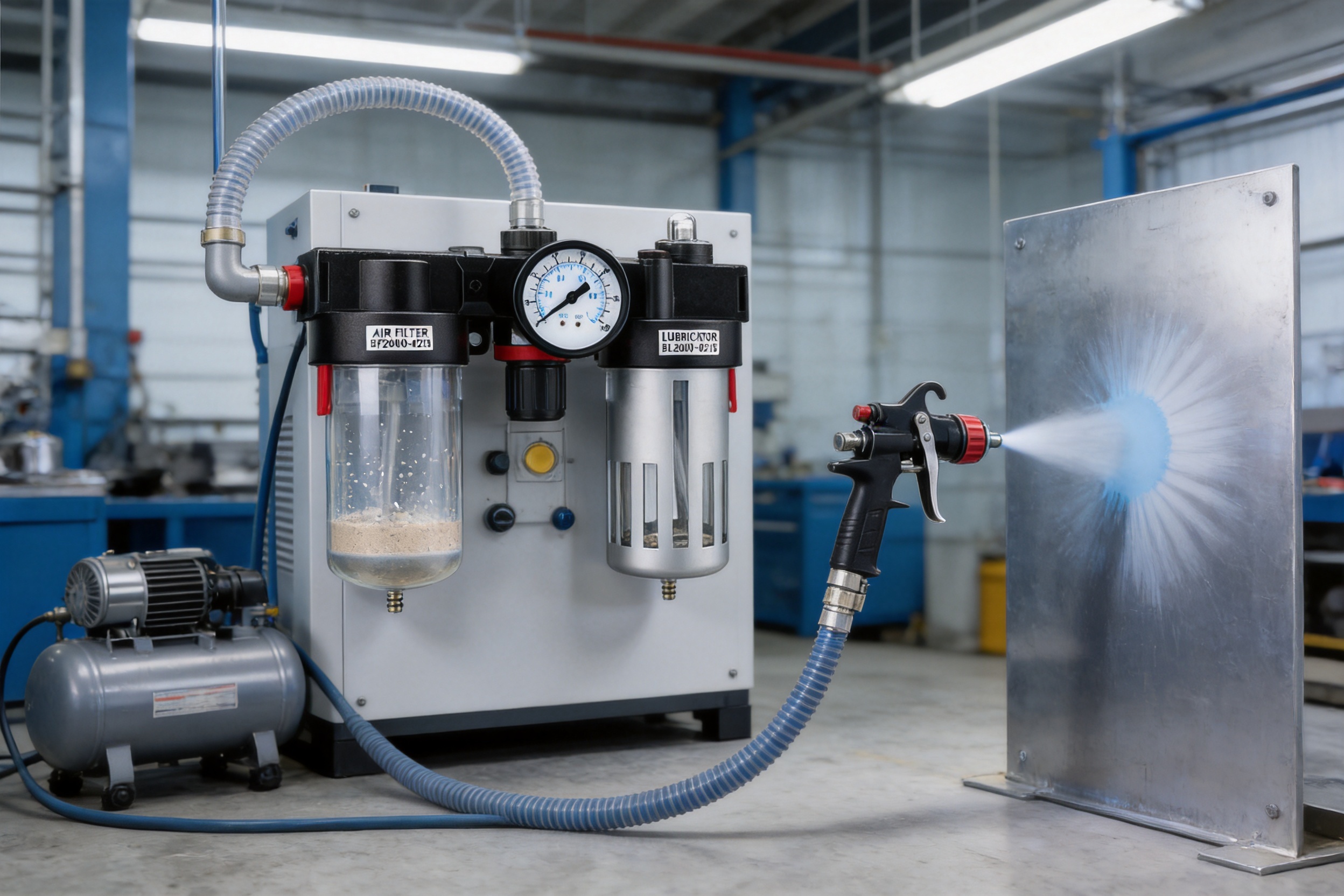
Compressed air is the working power behind spray guns, pneumatic tools, air brushes, inflating guns,...
A paint spray gun looks like one solid tool, but it is really five working groups stacked together: the air supply end, the air cap and nozzle set, the fluid needle and fluid passage, the trigger and adjustment controls, and the body with its seals and springs. Know which group does what, and most ...
The Short Answer: A Gravity Feed HVLP Spray Gun With a 1.3 to 1.4 mm Tip For most first-time users, the most practical choice is a gravity feed HVLP or LVLP spray gun with a 1.3 to 1.4 mm fluid tip, a 600 ml cup, and separate controls for fluid, fan pattern and air. This setup works with common co...
Two litres of enamel, a gravity-fed gun and a 1.3 mm fluid tip: pull the trigger and you either get a wet, glassy coat or a dry, sandy mist. The gun is rarely the reason. The mix is. Bring the paint to the right viscosity before it reaches the air cap and most classic spraying faults simply stop ha...
Fax: +86-574-88068788
Add: Hengxi Industrial Zone, Yinzhou, Borough, Ningbo, China, 315131

Copyright © 2021 Ningbo Lis Industrial Co., Ltd. Login Paint Spray Guns Suppliers

 Search
 English
 中文简体
中文简体 Deutsch
 Español