 Search
 English
 中文简体
中文简体 Deutsch
 Español
Content
When it comes to pneumatic systems—whether in automotive repair, woodworking, industrial manufacturing, or painting applications—the smallest components can have the biggest impact on performance. A faulty air fitting can lead to leaks, reduced pressure, downtime, and even safety hazards. Among the myriad of air fittings on the market, the TB-2 stands out as a game-changer, combining precision engineering, unmatched durability, and global compatibility to meet the most demanding industry needs. This article explores the key features that make TB-2 a top choice for professionals, its competitive advantages over alternative products, the advanced manufacturing processes behind its quality, real-world use cases, and answers to common questions about this innovative component.
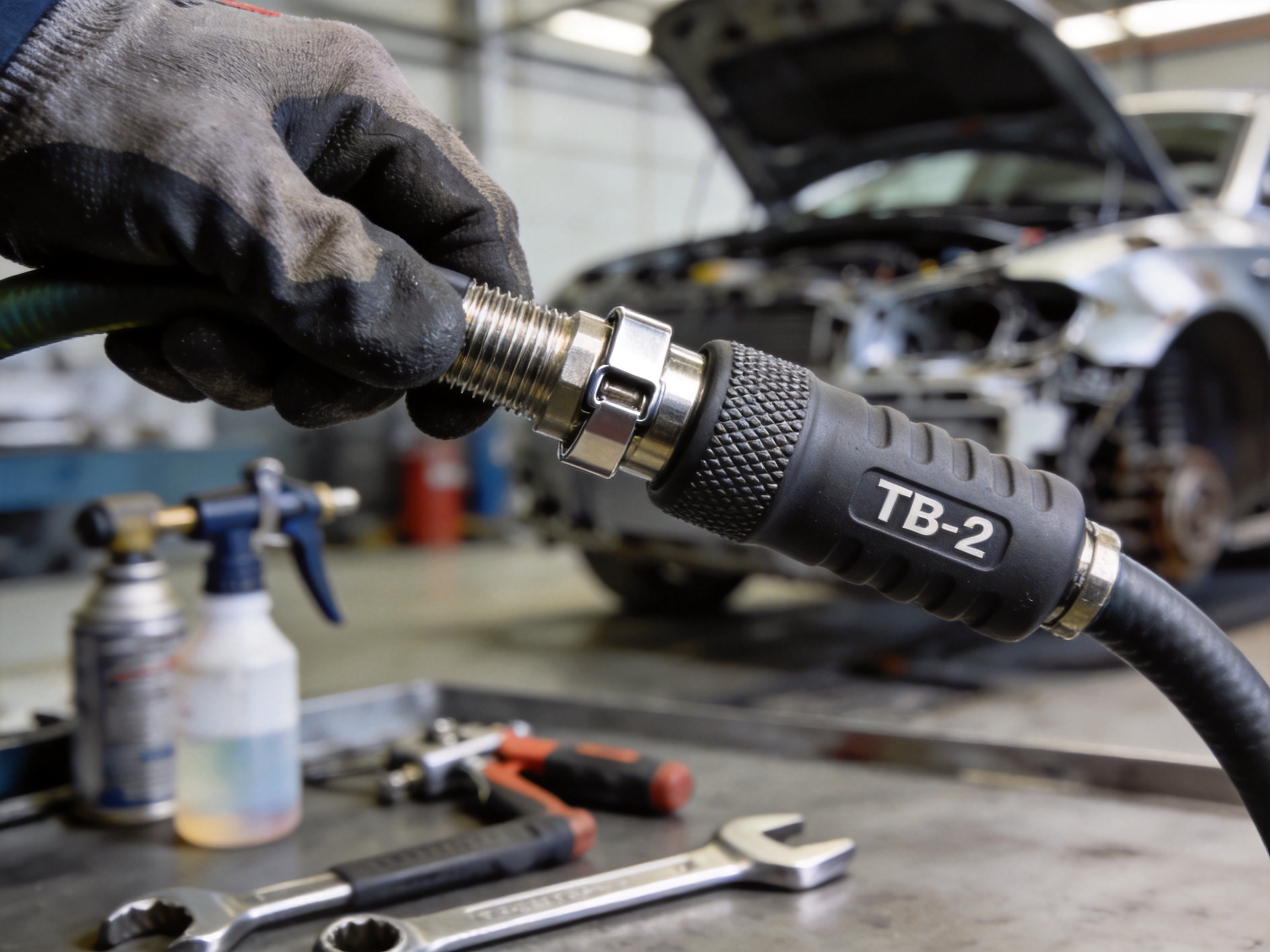
What Makes TB-2 Stand Out?
The TB-2 air fitting is not just another component—it’s a result of decades of engineering expertise and customer-centric design. Its core features address the most common pain points in pneumatic systems, from leakages to compatibility issues.
Precision Engineering for Seamless Connections
At the heart of TB-2’s performance is its precision-engineered design. Every component—from the threaded ends to the sealing mechanisms—is manufactured with tolerances measured in micrometers, ensuring a tight, leak-free connection every time. Unlike many generic fittings that rely on loose tolerances, TB-2 uses a proprietary machining process that guarantees consistency across every unit. This precision means that once connected, the fitting maintains a stable air seal even under high-pressure conditions, eliminating energy waste from leaks and ensuring optimal tool performance. For professionals who depend on consistent air flow (such as spray gun operators or pneumatic tool users), this level of precision is non-negotiable.
Another key aspect of TB-2’s design is its ergonomic grip and quick-connect mechanism. The fitting features a knurled surface that allows for easy handling, even with gloved hands, and a push-to-connect system that reduces installation time by up to 50% compared to traditional threaded fittings. This not only boosts productivity but also minimizes the risk of cross-threading, which is a common issue with poorly designed components. The quick-connect system uses a stainless steel locking clip that secures the fitting firmly in place, preventing accidental disconnections during operation.
Unmatched Durability in Harsh Environments
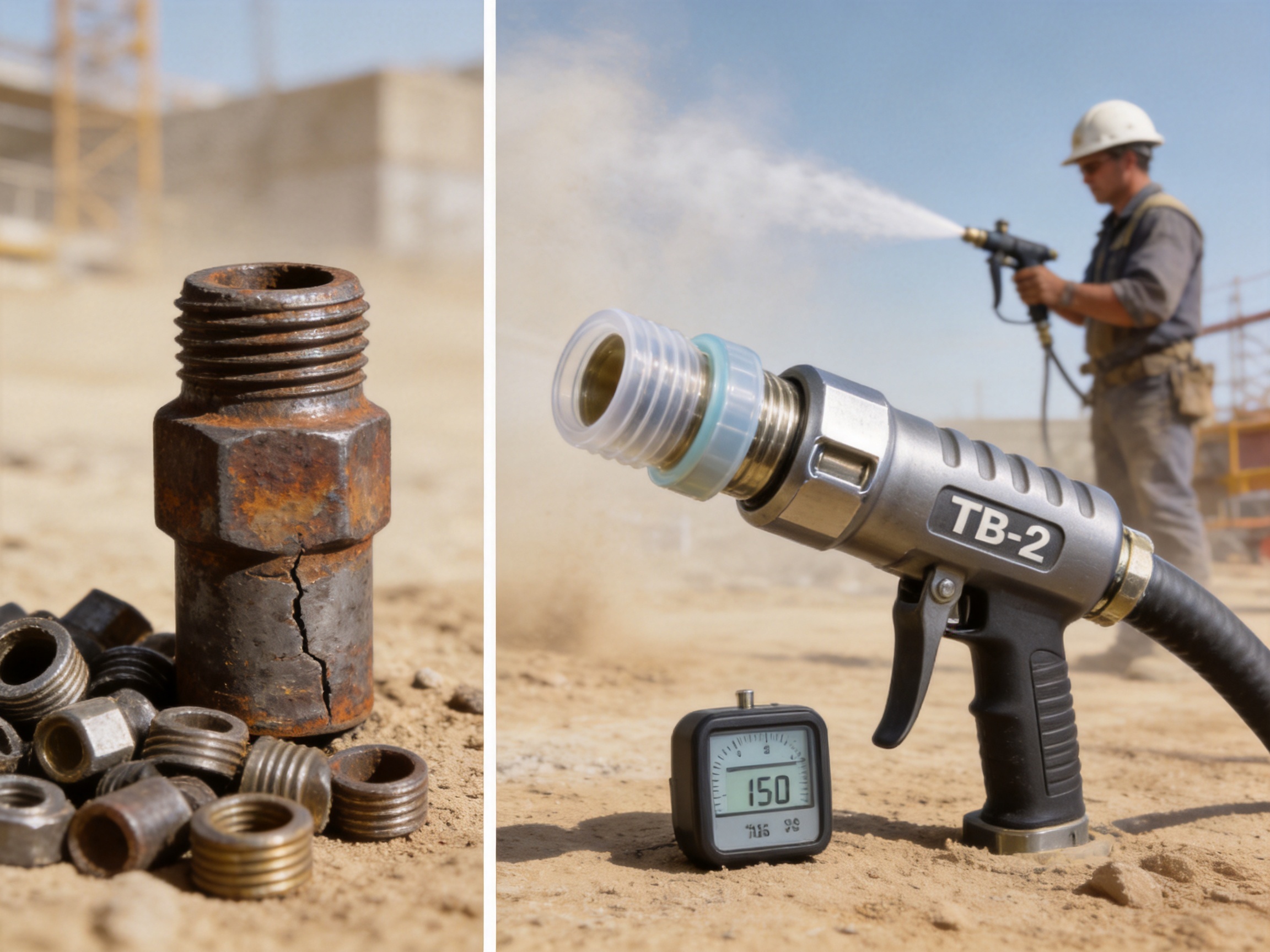
One of the biggest challenges with air fittings is their ability to withstand harsh conditions—whether it’s exposure to moisture, dust, chemicals, or extreme temperatures. TB-2 is built to thrive in these environments, thanks to its high-quality materials and robust construction. The fitting’s body is made from a specialized alloy that combines the strength of steel with the corrosion resistance of stainless steel, making it ideal for use in wet or dusty settings (such as construction sites or automotive repair shops). Unlike plastic fittings that can crack under pressure or degrade over time, TB-2’s metal construction ensures it can handle repeated use and abuse without compromising performance.
Additionally, TB-2’s sealing components are made from a high-temperature silicone rubber that can withstand temperatures ranging from -40°C to 120°C. This means the fitting can be used in both cold storage facilities and hot industrial environments without losing its sealing properties. The rubber seals are also resistant to oil and other common pneumatic fluids, further extending the fitting’s lifespan. The seals are reinforced with a nylon mesh to prevent tearing, adding an extra layer of durability.
Compatibility Across Global Standards
In a global marketplace, compatibility with different regional standards is essential. TB-2 is designed to meet or exceed the requirements of major international standards, including Japan Standard (JIS), European Standard (EN), U.S. Standard (ANSI), and Chinese National Standard (GB). This means the fitting can be used with pneumatic systems from any part of the world, eliminating the need for adapters or custom modifications. Whether you’re working on a project in North America, Europe, Asia, or elsewhere, TB-2 will fit seamlessly into your existing setup.
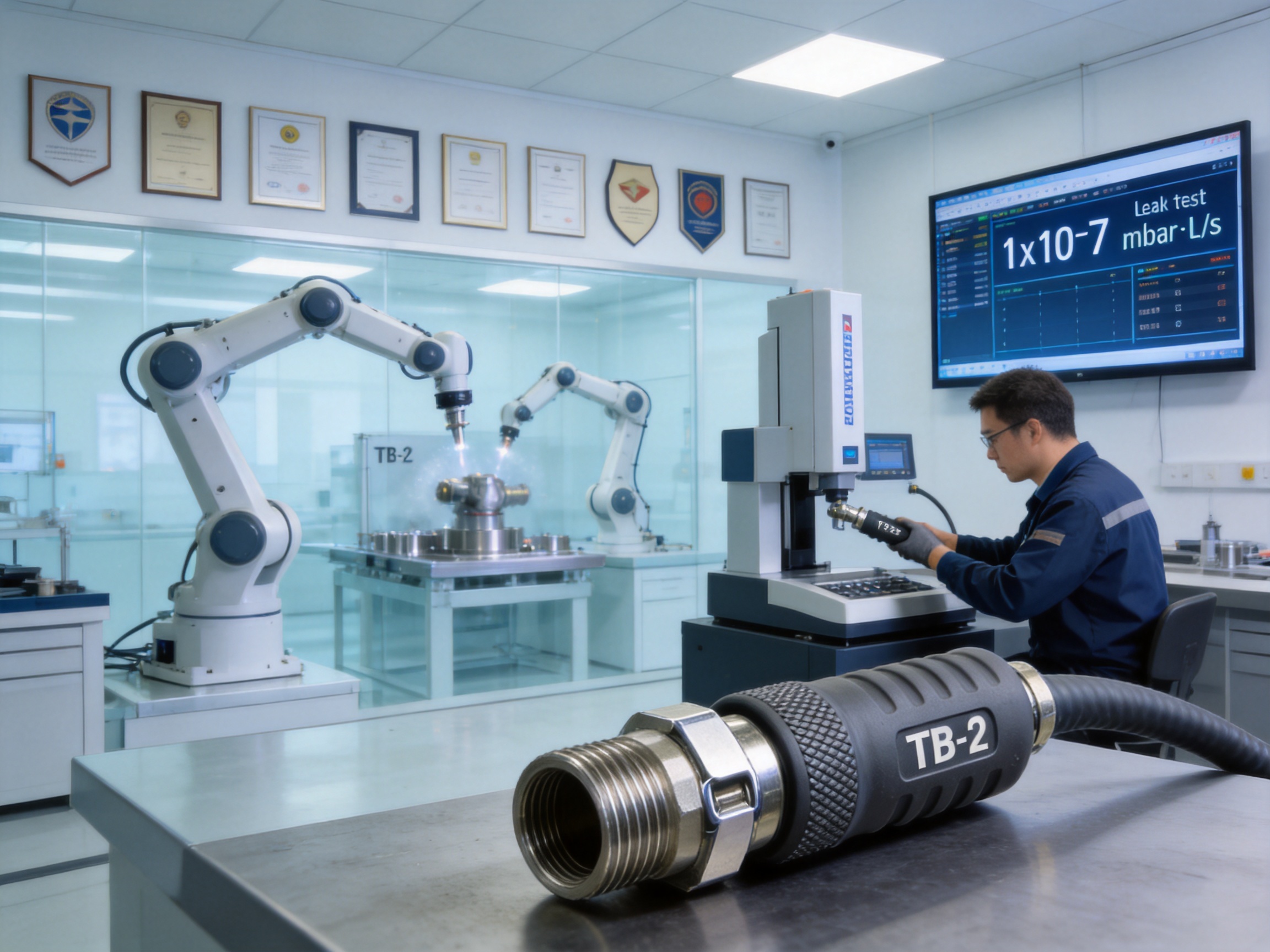
To ensure this compatibility, the company behind TB-2 has invested heavily in testing and certification. Every batch of TB-2 fittings undergoes rigorous testing to verify compliance with these standards, including pressure resistance, leak testing, and material analysis. This commitment to global compatibility makes TB-2 a versatile choice for multinational companies and professionals who work across borders. For example, a German automotive manufacturer can use TB-2 fittings in its plants in China without needing to change its tooling or systems.
Ease of Installation and Maintenance
Professionals value components that are easy to install and maintain, as this reduces downtime and labor costs. TB-2 excels in both areas. Its push-to-connect design allows for tool-free installation—simply push the fitting onto the air hose or tool, and the internal locking mechanism secures it in place. For threaded connections, the fitting’s precise threading ensures a tight fit without the need for excessive force, which can damage the hose or tool. The fitting also comes with clear installation instructions, making it easy for even inexperienced users to install correctly.
Maintenance is equally straightforward. TB-2’s simple design means there are few moving parts to wear out or replace. If cleaning is needed, the fitting can be disassembled quickly using basic tools, and the seals can be replaced in minutes. The company offers replacement seals and components for TB-2, making it easy to keep the fitting in top condition. This ease of maintenance ensures that TB-2 remains operational for longer, reducing the total cost of ownership over time.
Competitive Advantages of TB-2
While there are many air fittings on the market, TB-2 stands apart from the competition due to its unique combination of features, quality, and value. Let’s take a closer look at its key competitive advantages.
Material Innovation: Beyond Standard Metals
Most air fittings are made from either standard steel (prone to corrosion) or plastic (prone to breakage). TB-2 uses a proprietary alloy that addresses the limitations of both materials. This alloy is not only stronger than standard steel but also more corrosion-resistant than stainless steel, making it ideal for use in harsh environments. The alloy also has a higher tensile strength, meaning it can withstand higher pressure levels without deforming or breaking.
To put this into perspective: standard steel fittings have a tensile strength of around 400 MPa, while TB-2’s alloy has a tensile strength of over 600 MPa. This means TB-2 can handle pressure levels up to 150 PSI (pounds per square inch) continuously, compared to the industry average of 100 PSI. For applications that require high-pressure air flow (such as heavy-duty spray guns or industrial pneumatic tools), this extra strength is a critical advantage. The alloy also has a lower thermal expansion rate than standard steel, which means it maintains its shape and seal even when exposed to rapid temperature changes.
Testing Protocols: Rigor That Outperforms Industry Norms
Quality control is a top priority for TB-2’s manufacturer, and this is reflected in its rigorous testing protocols. Unlike many competitors who only test a small sample of their fittings, TB-2 undergoes 100% functional testing for every unit. This includes:
- Pressure testing: Each fitting is tested at 1.5 times its maximum rated pressure to ensure it can handle peak loads without leaking or failing. This test is conducted in a controlled environment to simulate real-world conditions.
- Leak testing: Using a helium leak detector, each fitting is checked for leaks down to 1x10^-7 mbar·L/s—far stricter than the industry standard of 1x10^-5 mbar·L/s. This ensures that even the smallest leaks are detected and corrected before the fitting is shipped.
- Durability testing: Fittings are subjected to 10,000 connect/disconnect cycles to simulate long-term use. Competitors typically test for only 5,000 cycles. This test helps ensure that the fitting’s locking mechanism and seals remain functional even after years of use.
- Corrosion testing: Fittings are exposed to salt spray for 500 hours (per ASTM B117 standards) to verify their resistance to rust and corrosion. Most competitors test for only 200 hours. This test is critical for fittings used in marine or coastal environments.
This level of testing ensures that every TB-2 fitting meets the highest quality standards, reducing the risk of failures in the field. The company also maintains detailed records of each test, which can be provided to customers upon request.
Cost-Effectiveness Without Compromising Quality
Many professionals assume that high-quality components come with a high price tag, but TB-2 defies this expectation. While it is slightly more expensive than generic plastic or steel fittings, its longer lifespan and lower maintenance costs make it more cost-effective over time. For example: a generic steel fitting may cost $2, but it needs to be replaced every 6 months due to corrosion or wear. TB-2 costs $5 but can last up to 3 years—resulting in a total cost of $2 per year for TB-2, compared to $4 per year for the generic fitting. Additionally, TB-2’s leak-free design reduces energy waste, which can save hundreds of dollars per year in compressed air costs for large operations.
For businesses that operate on tight budgets, this cost-effectiveness is a major selling point. TB-2 allows them to invest in a high-quality component without breaking the bank, while also reducing long-term operational costs. The company also offers bulk discounts for large orders, making TB-2 even more affordable for businesses with multiple locations or high-volume needs.
The Manufacturing Backbone: Behind TB-2’s Excellence
The quality of TB-2 is not accidental—it’s the result of a state-of-the-art manufacturing process and a company with decades of experience in the pneumatic industry. Let’s explore the key elements of TB-2’s production.
Advanced Production Facilities
The company behind TB-2 operates a 400,000-square-foot manufacturing facility in Ningbo, China—one of the largest in the pneumatic tool industry. The facility is equipped with the latest CNC (Computer Numerical Control) machining centers, which are used to produce TB-2’s components with micrometer-level precision. These machines are programmed to follow exact specifications, ensuring consistency across every unit. The facility also has a dedicated clean room for assembling the sealing components, which prevents dust and debris from contaminating the parts and affecting performance.
In addition to CNC machining, the facility uses automated robotic arms for tasks like polishing and deburring. These robots are programmed to handle each component with care, ensuring that the surface finish is smooth and free of defects. The facility also has a large warehouse with automated storage and retrieval systems (AS/RS) that can quickly locate and retrieve raw materials and finished products, reducing lead times and improving order accuracy. The company’s production capacity is flexible, allowing it to increase output by 30% within 2 months to meet urgent customer demands.
Quality Control: From Raw Material to Finished Product
Quality control starts long before TB-2 hits the assembly line. The company sources its raw materials from certified suppliers, and every batch of material undergoes rigorous testing to ensure it meets the required specifications. This includes chemical analysis to verify the composition of the alloy, as well as mechanical testing to check for strength and durability. The company only uses materials that meet or exceed international standards, ensuring that TB-2’s performance is consistent.
During production, each component is inspected at multiple stages. For example, the threaded ends are checked for precision using coordinate measuring machines (CMMs), which can detect deviations as small as 0.001 mm. The sealing components are tested for elasticity and resistance to temperature and chemicals. Once assembled, every TB-2 fitting undergoes the 100% functional testing mentioned earlier, including pressure, leak, and durability tests. After testing, the fittings are packaged in protective cases to prevent damage during shipping. Each package includes a certificate of compliance, verifying that the fitting meets all relevant international standards.
R&D: Driving Continuous Improvement
The company invests 5% of its annual revenue in R&D—well above the industry average of 2-3%. This investment has led to several innovations in TB-2’s design, including the proprietary alloy and high-temperature silicone seals. The company also collaborates with leading universities and research institutions to develop new materials and manufacturing techniques. For example, the company has a partnership with Tsinghua University to research advanced alloy materials that are even more corrosion-resistant and lightweight.
One of the key R&D initiatives is the development of a self-cleaning seal for TB-2. This seal is designed to repel dust and debris, reducing the need for frequent cleaning and maintenance. The company is also working on a wireless sensor that can be integrated into TB-2 to monitor air pressure and detect leaks in real time—an innovation that would revolutionize pneumatic system maintenance. The R&D team also works closely with customers to identify unmet needs and develop customized solutions.
Case Study: TB-2 in Real-World Applications
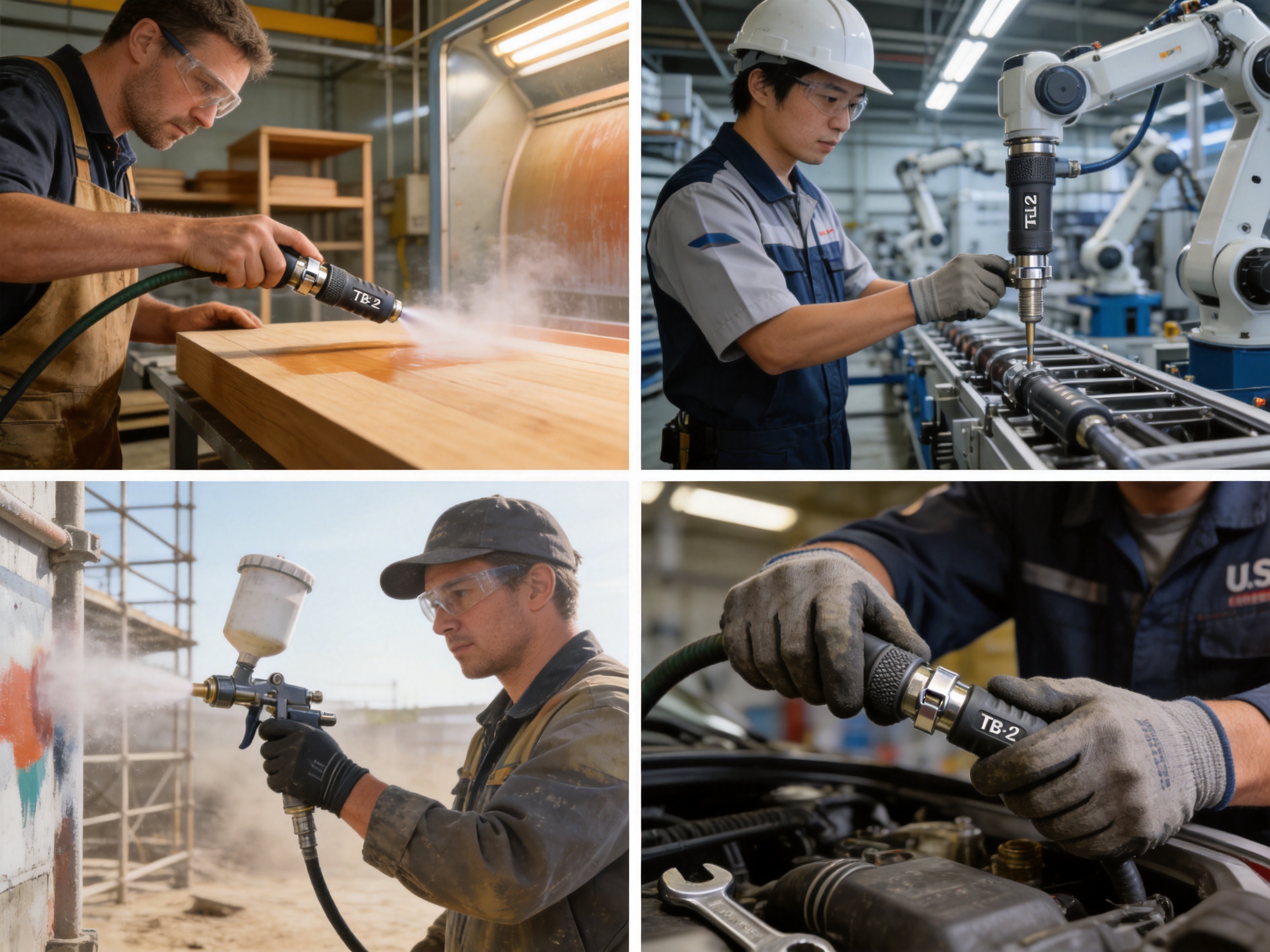
To understand the impact of TB-2, it’s important to look at how it performs in real-world settings. Below are four case studies from different industries.
Automotive Industry
A major automotive repair chain with 50 locations across the U.S. was facing significant challenges with its air fittings. The chain’s body shops used over 1,000 generic steel fittings, which were prone to corrosion from moisture and brake fluid. Each month, the chain spent an average of $2,500 on replacing faulty fittings, and technicians spent an average of 10 hours per week fixing leaks and replacing parts. This led to a 5% reduction in productivity and an increase in customer wait times.
After conducting a trial of TB-2 fittings in 5 of its shops, the chain found that the TB-2 fittings lasted 3 times longer than the generic steel fittings. The chain also saw a 75% reduction in leak-related issues, which translated to a 10% increase in productivity. Based on these results, the chain decided to replace all of its generic fittings with TB-2. The total cost of the replacement was $15,000, but the chain estimates that it will save over $30,000 per year in replacement costs and productivity gains. The chain also reported that the TB-2 fittings were easier to handle with gloved hands, which improved technician safety.
Woodworking and Furniture Manufacturing
A furniture manufacturer in Germany was struggling with air leaks in its spray booths. The manufacturer’s old plastic fittings were cracking under the pressure of high-volume spray guns, leading to wasted paint and increased energy costs. The manufacturer’s spray booths used over 200 fittings, and each leak was costing the company €50 per month in wasted paint and energy.
By replacing the plastic fittings with TB-2, the manufacturer eliminated 90% of its air leaks. The TB-2’s robust metal construction and precise sealing mechanism handled the high pressure of the spray guns, and its compatibility with European standards meant no adapters were needed. The manufacturer estimated that it saved €15,000 per year in energy costs and paint waste—more than offsetting the cost of the TB-2 fittings. The manufacturer also noted that the TB-2 fittings required less maintenance, which reduced downtime for the spray booths.
Construction and Painting
A painting contractor in Australia was using generic fittings for its airless spray guns on construction sites. The fittings were often damaged by dust and debris, leading to frequent breakdowns during large projects. The contractor’s projects typically lasted 2-3 months, and each breakdown cost the contractor $1,000 in downtime and lost productivity.
After switching to TB-2, the contractor’s downtime decreased by 60%. The TB-2’s durable alloy construction and dust-resistant seals held up well in the dusty construction environment, and its quick-connect design allowed for fast installation and replacement. The contractor also noted that the TB-2 fittings were more resistant to impact damage, which was a major advantage in the rough construction environment. The contractor estimates that it will save over $10,000 per year in downtime costs.
Industrial Pneumatic Systems
A manufacturing plant in Japan was using standard steel fittings for its assembly line pneumatic systems. The fittings were corroding due to exposure to humidity, leading to leaks that affected the performance of automated tools. The plant’s assembly line used over 500 fittings, and each leak was causing a 1% reduction in tool performance.
TB-2’s compatibility with Japanese standards made it an ideal choice for the plant. The fitting’s corrosion-resistant alloy and high-temperature seals eliminated the leaks, and its 100% functional testing ensured consistent performance. The plant reported that the TB-2 fittings reduced maintenance costs by 40% and increased the reliability of its assembly line. The plant also noted that the TB-2 fittings were easier to install, which reduced the time required to set up new production lines.
Q&A Section
To address common questions about TB-2, we’ve compiled a list of frequently asked questions and their answers.
Q1: What are the key materials used in TB-2?
A: TB-2’s body is made from a proprietary alloy that combines the strength of steel with the corrosion resistance of stainless steel. The alloy is composed of iron, chromium, nickel, and molybdenum, which gives it its unique properties. The sealing components are made from high-temperature silicone rubber, which is reinforced with nylon mesh to prevent tearing. The locking clip is made from stainless steel, which ensures it remains strong and corrosion-resistant.
Q2: Is TB-2 compatible with different air pressure levels?
A: Yes. TB-2 is rated for continuous use at up to 150 PSI and can handle peak pressures of up to 225 PSI. This makes it suitable for a wide range of pneumatic applications, from low-pressure spray guns (10-50 PSI) to high-pressure industrial tools (100-150 PSI). The fitting’s design ensures that it maintains its seal and performance even at these pressure levels.
Q3: How does TB-2 compare to plastic air fittings?
A: TB-2 is significantly more durable and reliable than plastic fittings. Plastic fittings are prone to cracking under pressure, degrading over time, and leaking. TB-2’s metal construction and precise sealing mechanism ensure a longer lifespan, higher pressure resistance, and fewer leaks. While plastic fittings are cheaper upfront, TB-2 is more cost-effective over time due to its lower maintenance and replacement costs. For example, a plastic fitting may last 6 months, while TB-2 can last up to 3 years.
Q4: What certifications does TB-2 hold?
A: TB-2 has been certified to meet or exceed the requirements of several international standards, including ISO9001 (quality management), CE (European Conformity), GS (German Safety), OHSAS18001 (occupational health and safety), and ISO14001 (environmental management). It also complies with Japan Standard (JIS), European Standard (EN), U.S. Standard (ANSI), and Chinese National Standard (GB). These certifications ensure that TB-2 is safe, reliable, and compatible with global systems.
Q5: Can TB-2 be customized for specific applications?
A: Yes. The company behind TB-2 offers OEM (Original Equipment Manufacturer) and ODM (Original Design Manufacturer) services. This means customers can request custom sizes, thread types, or materials to meet their specific needs. For example, a customer may request a custom thread size for a specialized pneumatic tool, or a different material for a high-temperature application. The company’s R&D team works closely with customers to develop customized solutions that meet their requirements, and can often deliver a customized solution within 4-6 weeks.
TB-2 vs. Competitor Air Fittings
To further illustrate TB-2’s advantages, here’s a comparison table with two leading competitors and industry standards:
| Feature | TB-2 | Competitor A | Competitor B | Industry Standard |
|---|---|---|---|---|
| Material | Proprietary Corrosion-Resistant Alloy | Standard Steel | Plastic (Nylon) | Steel or Plastic |
| Maximum Pressure Rating (PSI) | 150 (continuous) | 100 (continuous) | 80 (continuous) | 100 (continuous) |
| Temperature Range (°C) | -40 to 120 | -10 to 80 | 0 to 60 | -20 to 100 |
| Connection Type Compatibility | JIS, EN, ANSI, GB | ANSI Only | EN Only | Single Standard |
| Durability Cycles (Connect/Disconnect) | 10,000 | 5,000 | 3,000 | 5,000 |
| Certifications | ISO9001, CE, GS, OHSAS18001, ISO14001 | ISO9001 | CE | ISO9001 or CE |
| Relative Price Point | Medium-High | Medium | Low | Low-Medium |
| Total Cost of Ownership (1 Year) | $2.00 | $3.50 | $4.00 | $3.00 |
Conclusion
The TB-2 air fitting is more than just a component—it’s a testament to the power of precision engineering, material innovation, and rigorous quality control. Its unique combination of durability, compatibility, and cost-effectiveness makes it a top choice for professionals across a wide range of industries, from automotive repair to industrial manufacturing.
Behind TB-2 is a company with decades of experience in the pneumatic industry, a state-of-the-art manufacturing facility, and a commitment to continuous improvement. This company’s investment in R&D and quality control ensures that TB-2 remains at the cutting edge of pneumatic technology, meeting the evolving needs of customers around the world. The company also offers excellent customer support, including technical assistance and customization services, which further enhances the value of TB-2.
For businesses and professionals looking to improve the performance and reliability of their pneumatic systems, TB-2 is an investment that pays off. Its leak-free design reduces energy waste, its durable construction minimizes maintenance costs, and its global compatibility makes it a versatile choice for any application. Whether you’re a small business owner or a multinational corporation, TB-2 is the gold standard for pneumatic connection efficiency and longevity.
References
1. ISO 9001:2015 Quality Management Systems—Fundamentals and Vocabulary. International Organization for Standardization, 2015.
2. ASTM B117-19 Standard Practice for Operating Salt Spray (Fog) Apparatus. American Society for Testing and Materials, 2019.
3. Pneumatic Tools and Accessories: Global Market Report 2023. Grand View Research, 2023.
4. Compressed Air Efficiency: Best Practices for Industrial Applications. U.S. Department of Energy, 2022.
5. JIS B 0203-2009 Pipe Threads—Part 2: ISO Metric Threads. Japanese Industrial Standards Committee, 2009.
6. EN 1775:2019 Pneumatic Fluid Power—Quick-Action Couplings—Test Methods. European Committee for Standardization, 2019.
7. Industrial Pneumatic Systems: Maintenance and Optimization. American Institute of Aeronautics and Astronautics, 2021.
8. Corrosion Resistance of Metallic Materials: A Guide for Industrial Applications. ASM International, 2020.