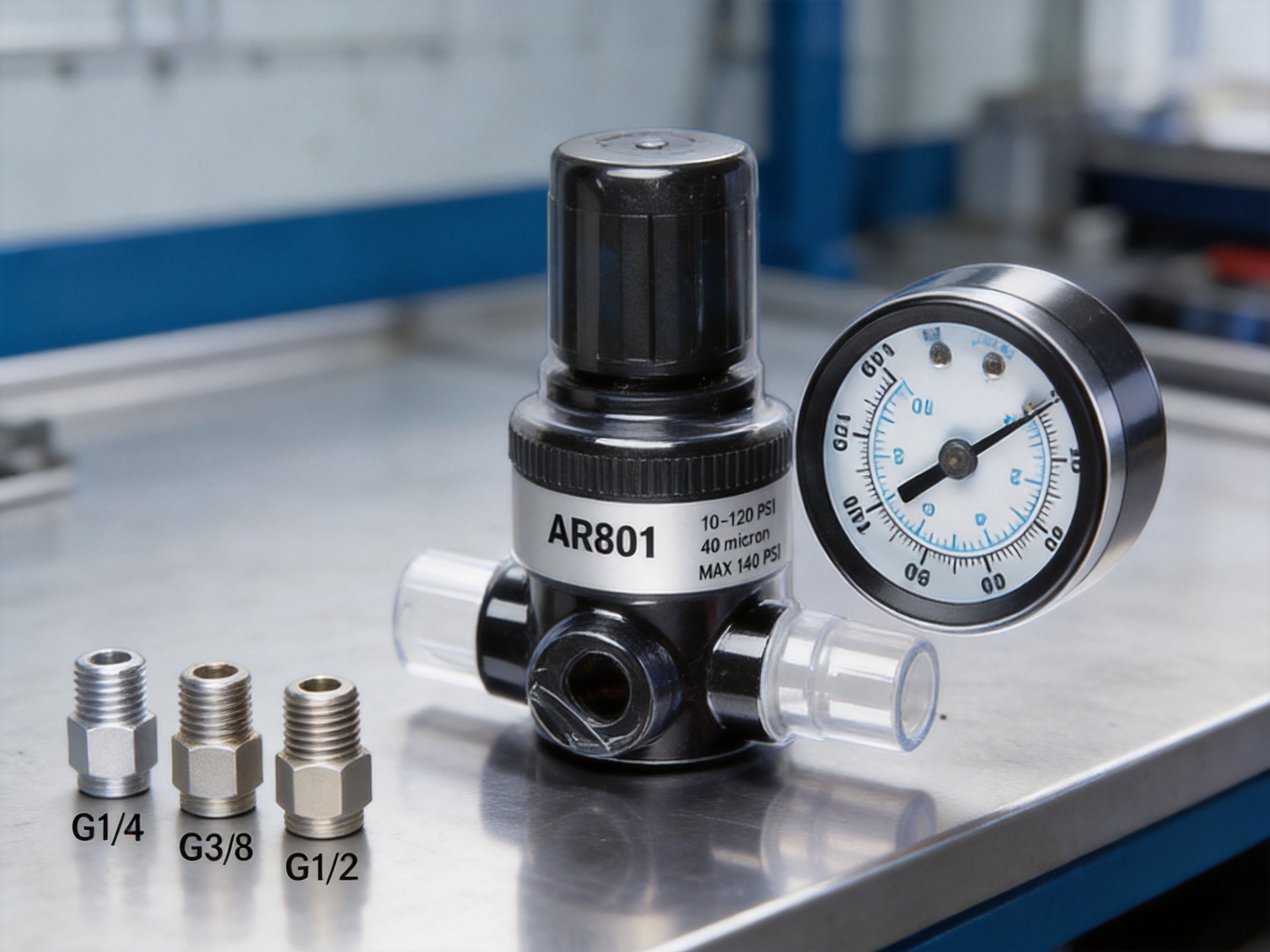
Reliable air control is essential wherever compressed air is used for spraying, painting, cleaning, ...
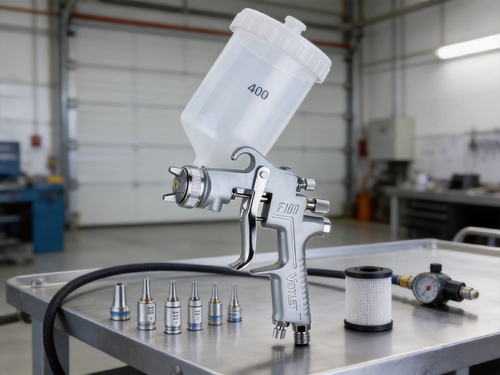
Choosing the right spray gun has a direct effect on coating quality, working speed, material consump...
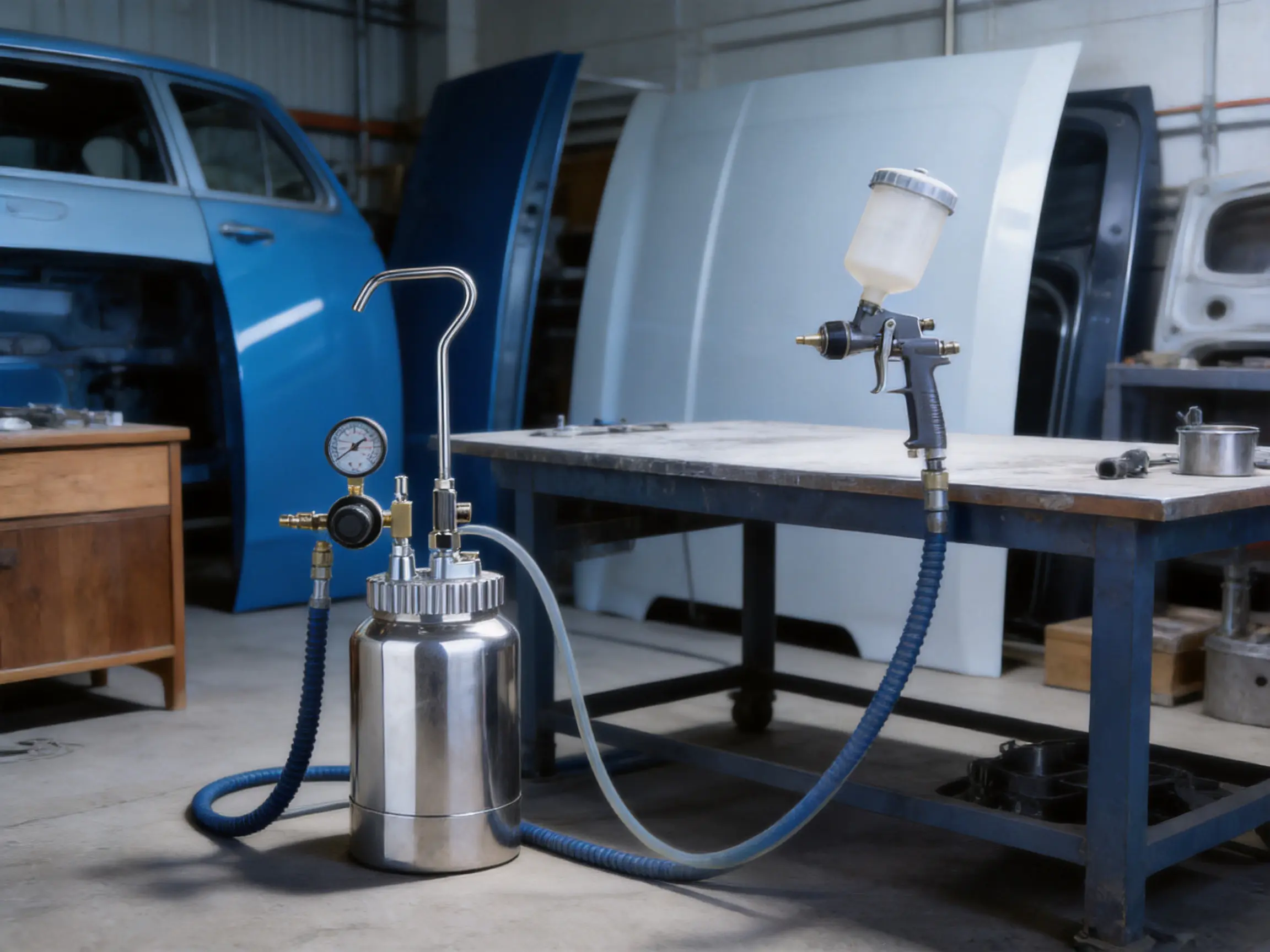
A 2-quart paint tank is a compact pressure-fed container designed to deliver coating materials from ...
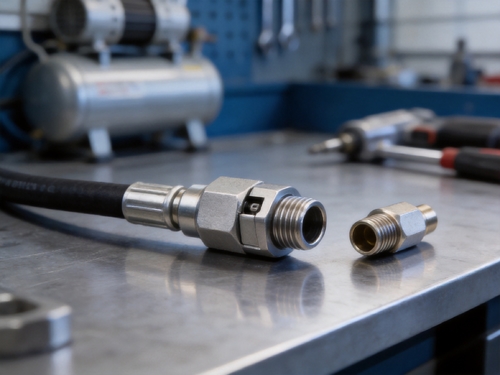
Introduction to the BPH20 Pneumatic Hose Quick Coupler Plug Reliable air connections are essential ...
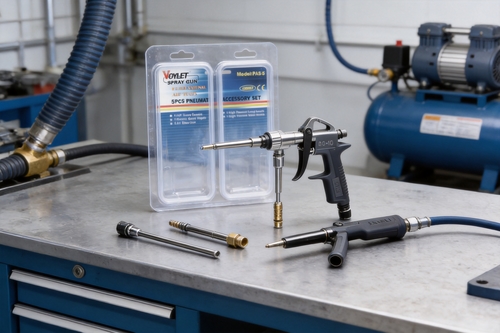
The PAS5 spray gun kit is a compact, versatile air-tool package designed for users who need more tha...
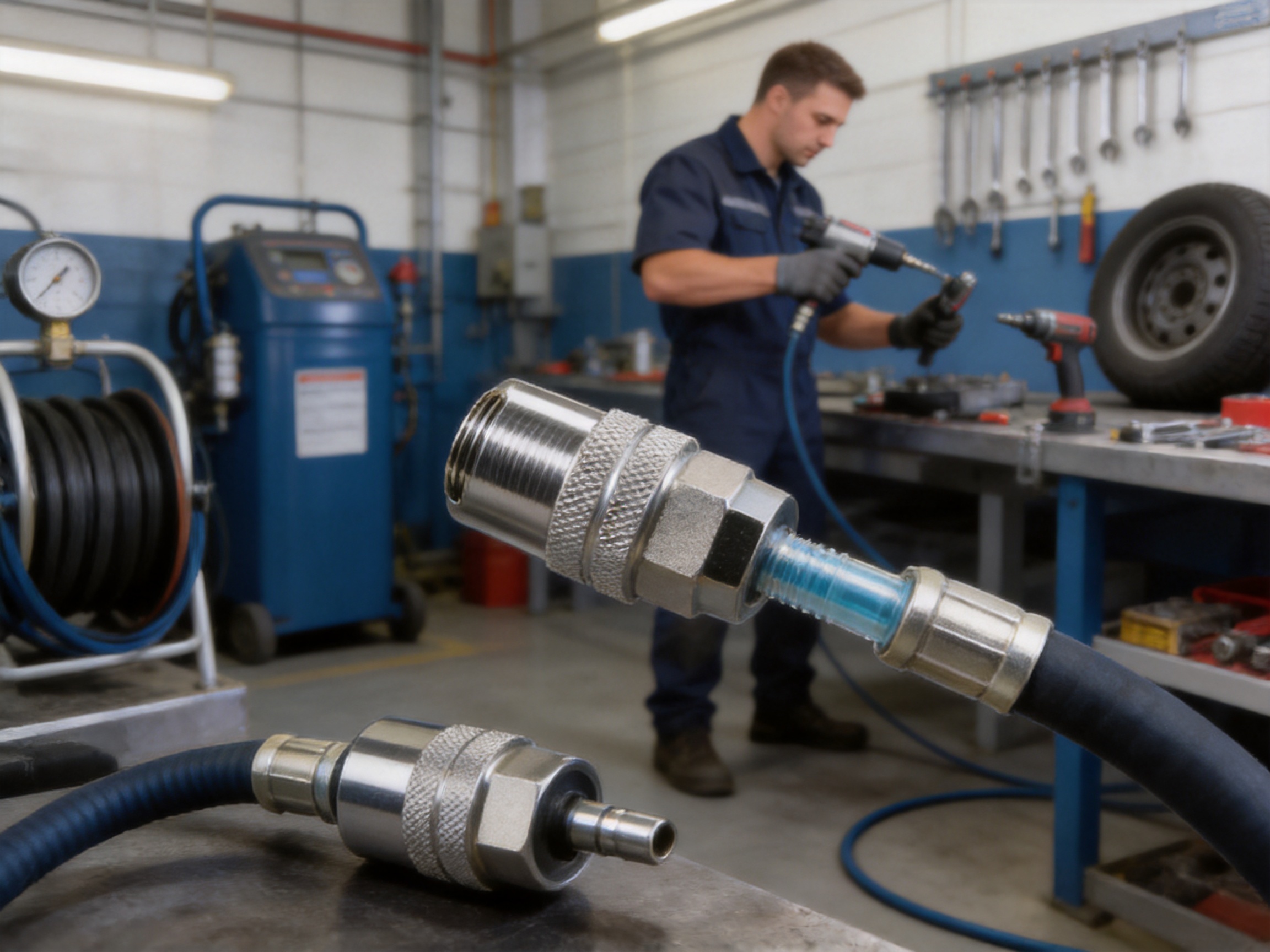
In compressed-air systems, a small connector can have a major effect on productivity, safety, operat...
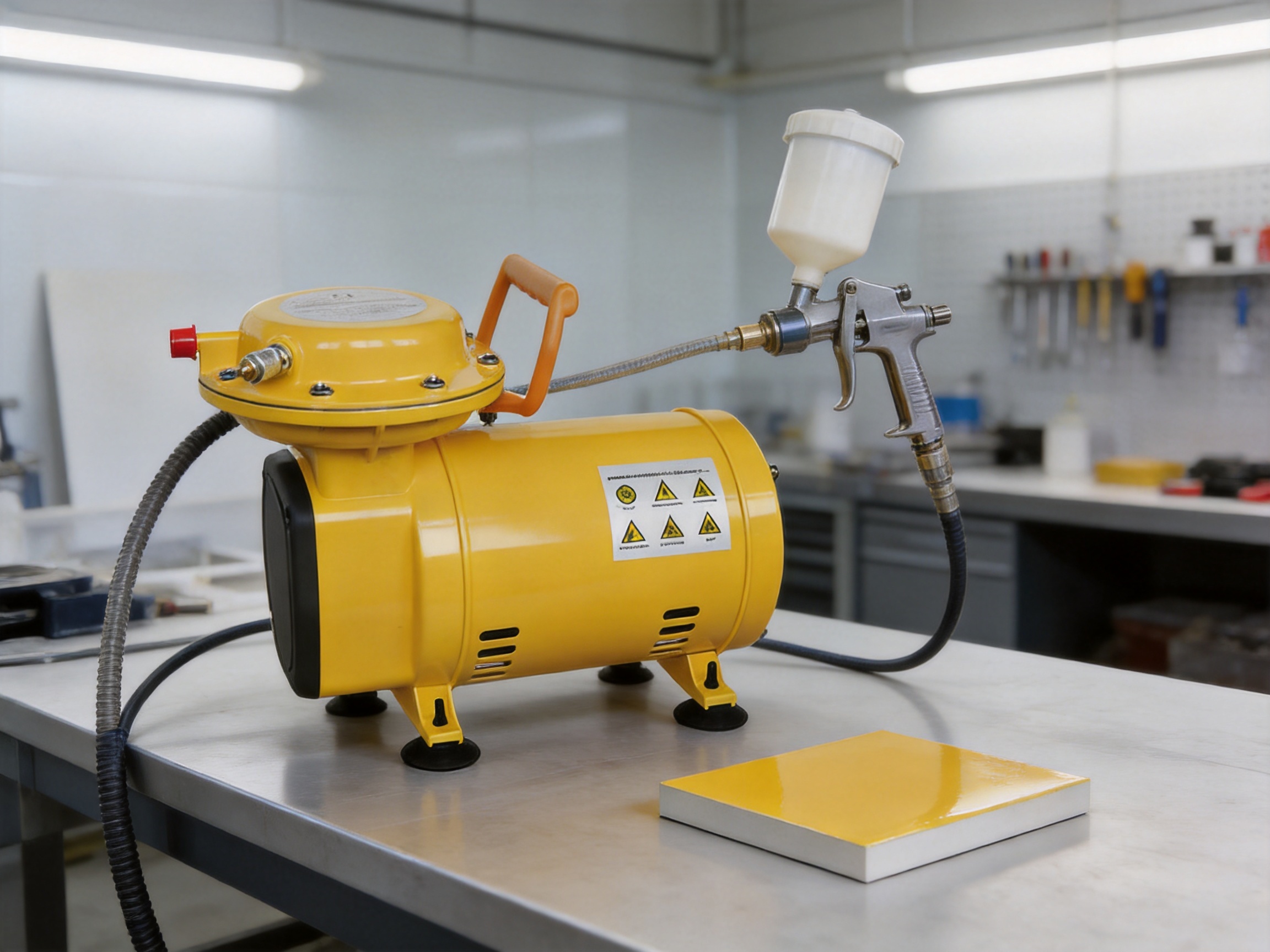
In professional finishing, workshop maintenance, and small-scale pneumatic applications, the quality...
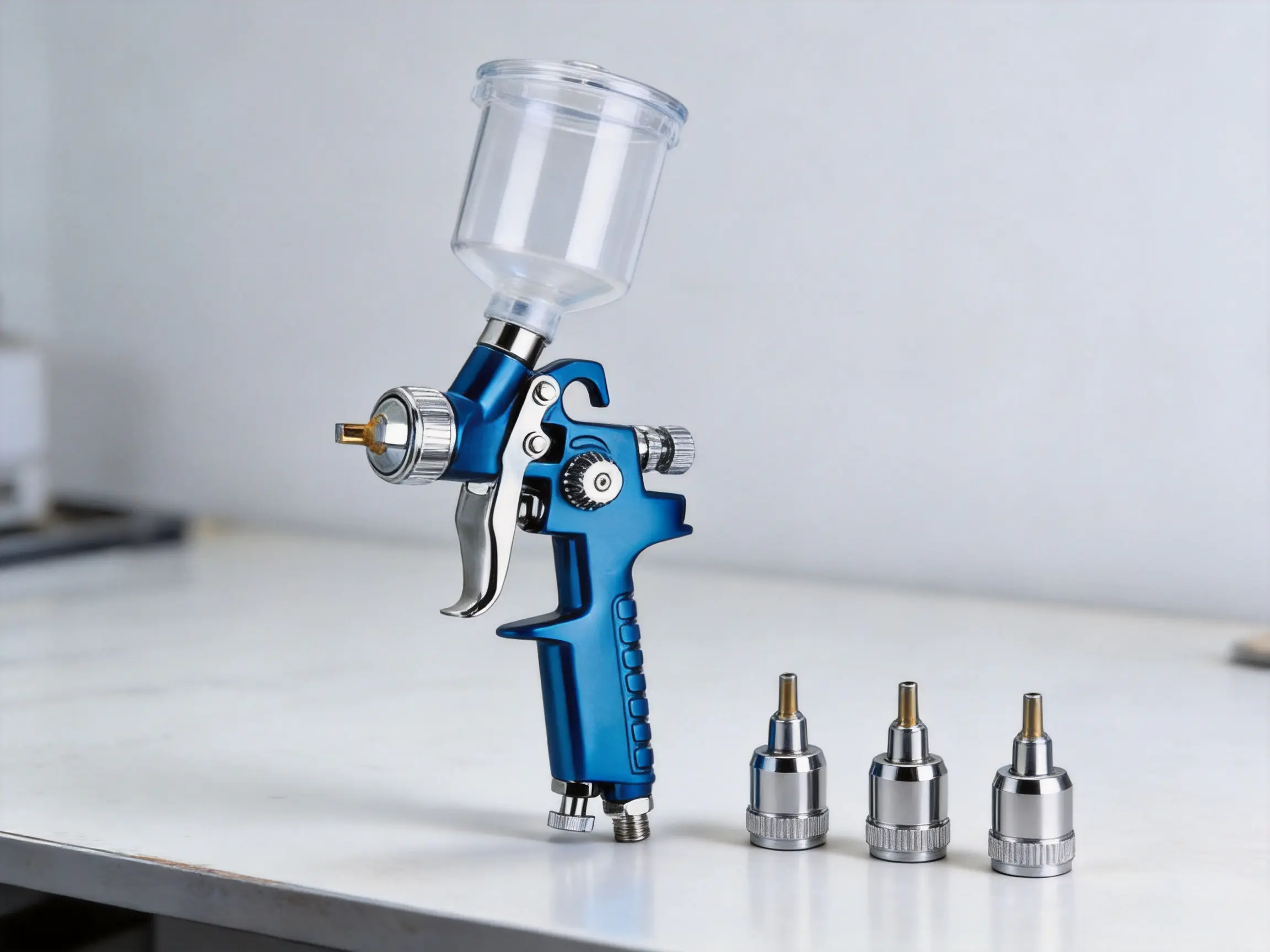
In professional refinishing, woodworking touch-up, automotive repair, furniture restoration, and sma...
A paint spray gun looks like one solid tool, but it is really five working groups stacked together: the air supply end, the air cap and nozzle set, the fluid needle and fluid passage, the trigger and adjustment controls, and the body with its seals and springs. Know which group does what, and most ...
The Short Answer: A Gravity Feed HVLP Spray Gun With a 1.3 to 1.4 mm Tip For most first-time users, the most practical choice is a gravity feed HVLP or LVLP spray gun with a 1.3 to 1.4 mm fluid tip, a 600 ml cup, and separate controls for fluid, fan pattern and air. This setup works with common co...
Two litres of enamel, a gravity-fed gun and a 1.3 mm fluid tip: pull the trigger and you either get a wet, glassy coat or a dry, sandy mist. The gun is rarely the reason. The mix is. Bring the paint to the right viscosity before it reaches the air cap and most classic spraying faults simply stop ha...
Fax: +86-574-88068788
Add: Hengxi Industrial Zone, Yinzhou, Borough, Ningbo, China, 315131

Copyright © 2021 Ningbo Lis Industrial Co., Ltd. Login Paint Spray Guns Suppliers

 Search
 English
 中文简体
中文简体 Deutsch
 Español