 Search

 English
 中文简体
 Deutsch
 Español
Content
- 1 1. The Role of a Quick Coupler Plug in an Air System
- 2 2. Product Overview
- 3 3. Advantages of a Quick Coupler Plug
- 4 4. Why Japan-Standard Compatibility Matters
- 5 5. Typical Application Areas
- 6 6. Manufacturing Strengths Behind Reliable Pneumatic Fittings
- 7 7. Research, Development, and Engineering Support
- 8 8. Quality Control and Production Management
- 9 9. Product Advantages Compared with Generic Alternatives
- 10 10. Installation Recommendations
- 11 11. Maintenance and Service-Life Practices
- 12 12. Selection Guide for Buyers
- 13 13. Advantages for Distributors and OEM Customers
- 14 14. Safety Considerations
- 15 15. Environmental and Operational Considerations
- 16 16. Why Manufacturer Experience Matters
- 17 17. Recommended Quality-Verification Process
- 18 18. Frequently Asked Questions
- 18.1 Q1: What is the JPF20 used for?
- 18.2 Q2: Is the JPF20 compatible with every quick coupler?
- 18.3 Q3: Can the plug be used with a paint spray gun?
- 18.4 Q4: What should be checked before installation?
- 18.5 Q5: How can air leakage be reduced?
- 18.6 Q6: Can the product be supplied under a private label?
- 18.7 Q7: Can the manufacturer support large orders?
- 18.8 Q8: What certifications are available?
- 18.9 Q9: How should unused plugs be stored?
- 18.10 Q10: What information should be included in a quotation request?
- 19 19. Conclusion
- 20 References
- 21 Product: JPF20 Pneumatic fittings Air Compressor Hose Quick Coupler Plug+
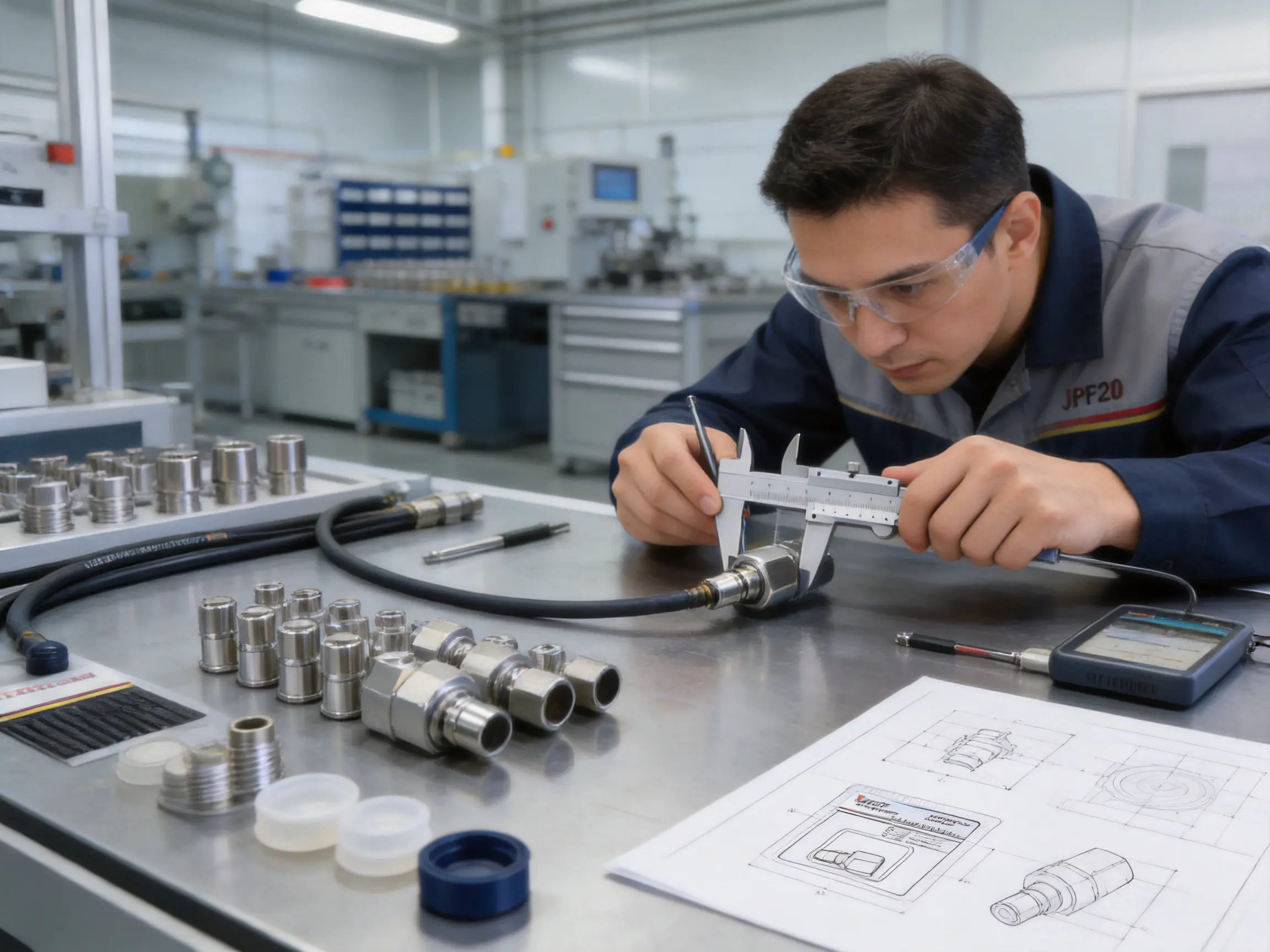
Reliable compressed-air connections are essential in workshops, factories, vehicle service centers, woodworking facilities, maintenance departments, and professional painting environments. A hose connection may appear to be a small component, but its performance directly affects air delivery, operator safety, working efficiency, tool reliability, and maintenance costs. When a coupler plug is difficult to connect, poorly matched to the system, or unable to maintain a stable seal, even a high-quality air compressor and pneumatic tool can perform below expectations.
The JPF20 pneumatic fitting air compressor hose quick coupler plug is designed for applications using Japan-standard connection requirements. It provides a practical interface between an air hose, quick coupler, spray gun, pneumatic tool, or other compressed-air equipment. By allowing fast connection and disconnection, the plug supports flexible operation while reducing the time required to change tools or rearrange an air line.
This article explains the role of the JPF20 quick coupler plug, its application advantages, the importance of Japan-standard compatibility, recommended installation and maintenance practices, and the manufacturing capabilities that support consistent product quality. It also examines how an experienced pneumatic-equipment manufacturer can add value through engineering support, quality control, OEM services, and supply-chain reliability.
1. The Role of a Quick Coupler Plug in an Air System
A pneumatic system normally contains several connected elements: an air compressor, receiver tank, regulator, filter, hose, coupler, plug, and end-use equipment. The quick coupler plug is installed on one side of a detachable connection. It is inserted into a matching coupler, where an internal locking mechanism holds the plug securely and allows compressed air to pass through the connection.
Compared with a permanently threaded connection, a quick connection is more convenient when tools must be changed frequently. An operator can disconnect a spray gun and connect an air blow gun, tire inflating gun, sander, polisher, or other pneumatic tool without disassembling the air line. This is especially useful in workshops where several tools share one compressor.
The plug also supports modular air-line design. A production area may use a main air pipeline with branch lines leading to different workstations. Each workstation can be equipped with a compatible coupler, while tools and hoses can be fitted with matching plugs. This approach allows equipment to be moved, replaced, or upgraded without redesigning the entire system.
In painting applications, stable air delivery is particularly important. A spray gun depends on controlled air pressure and consistent flow to atomize coating material correctly. Air leakage or an unstable connection can influence spray pattern, transfer efficiency, surface finish, and material consumption. A correctly selected quick coupler plug is therefore part of the complete spraying solution rather than an isolated accessory.
2. Product Overview
The JPF20 is a pneumatic fitting intended for air compressor hose and quick-coupling applications. It belongs to the Japan Standard product category, meaning that selection should be based on compatibility with the relevant Japanese-style coupler profile and the requirements of the connected equipment.
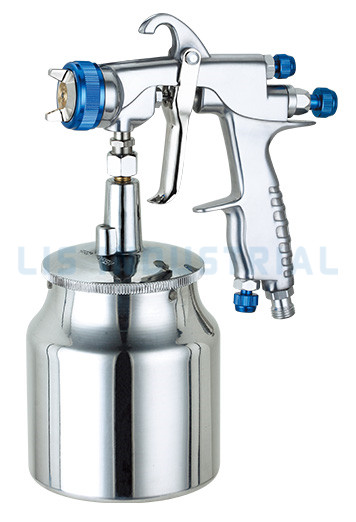
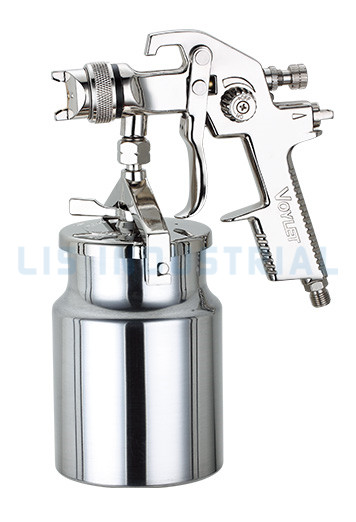
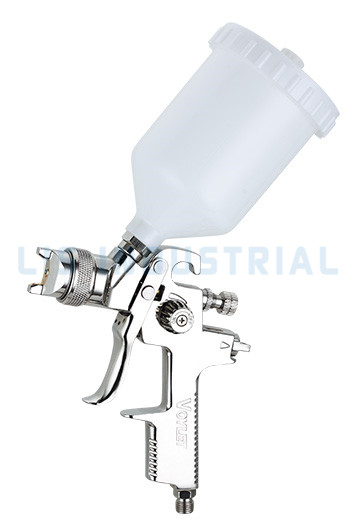
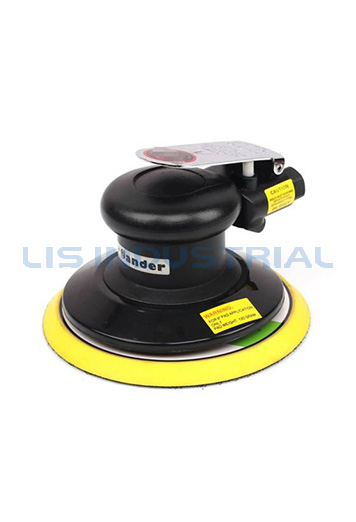
The plug is suitable for compressed-air connections used with air tools and spraying equipment. Typical applications may include air spray guns, paint sprayers, air brushes, mini compressors, pneumatic polishers, air blowing guns, tire inflating guns, and general workshop air lines. The final application should always be checked against the coupler type, working pressure, thread specification, hose size, and operating environment.
The key function of the product is simple: provide a secure, repeatable, and quickly detachable pneumatic connection. The practical value comes from how reliably it performs this function over repeated use. A good plug should connect smoothly with the correct coupler, remain locked during operation, help minimize air loss, and withstand routine workshop handling.
| Product item | JPF20 pneumatic fitting air compressor hose quick coupler plug |
| Product category | Japan Standard |
| Primary function | Quick connection for compressed-air hoses and pneumatic equipment |
| Common application areas | Spraying, vehicle service, woodworking, maintenance, assembly, and general workshops |
| Connection principle | Plug-in connection with a compatible quick coupler |
| Recommended users | Equipment distributors, maintenance teams, manufacturers, workshops, and OEM buyers |
| Important selection checks | Standard, coupler profile, thread, hose size, pressure rating, sealing method, and application environment |
3. Advantages of a Quick Coupler Plug
3.1 Faster Tool Changes
The most visible advantage of a quick coupler plug is reduced connection time. In a workshop, an operator may need to move between blowing debris from a workpiece, inflating a tire, cleaning a surface, operating a pneumatic sander, and spraying a coating. A quick coupler system makes these transitions faster than a threaded connection that must be tightened and loosened for every tool change.
Time savings become more significant in production environments. If a workstation changes tools many times per day, even a few seconds saved at each change can improve overall productivity. Faster tool replacement also reduces the temptation to leave a tool connected when it is not being used, helping operators maintain a more organized work area.
3.2 Improved Flexibility
A detachable plug allows one air supply to serve multiple devices. This flexibility is valuable for small workshops that do not want a dedicated compressor or permanent pipeline for every tool. It is also useful for mobile service equipment, where hoses and tools must be connected and disconnected regularly.
For distributors, the JPF20 can be included in a broader range of air accessories and pneumatic connection solutions. It can support product packages containing spray guns, hoses, filters, regulators, couplers, and other fittings. A complete accessory range makes it easier for customers to create compatible air systems from one supply source.
3.3 Support for Stable Air Delivery
A well-manufactured quick coupler plug helps maintain the continuity of the air passage between the hose and the connected equipment. Stable air delivery is important for pneumatic tools that depend on consistent pressure and flow. In spraying, inconsistent air supply may contribute to irregular atomization, uneven coating distribution, or changes in spray pattern.
The plug itself cannot correct an undersized compressor, restricted hose, incorrect regulator setting, or blocked filter. However, it should not introduce unnecessary restriction or leakage into an otherwise suitable system. For this reason, the selection of the correct standard and matching coupler is just as important as the quality of the plug.
3.4 Convenient Maintenance
Quick coupler systems simplify maintenance because components can be separated without extensive disassembly. A hose, spray gun, or pneumatic tool can be removed for cleaning or inspection while the main air line remains in place. This is especially helpful in paint shops, where spray equipment requires frequent cleaning and servicing.
Easy disconnection can also support preventive maintenance. Operators can inspect seals, clean connection surfaces, replace damaged hoses, and test individual tools more efficiently. A connection that is easy to access is more likely to be checked regularly than a permanent fitting hidden behind equipment.
3.5 Better Workplace Organization
Standardized quick connections help organize hoses and tools. Each workstation can be assigned a matching connector arrangement, reducing the need for improvised adapters. Clear organization lowers the risk of using incompatible components and makes it easier for operators to identify the correct hose or tool for a particular task.
4. Why Japan-Standard Compatibility Matters
Pneumatic couplers are not universally interchangeable. Different markets and equipment manufacturers may use different connection profiles, dimensions, locking mechanisms, and thread specifications. A plug that fits one coupler family may not connect correctly to another, even when both products are described generally as “quick couplers.”
The Japan Standard classification helps buyers narrow the selection to the correct product family. However, the term should be used together with a detailed compatibility check. Buyers should confirm the mating coupler profile, connection dimensions, thread type, hose requirements, pressure range, and application conditions before placing an order.
Correct compatibility provides several benefits. First, it helps prevent incomplete insertion, which can cause accidental disconnection. Second, it reduces the risk of leakage caused by a poor match between sealing surfaces. Third, it makes replacement parts easier to manage because the same connection standard can be used across a group of tools or workstations.
For international buyers, standard identification is particularly important. A customer may operate Japanese-standard equipment while sourcing hoses and accessories from another country. A professional supplier should clarify the intended standard before quotation and should be able to discuss drawings, samples, technical specifications, and application requirements.
Buyers should avoid selecting a plug solely because the outside appearance resembles an existing component. Dimensional differences that are difficult to see may affect insertion depth, locking performance, flow area, or sealing reliability. A sample confirmation or technical drawing review is recommended when the product is being used as a replacement or incorporated into a new assembly.
5. Typical Application Areas
5.1 Paint Spraying and Surface Finishing
Spray guns and paint sprayers require a dependable air supply. The JPF20 can be used as part of a connection system for compressed-air painting equipment when the matching coupler and system specifications are suitable. It may be applied in automotive refinishing, furniture finishing, metal coating, machinery painting, and general repair work.
In a professional paint environment, the air connection should be kept clean and free from coating material, dust, oil contamination, and moisture. The operator should use appropriate filtration and air treatment equipment, especially where the finish quality is critical. A clean quick connection supports the overall goal of delivering clean, controlled air to the spray gun.
5.2 Woodworking
Woodworking shops commonly use compressed air for spray finishing, dust removal, nailers, staplers, and cleaning operations. Quick coupler plugs make it easier to move a hose between tools and work areas. They also support flexible workshop layouts, which may change according to the size and shape of the workpiece.
Wood dust can enter exposed connectors if they are left uncapped in a dirty environment. Protective caps, regular cleaning, and proper storage can help extend service life. The plug should be disconnected before cleaning or maintenance, and the air supply should be isolated whenever the equipment is not in use.
5.3 Vehicle Service and Repair
Automotive workshops use compressed air for tire inflation, air blowing, pneumatic impact tools, sanders, polishers, and spray applications. A quick connection system allows a technician to move efficiently between service tasks. The JPF20 may be used in hose assemblies or tool connections when the applicable Japan-standard coupler is installed.
Vehicle service areas often expose fittings to oil, water, road dust, and mechanical impact. For this reason, the connector should be protected from dragging across the floor or being struck by heavy tools. Regular inspection is recommended, particularly when a hose is used in a high-traffic area.
5.4 General Industrial Maintenance
Factories use compressed air for assembly equipment, control systems, cleaning, material handling, and pneumatic actuators. Quick coupler plugs can support temporary connections during maintenance and testing. They can also be used on portable tools that are shared by several departments.
In industrial applications, the selection process should consider duty cycle, operating pressure, ambient temperature, exposure to chemicals, and the required connection frequency. A component suitable for occasional workshop use may not be appropriate for continuous production service unless its technical specifications support that duty.
6. Manufacturing Strengths Behind Reliable Pneumatic Fittings
The quality of a quick coupler plug depends on more than its external appearance. Consistent dimensions, controlled machining, suitable material selection, reliable surface treatment, effective sealing, and careful assembly all contribute to performance. The manufacturing organization behind the product therefore plays an important role in determining whether the component performs consistently from one batch to the next.
Ningbo Lis Industrial Co., Ltd. has been engaged in the research, development, manufacturing, and marketing of air painting spray guns, mini air compressors, and related air tools since 1984. Its experience in compressed-air equipment provides a useful foundation for producing and supplying pneumatic accessories such as Japan-standard fittings and quick coupler plugs.
The company operates from Ningbo, China, and has developed a substantial production base serving customers in Europe, North America, the Middle East, South Africa, East Asia, and other markets. Its reported facility covers more than 400,000 square feet and employs more than 400 people. This scale supports specialized production, quality management, engineering development, warehousing, and customer service.
The company also reports an annual output exceeding 40 million United States dollars and the ability to increase production capacity by approximately 30 percent within two months. For distributors and industrial buyers, scalable capacity can be important when demand changes or when a new product program requires a rapid increase in supply.
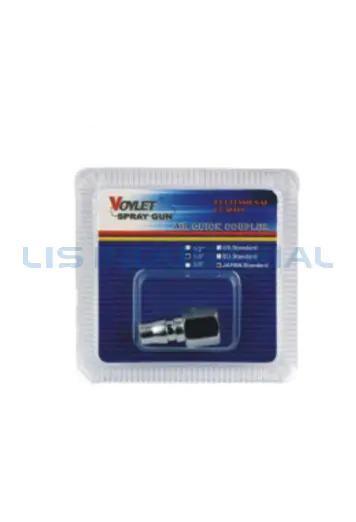
JPF20 Pneumatic fittings Air Compressor Hose Quick Coupler Plug+
7. Research, Development, and Engineering Support
A supplier of pneumatic fittings should understand how individual components function within complete air systems. Experience with spray guns, air tools, compressors, and air-line accessories allows engineering teams to evaluate not only the fitting itself but also the practical needs of the equipment to which it will be connected.
Ningbo Lis Industrial has established a spraying machinery engineering technology center and has conducted technical cooperation with an American spraying technology company. This background in spraying machinery can support product development for customers that require coordinated solutions rather than isolated components.
The company states that it maintains a strong research and development team and can provide OEM production based on customer drawings or samples. It also offers ODM services according to customer requirements. For the JPF20 or related fittings, such services may be valuable when a customer needs private labeling, packaging customization, a modified connection design, or integration into a larger air-tool program.
Engineering cooperation should begin with a clear definition of requirements. Useful information includes the intended coupler standard, mating component, working pressure, hose size, thread specification, operating temperature, media, expected service frequency, packaging needs, and target market. Samples and drawings can then be reviewed before mass production.
For replacement applications, the supplier should compare the proposed component with the original fitting. For new equipment, the supplier should review the complete air path and confirm that the connector does not create an avoidable restriction. This engineering approach is more reliable than selecting a fitting only by general appearance or nominal product name.
8. Quality Control and Production Management
Quality control is especially important for pneumatic fittings because small dimensional variations can influence connection security and sealing performance. A professional production process should control incoming materials, machining or forming operations, surface treatment, assembly, inspection, and final packing.
Ningbo Lis Industrial describes a quality system that includes raw-material control, incoming inspection, in-process quality control, functional testing, and final inspection of finished products. A process covering these stages helps identify potential defects before products reach the customer.
Incoming inspection verifies that materials and purchased components meet defined requirements. In-process controls monitor production conditions and dimensions during manufacturing rather than waiting until the end of the process. Functional testing can help confirm that the fitting performs its intended connection function. Final inspection provides an additional check before shipment.
For a quick coupler plug, relevant quality checks may include visual inspection, dimensional verification, thread inspection where applicable, surface condition, connection fit, locking behavior, air leakage testing, and packaging integrity. The exact inspection plan should be based on the product design and customer specification.
The company reports compliance with ISO9000 quality-system requirements and states that its products have passed CE and GS certifications where applicable. It also reports ISO9001, ISO14001, and OHSAS18001-related management certifications. Buyers should confirm the current certification scope and whether a particular product or order is covered by a required certification before purchase.
8.1 The Importance of Process Consistency
One of the main advantages of purchasing from an established manufacturer is process consistency. A fitting that performs well in a sample but varies significantly in mass production can create problems for distributors and equipment manufacturers. Consistent tooling, documented work instructions, trained personnel, and inspection records help reduce variation.
Process consistency also supports interchangeability. If a customer purchases replacement plugs at different times, the parts should continue to work with the same coupler family. This is important for industrial users who maintain inventories of spare parts or operate multiple workstations using the same pneumatic standard.
8.2 Traceability and Corrective Action
Industrial buyers may also value batch identification and corrective-action procedures. If a problem is identified in the field, the manufacturer should be able to investigate production records, determine the scope of the issue, and implement corrective measures. A mature quality system is not limited to inspecting finished products; it also provides a method for learning from customer feedback.
9. Product Advantages Compared with Generic Alternatives
Many pneumatic plugs appear similar, but generic alternatives can differ in ways that influence service performance. A product developed and supplied by a manufacturer with broad experience in air tools may offer advantages in application understanding, technical communication, and product coordination.
| Evaluation factor | Potential benefit of a professional Japan-standard plug | Risk with an unsuitable generic alternative |
| Standard compatibility | Designed for a defined Japan-standard connection family | Incomplete fit or inability to lock correctly |
| Connection reliability | Controlled dimensions and inspection support repeatable coupling | Leakage, difficult insertion, or accidental release |
| Air-system integration | Supplier can discuss hoses, tools, spray guns, and couplers together | Component may be selected without considering the complete system |
| Quality management | Incoming, in-process, functional, and final inspection procedures | Variable performance between batches |
| Customization | OEM and ODM support based on drawings, samples, or requirements | Limited ability to adapt packaging or design |
| Supply capacity | Established production base and scalable output | Unstable delivery during demand increases |
| Technical service | Support with selection, samples, and application questions | Little assistance when compatibility problems occur |
These advantages do not mean that every generic product is unsuitable. The correct comparison should be based on measurable requirements, including dimensions, materials, working conditions, test results, delivery performance, and total cost of ownership. A lower purchase price may not be economical if leakage, early replacement, downtime, or compatibility problems occur.
For professional users, the total value of a fitting includes installation time, maintenance requirements, service life, availability, and the cost of interrupted work. A reliable quick coupler plug can contribute to lower operating risk even when the component represents only a small part of the total equipment investment.
10. Installation Recommendations
10.1 Confirm the Correct Mating Coupler
Before installation, confirm that the plug and coupler belong to the same connection standard and profile. Do not force a plug into a coupler that does not accept it smoothly. If the parts do not mate correctly by hand, stop the installation and verify the specifications.
10.2 Inspect the Hose and Threads
Check the hose for cuts, hardening, cracks, bulges, or other damage. If the plug uses a threaded connection, inspect the thread on both the plug and the hose fitting. The thread type, size, and sealing method must be suitable for the application. Use an appropriate pneumatic sealant or sealing method where required, while keeping sealant away from the internal air passage.
10.3 Avoid Excessive Tightening
Over-tightening a threaded fitting can damage the thread, distort a sealing surface, or create stress in the connected component. Tighten the fitting according to the applicable technical guidance. If a torque specification is provided for the particular assembly, it should be followed.
10.4 Test Before Regular Operation
After installation, pressurize the system gradually and inspect the connection. Listen for escaping air and use an approved leak-detection method if necessary. Confirm that the plug locks into the coupler and that the hose does not pull free under normal handling. The system should be depressurized before any correction or reassembly.
10.5 Keep the Connection Clean
Dirt, metal chips, paint residue, and other particles can interfere with the locking mechanism or sealing surfaces. Wipe the plug before connection and use protective caps when the plug is not installed. Clean air filtration and drainage are also important because moisture and contamination can travel through the air line.
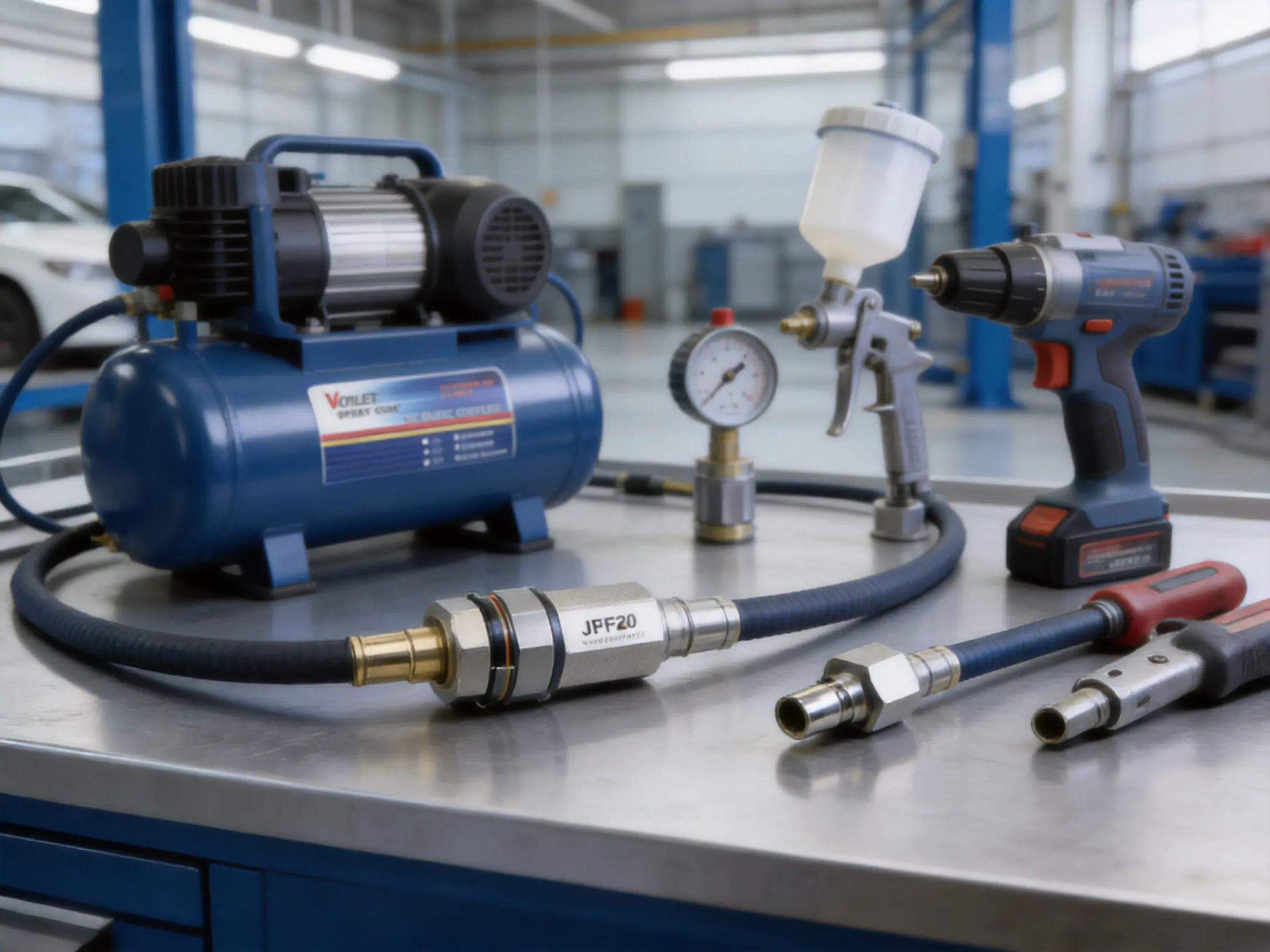
11. Maintenance and Service-Life Practices
Quick coupler plugs should be inspected as part of routine pneumatic-equipment maintenance. The inspection frequency depends on use, but high-cycle production areas may require daily or weekly checks. Occasional workshop users should still inspect the fitting whenever a hose or tool is connected.
Look for visible damage, corrosion, deformation, worn locking surfaces, damaged threads, and contamination. A plug that is difficult to insert or remove may indicate wear, dirt, damage, or a problem with the mating coupler. Do not continue using a connection that does not lock securely.
Air leakage should also be monitored. A small leak may appear insignificant, but leaks throughout a facility can increase compressor running time and energy consumption. When a leak is found, check the plug, coupler, hose, thread, and sealing elements rather than replacing only the most visible part.
When a plug is removed from service, depressurize the line first. Never disconnect a pressurized fitting unless the equipment has been specifically designed for that procedure and appropriate safety controls are in place. Sudden hose movement can cause injury or damage to nearby equipment.
Store spare plugs in a clean, dry location. Keep them protected from impact, chemical exposure, excessive heat, and dust. If products are stored for an extended period, use stock rotation so older inventory is used first, provided it remains within acceptable storage conditions.
12. Selection Guide for Buyers
Purchasing departments and technical managers should evaluate the following points before ordering the JPF20 or any similar quick coupler plug:
First, identify the required connection standard. Confirm that the application specifically calls for a Japan-standard fitting and determine which coupler profile is installed on the hose, tool, or air pipeline.
Second, confirm the connection dimensions and thread requirements. Nominal descriptions are not always sufficient, especially when components from different markets are being combined.
Third, review the working pressure and temperature conditions. The fitting must be appropriate for the compressor output and the operating environment. If the air contains oil, moisture, chemicals, or abrasive particles, the supplier should be informed.
Fourth, consider the frequency of connection and disconnection. A connector used several times per day in a small workshop may have different practical requirements from one used continuously in a high-volume assembly line.
Fifth, evaluate the mating components as a complete set. The plug, coupler, hose, regulator, filter, and tool should work together. A restriction or mismatch elsewhere in the system can limit performance even when the plug itself is correctly selected.
Sixth, clarify packaging and identification requirements. Distributors may need individual bags, carton labels, barcodes, private labels, multilingual instructions, or mixed-container packing. These requirements should be discussed before production begins.
Seventh, request samples or drawings for approval when the fitting is a critical replacement part or is being integrated into a new product. Sample approval can prevent costly compatibility problems during mass production.
13. Advantages for Distributors and OEM Customers
For distributors, a product line that includes Japan-standard fittings can serve customers who operate imported or Japan-origin pneumatic equipment. The JPF20 can be positioned as part of a broader accessory range covering spray guns, air compressors, hoses, pipeline components, air fittings, and pneumatic tools.
A broad product portfolio simplifies purchasing for customers. Instead of contacting several suppliers for a spray gun, hose, coupler, air regulator, and replacement fitting, the customer may obtain coordinated products from one experienced source. This can reduce communication time and make technical support more efficient.
OEM customers may benefit from product customization and private-label services. The manufacturer reports experience with OEM production based on customer drawings or samples and ODM development based on customer requirements. These capabilities are useful for wholesalers, equipment brands, automotive-tool suppliers, and industrial distributors seeking differentiated product packages.
Packaging customization can be important even when the technical product remains unchanged. A distributor may require a specific brand identity, retail package, instruction sheet, carton quantity, or regional labeling. These details should be managed through approved artwork, production samples, and documented packing standards.
Supply capability is another consideration. A supplier with a large manufacturing base, established quality systems, and international market experience may be better prepared to support repeat orders and seasonal demand. The reported ability to increase capacity within a relatively short period can help customers respond to market changes, although exact lead times should be confirmed for each order.
14. Safety Considerations
Compressed air can cause serious injury when misused. Operators should wear suitable eye protection and follow workplace safety procedures. Air should never be directed toward people, skin, clothing, or unprotected body parts. The quick coupler plug should be used only with equipment and pressure levels suitable for its intended application.
Before maintenance, isolate the compressor or air supply and release trapped pressure. Check that the hose is supported and that nearby equipment cannot move unexpectedly. If a plug, coupler, or hose shows damage, remove it from service instead of attempting to continue operation.
In spraying environments, safety requirements also include ventilation, respiratory protection, fire prevention, and correct handling of coating materials. The fitting is only one element of a safe spraying system. Users should follow the instructions for the spray gun, compressor, coating material, and workplace regulations.
When a fitting is used near chemicals, heat, sparks, or corrosive vapors, the user should confirm material and environmental compatibility with the supplier. Product information should be reviewed before use in specialized conditions.
15. Environmental and Operational Considerations
Compressed-air systems can consume significant energy, especially when leaks remain unrepaired or pressure is set higher than necessary. A well-maintained connection system helps reduce unnecessary air loss. Operators should use the lowest pressure that provides acceptable tool performance and should shut off unused branches when practical.
Reliable fittings may also support longer equipment life by reducing repeated rework and minimizing contamination from loose or damaged connections. Proper maintenance, repair, and replacement are generally more efficient than allowing a small pneumatic problem to develop into a larger system failure.
The manufacturer reports environmental management certification and a commitment to controlled production processes. Buyers that have environmental procurement policies may request current documentation concerning materials, packaging, energy management, and applicable regulatory requirements.
16. Why Manufacturer Experience Matters
A company that focuses on air painting spray guns, compressors, and related air tools develops practical knowledge of compressed-air performance. This knowledge can influence fitting design, application support, quality inspection, and product integration.
Ningbo Lis Industrial has operated in the industry since 1984 and has developed international brands including Voylet and Muzi. It reports customers in multiple global markets and long-term cooperation with international partners. This experience can help the company understand differences in market requirements, packaging expectations, product documentation, certification needs, and distribution models.
The company also reports recognition as a national high-tech enterprise, an advanced customs certification enterprise, a Ningbo individual-item champion, and a provincial engineering and technology center. Such qualifications indicate an emphasis on technical development, production capability, and organizational management, although buyers should review current certificates and scope when formal verification is required.
For the JPF20, the most relevant benefit is the combination of product specialization and manufacturing infrastructure. A quick coupler plug may be a small accessory, but its performance is affected by the same fundamentals that apply to larger pneumatic products: accurate engineering, stable materials, controlled production, inspection, and responsive technical support.

17. Recommended Quality-Verification Process
Businesses purchasing the JPF20 for resale or equipment assembly can establish a simple verification process. Begin by confirming the technical specification and matching coupler. Record the approved sample, including dimensions, appearance, connection behavior, and packaging.
During incoming inspection, verify product identification, quantity, packaging condition, and any critical dimensions defined in the purchasing specification. A representative sample can be connected to an approved coupler to check insertion and locking performance. If the fitting is used in a high-risk or high-volume application, the buyer may also define an air-leakage or pressure-holding test.
Keep records of supplier batch numbers and inspection results. If a problem is found, separate the affected inventory and contact the supplier with photographs, samples, test conditions, and purchase information. Clear data makes technical investigation faster and helps prevent confusion between the plug, coupler, hose, and other system components.
For ongoing supply, periodic sample comparison is useful. Check that new deliveries remain compatible with the approved reference sample. This is particularly important when the product is purchased from different production periods or when packaging, raw materials, tooling, or manufacturing locations change.
18. Frequently Asked Questions
Q1: What is the JPF20 used for?
The JPF20 is a pneumatic fitting and quick coupler plug for compressed-air hose and equipment connections. It can be used in applications such as spraying, vehicle service, woodworking, maintenance, and general pneumatic-tool operation when the matching Japan-standard coupler and system specifications are suitable.
Q2: Is the JPF20 compatible with every quick coupler?
No. Quick couplers use different standards and profiles. The JPF20 should be matched with the appropriate Japan-standard coupler. Buyers should confirm the exact profile, dimensions, thread, hose connection, and pressure requirements before use.
Q3: Can the plug be used with a paint spray gun?
It may be used as part of a spray-gun air connection when the spray gun, hose, and coupler are compatible. The user should also confirm that the compressor, regulator, filter, hose diameter, and air quality meet the spray gun requirements.
Q4: What should be checked before installation?
Check the connection standard, mating coupler, thread specification, hose condition, pressure requirements, sealing method, and environmental conditions. Inspect the plug for damage and keep all connection surfaces clean.
Q5: How can air leakage be reduced?
Use a correctly matched plug and coupler, install threaded connections properly, avoid damaged hoses, keep sealing surfaces clean, and inspect the connection after pressurization. Replace worn or damaged components promptly.
Q6: Can the product be supplied under a private label?
The manufacturer reports OEM services based on customer drawings or samples and ODM services based on customer requirements. Private-label packaging and product arrangements should be discussed with the supplier before order confirmation.
Q7: Can the manufacturer support large orders?
The company reports a large production base, more than 400 employees, international supply experience, and the ability to increase production capacity by approximately 30 percent within two months. Actual capacity, lead time, minimum order quantity, and packaging conditions should be confirmed for the specific order.
Q8: What certifications are available?
The company reports CE and GS product certifications and ISO-related management certifications. Certification requirements vary by market and product. Buyers should request current documents and confirm that the relevant certificate applies to the product and intended application.
Q9: How should unused plugs be stored?
Store them in a clean, dry environment protected from dust, impact, moisture, excessive heat, and chemical exposure. Keep protective packaging in place until installation and use stock rotation for stored inventory.
Q10: What information should be included in a quotation request?
Include the required standard, product name or reference, mating coupler information, quantity, hose or thread requirements, operating pressure, application, packaging, certification needs, delivery location, and any drawing or sample reference. Complete information helps the supplier provide a more accurate proposal.
19. Conclusion
The JPF20 Japan-standard pneumatic fitting air compressor hose quick coupler plug provides a practical way to create fast, flexible, and maintainable compressed-air connections. Its value is particularly clear in workshops and production environments where hoses, spray guns, and pneumatic tools must be changed frequently.
Successful performance depends on correct standard selection, matching coupler design, suitable hose and thread specifications, clean installation, regular inspection, and responsible pressure management. The plug should be evaluated as part of a complete air system rather than as an independent component.
Ningbo Lis Industrial combines long-term experience in spray guns, compressors, air tools, and related accessories with research and development, OEM and ODM capabilities, international supply experience, and documented quality-management practices. These strengths can help distributors, industrial users, and equipment manufacturers source compatible pneumatic fittings while receiving broader technical and production support.
For buyers seeking a Japan-standard quick connection, the recommended approach is to confirm the exact coupler profile, review drawings or samples where necessary, define inspection requirements, and communicate the application conditions clearly. With the correct specification and proper maintenance, the JPF20 can contribute to reliable air-tool operation, efficient tool changes, and a more organized compressed-air system.
References
1. ISO 9001, Quality Management Systems: Requirements.
2. ISO 14001, Environmental Management Systems: Requirements with Guidance for Use.
3. ISO 4414, Pneumatic Fluid Power: General Rules and Safety Requirements for Systems and Their Components.
4. Occupational Safety and Health guidance concerning compressed-air equipment and pneumatic tools.
5. Manufacturer-provided product and company information for the JPF20 Japan-standard pneumatic fitting and related air-tool products.
6. General engineering principles for pneumatic hose assemblies, quick couplers, air preparation, leakage prevention, and preventive maintenance.