 Search

 English
 中文简体
 Deutsch
 Español
Content
- 1 Designed for Precise Touch-Up Work
- 2 Key Specifications and Their Practical Meaning
- 3 Advantages for Professional Touch-Up Applications
- 4 Applications Across Different Industries
- 5 How the DK3 Compares with Alternative Spray Tools
- 6 Manufacturing Strengths Behind the Product
- 7 Production Considerations for a Reliable Spray Gun
- 8 Operating Guidance for Better Results
- 9 Safety and Responsible Use
- 10 Purchasing and Supply Advantages
- 11 Why the DK3 Is a Strong Choice for Focused Repair
- 12 Frequently Asked Questions
- 12.1 What type of work is the DK3 designed for?
- 12.2 What is the nozzle size?
- 12.3 What is the cup capacity?
- 12.4 What air pressure does the gun use?
- 12.5 What does gravity feed mean?
- 12.6 What kind of compressor is required?
- 12.7 Can the DK3 spray every type of paint?
- 12.8 Is the DK3 suitable for large panels?
- 12.9 How should the gun be cleaned?
- 12.10 What is the air inlet size?
- 12.11 Can the manufacturer provide OEM or ODM services?
- 12.12 How is the product packaged?
- 13 Conclusion
- 14 References
- 15 Product: DK3 Pro Touch-Up Spray Gun Small Range Paint Repair Fine Airbrush
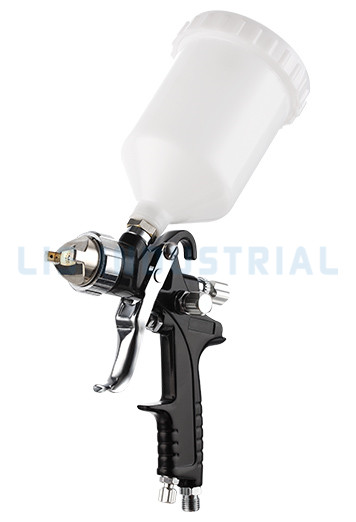
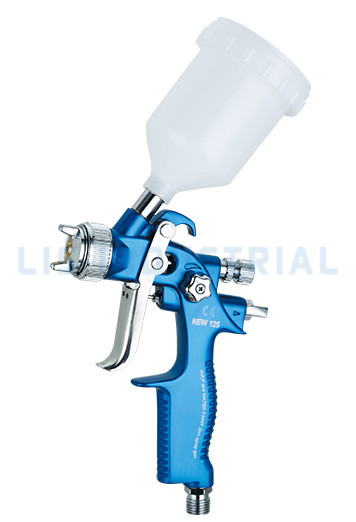
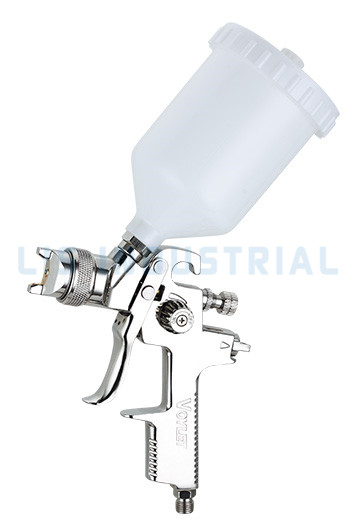
Small-area paint repair demands a different kind of spraying tool from large-surface coating. A full-size spray gun may deliver high productivity on vehicle panels, furniture, machinery, and architectural surfaces, but it can be unnecessarily large and difficult to control when the task involves a localized scratch, a narrow edge, a small component, or a carefully blended repair zone. The DK3 Pro Touch-Up Spray Gun is designed for these situations. It combines a compact fine-airbrush format with gravity-feed material delivery, a 0.5 mm fluid nozzle, a 125 ml cup, and a working air pressure of 50 PSI.
Produced by Ningbo Lis Industrial Co., Ltd., the DK3 is positioned within the professional touch-up spray gun category. Its design is intended to help operators apply primers, color coats, clear coats, detail finishes, and other suitable coating materials with controlled atomization and reduced overspray. The gun is particularly relevant to automotive repair, woodworking, model finishing, equipment maintenance, sign production, furniture restoration, and other applications where accuracy matters more than maximum coverage.
A small repair tool must do more than simply reduce physical size. It must provide a useful balance between atomization, material economy, operator comfort, cleaning efficiency, and repeatability. The DK3 addresses these practical requirements through its gravity-feed configuration, fine nozzle size, compact cup capacity, standard air inlet, and compatibility with common compressed-air systems. These features make it a useful option for professionals, maintenance teams, workshops, and experienced users who need a focused spray pattern rather than the broad output of a conventional production gun.
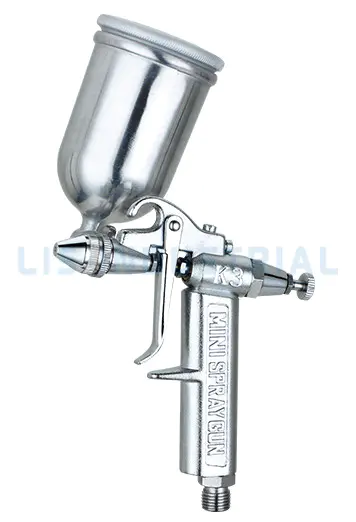
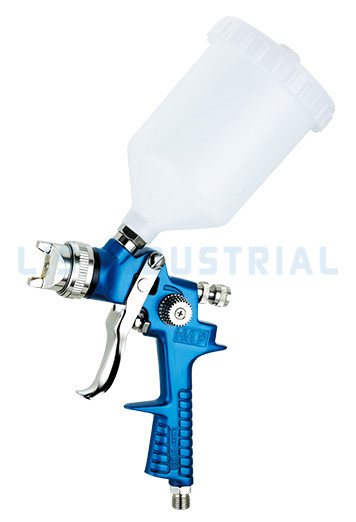
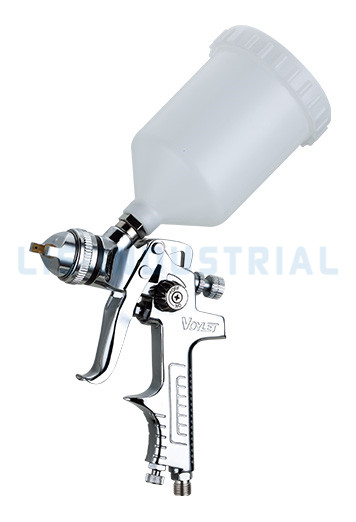
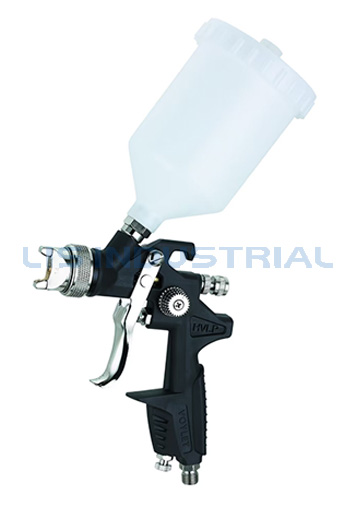
DK3 Pro Touch-Up Spray Gun Small Range Paint Repair Fine Airbrush
Designed for Precise Touch-Up Work
The primary purpose of the DK3 is controlled small-range spraying. Touch-up work is often performed after a larger finishing process has already been completed. The operator may need to repair a stone chip, blend a color transition, coat a narrow section, refinish a small wooden part, or apply a final protective layer to a localized surface. In each case, the quality of the result depends on the ability to place the coating accurately without flooding surrounding areas.
The 0.5 mm fluid nozzle is a central part of this design. A nozzle of this size supports a fine spray suitable for detail applications when the coating has been correctly prepared and adjusted. Compared with a larger nozzle, the smaller opening can help the operator work with a narrower and more controlled volume of material. This is valuable when the target area is small or when the surrounding finish must remain undisturbed.
Fine spraying also requires discipline. The coating must have a suitable viscosity, the air supply must be stable, and the operator must maintain an appropriate distance and travel speed. The DK3 provides the hardware for precise application, while final results depend on material preparation, environmental conditions, gun adjustment, and operator technique. This combination of equipment and process control is what makes a professional touch-up system effective.
The gun’s 125 ml gravity cup is well suited to small batches of coating. A compact cup prevents the operator from having to prepare a large quantity of material for a limited repair. It also keeps the gun relatively light compared with a large-capacity spray system. For color matching and small refinishing jobs, users can mix only the amount needed for the immediate task, helping reduce unused material and simplifying cleanup.
Gravity feed places the coating above the spray head, allowing material to move toward the nozzle through gravity and the pressure differential created by the air stream. This arrangement is widely used in detail and repair spraying because it can support efficient material transfer at relatively modest quantities. It is especially convenient when changing colors or working with small volumes during a sequence of localized repairs.
Key Specifications and Their Practical Meaning
The DK3 has a straightforward specification profile. Its values are focused on small-range work rather than high-volume production. Understanding each specification helps purchasers select the correct tool for their application and avoid using a fine touch-up gun beyond its intended operating range.
| Specification | DK3 Value | Practical Significance |
|---|---|---|
| Fluid nozzle | 0.5 mm | Supports fine and controlled application for detail repair and small surfaces |
| Recommended air pressure | 50 PSI | Provides a defined operating reference for atomization and spray control |
| Cup capacity | 125 ml | Suitable for small coating batches and localized repair work |
| Feed type | Gravity | Efficient for small material quantities and frequent color or coating changes |
| Air inlet | G1/4 inch | Compatible with widely used compressed-air connections and accessories |
| Carton packing | 20 pieces per carton | Suitable for organized distribution, wholesale supply, and workshop procurement |
| Carton dimensions | 47 x 35.5 x 29 cm | Provides a defined logistical reference for storage and shipment planning |
The 50 PSI air-pressure specification gives users a practical starting point for setup. Actual operating conditions can vary according to coating viscosity, hose length, compressor capacity, regulator accuracy, and the desired spray pattern. A stable pressure supply is important because fluctuations can alter atomization and make a fine repair more difficult to reproduce. The gun should therefore be used with a suitable regulator, a clean air line, and a compressor capable of maintaining the required pressure during spraying.
The G1/4 inch air inlet is another practical advantage. This connection size is common in air-tool and spray-equipment systems, making it easier to integrate the gun into an existing workshop installation. Users can select suitable hoses, regulators, filters, couplers, and adapters without relying on an unusual connection standard. Compatibility with common accessories can simplify procurement and reduce the need to redesign an air distribution system.
Advantages for Professional Touch-Up Applications
Fine Application with a Compact Nozzle
The 0.5 mm nozzle gives the DK3 a clear role in detailed coating work. It is intended for situations where the operator needs a fine output and controlled deposition rather than the broad fan associated with larger automotive or industrial spray guns. This can help reduce the risk of coating beyond the repair area, particularly when the operator is working around trim, edges, small panels, decorative features, or finished surfaces that should not be disturbed.
Compared with a general-purpose spray gun equipped with a larger nozzle, a fine touch-up gun can offer better suitability for localized corrections. The advantage is not simply that the nozzle is smaller. The complete gun format, cup size, and operating pressure are selected around low-volume precision work. This gives the operator a more appropriate tool for the scale of the job.
Reduced Material Preparation for Small Jobs
The 125 ml cup allows a user to prepare a limited amount of coating without filling a large reservoir. This is useful when working with expensive automotive colors, specialty finishes, custom-mixed stains, primers, or clear coats. Smaller preparation quantities may help reduce waste caused by leftover material that cannot be stored or reused.
A smaller cup can also improve workflow during a series of separate touch-up tasks. The operator can clean the gun and prepare another small batch without handling a large amount of material. When several colors are required, the compact format can make transitions more manageable. Proper cleaning remains essential, but the quantity of coating inside the system is easier to control.
Gravity Feed for Efficient Small-Volume Spraying
Gravity feed is well suited to repair work because the coating is supplied directly from the cup above the nozzle. The system does not depend on a large remote tank or a long suction tube to move a small quantity of material. This can simplify setup and make the gun convenient for short jobs, mobile repair stations, and workshops where operators frequently switch between different tasks.
For a professional user, efficient material delivery also contributes to process consistency. When the cup is correctly filled and the coating is properly mixed, the operator can work through the repair area with a predictable supply. This supports controlled passes and helps avoid the interruptions that can occur when a larger system is used for a very small job.
Balanced Format for Detail Work
A compact touch-up gun is easier to position around small or complex surfaces. The operator can approach corners, narrow components, curved parts, and localized damage without the same physical restrictions associated with a larger spray gun. This does not eliminate the need for correct technique, but it provides a format that matches the scale of the work.
The smaller design can also be useful where access is limited. Repair technicians may need to work inside a workshop, near assembled components, or around surfaces that cannot easily be removed. A focused spray tool gives them greater flexibility when the repair cannot be performed on a large open panel or dedicated finishing line.
Applications Across Different Industries
Automotive Repair and Refinishing
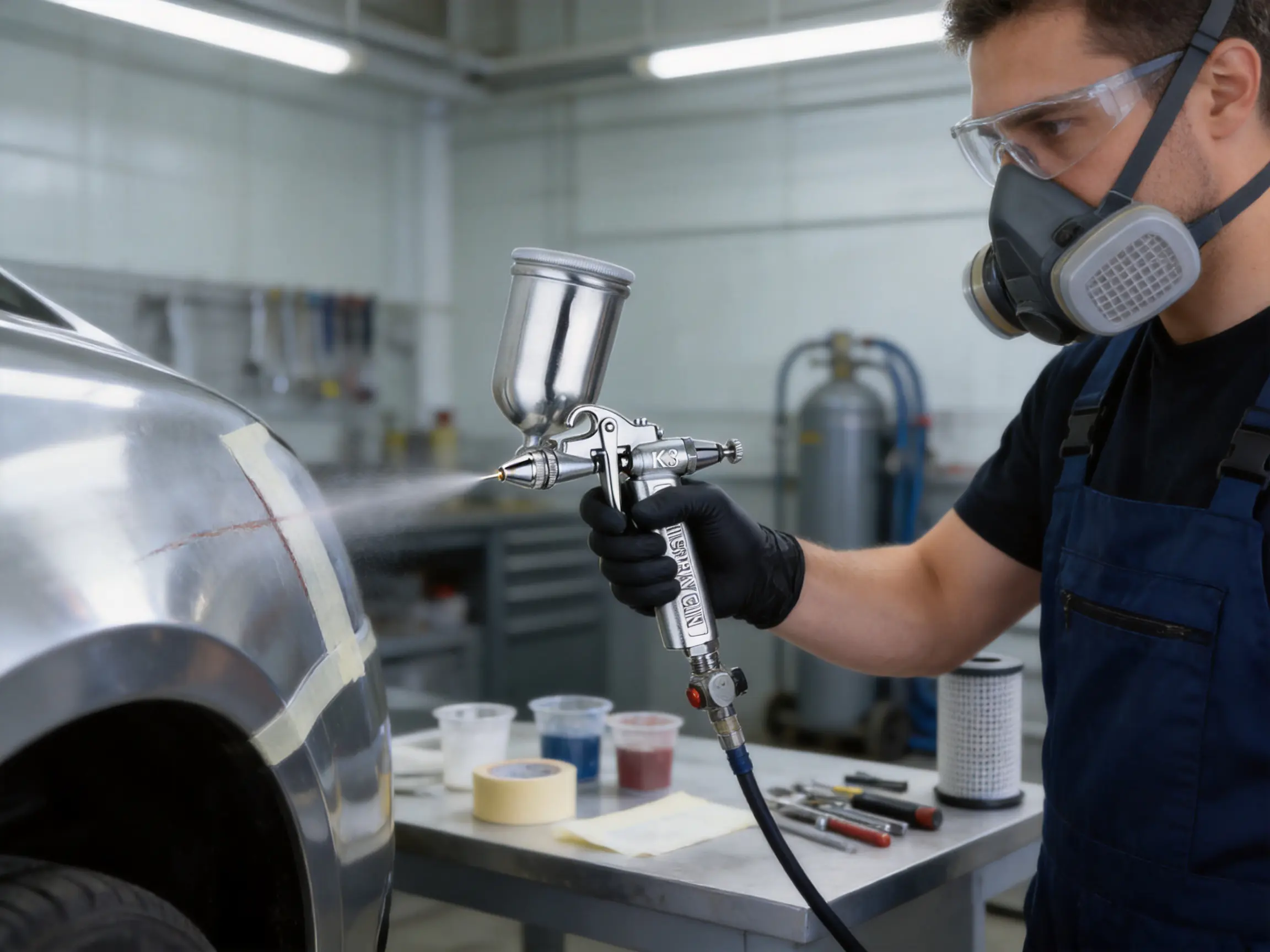
Automotive touch-up is one of the most natural applications for the DK3. It can be used for localized paint repair, blending work, small body defects, wheel details, motorcycle components, trim pieces, and selected refinishing operations. The fine nozzle supports controlled application where excessive material could create runs, uneven edges, or unnecessary overspray.
The gun may also be useful for spot priming before color application. A technician can apply a small amount of compatible primer to a prepared repair zone, allow it to cure, and then continue with color and clear coat stages. Each material must be confirmed as suitable for the equipment and the surface, and the user should follow the coating manufacturer’s instructions for reduction, flash time, and safety.
Color blending requires especially careful technique. The operator must gradually extend the application beyond the repair area while controlling material flow and gun distance. A fine touch-up gun can make this process more manageable, but it cannot replace accurate color matching, proper surface preparation, or correct curing conditions. The DK3 is best viewed as a precision delivery tool within a complete refinishing process.
Woodworking and Furniture Restoration
Woodworkers and furniture restorers often need to coat small components, repair localized discoloration, apply toner, finish carved details, or refinish edges. A large spray system may be inefficient for a single chair component, cabinet trim, drawer front, decorative molding, or repaired section of veneer. The DK3’s small cup and fine nozzle can be appropriate for these tasks when the product being sprayed is compatible with the nozzle and pressure requirements.
In woodworking, surface preparation is particularly important. Dust, fibers, oil, and sanding residue can affect the final finish. The user should clean the surface, choose the correct abrasive sequence, and ensure that the coating is properly filtered and mixed. With a stable air supply and controlled movement, the DK3 can support thin, even coats that preserve detail instead of obscuring it.
Equipment and Machinery Maintenance
Industrial maintenance teams frequently repair small painted components, control panels, guards, brackets, covers, and machine parts. These jobs may require a localized protective or decorative coating without sending the entire assembly to a separate finishing area. A portable gravity-feed touch-up gun can help maintenance personnel respond quickly to small defects and restore the appearance of equipment.
The tool can be useful for applying compatible primers, industrial colors, protective topcoats, and corrosion-control materials in limited areas. However, users must confirm that the coating’s solids content and viscosity are appropriate for a 0.5 mm nozzle. Heavy or highly filled products may require a larger nozzle or a different spraying system.
Craft, Model, and Decorative Finishing
Model makers, sign specialists, prop builders, and decorative finishers often work with small parts that require a clean and deliberate coating. A fine spray tool can help apply base colors, shading, gradients, protective layers, and selected effects. The compact cup is helpful when the project uses multiple colors in small quantities.
For these applications, the operator benefits from a clean air supply and careful testing on scrap material. Small changes in reduction ratio, air pressure, distance, and trigger control can significantly affect the result. The DK3 gives users the adjustment platform needed for experimentation while maintaining a professional spray-gun format.
How the DK3 Compares with Alternative Spray Tools
Product selection should be based on the job rather than on a single headline specification. The DK3 has advantages when the work involves small areas, modest coating quantities, and a need for controlled atomization. It is not intended to replace every other spray technology. Instead, it fills a specific performance gap between a conventional full-size spray gun and a very small airbrush.
| Tool Type | Typical Strength | Potential Limitation for Small Repair | DK3 Position |
|---|---|---|---|
| Full-size conventional spray gun | Broad coverage and high output | May deliver too much material for a small repair and require greater masking | More focused and economical for localized work |
| Large-capacity gravity spray gun | Suitable for panels and larger surfaces | Heavier setup and unnecessary cup capacity for short jobs | Uses a compact 125 ml cup for small batches |
| Airless spray gun | High production output and thick-material capability | Often excessive for fine touch-up and may require more complex control | Offers a lower-volume air-atomizing approach |
| Basic hobby airbrush | Very fine detail and low material use | May have limited coating capacity and less suitability for workshop repair materials | Provides a more substantial spray-gun format with a 125 ml cup |
| Electric handheld sprayer | Portable operation without a separate compressor | Can be less convenient where compressed air is already available and may be less precise for fine repair | Uses a standard compressed-air connection and adjustable workshop infrastructure |
Compared with a larger conventional gun, the DK3’s main advantage is proportionality. The tool is matched to the scale of the repair. Operators can work with a smaller batch of coating, use a narrower output, and position the gun more easily around a limited target area. This may reduce overspray, cleanup, and unnecessary material consumption when the correct technique is applied.
Compared with a basic hobby airbrush, the DK3 provides a more workshop-oriented configuration. Its 125 ml cup is larger than the reservoir commonly associated with very fine detail airbrushes, while the G1/4 inch inlet supports integration with standard air-tool equipment. This makes the gun relevant to professional repair environments that require more than artistic micro-detail.
Compared with an electric sprayer, the DK3 is attractive to users who already operate a compressor and want direct control over regulated compressed air. A pneumatic system can be integrated with filters, regulators, and air-line accessories selected for the workshop’s needs. The trade-off is that the user must provide clean, dry, and adequately pressurized air.
Manufacturing Strengths Behind the Product
The performance of a spray gun depends on more than its visible shape. Nozzle accuracy, internal passages, sealing quality, trigger response, surface finish, assembly consistency, and functional testing all influence the user’s experience. Ningbo Lis Industrial Co., Ltd. has developed its manufacturing operations around air painting spray guns, mini compressors, and related air tools since its establishment in 1984.
The company operates from Ningbo, China, and has developed a large production base covering more than 400,000 square feet. Its workforce includes more than 400 employees, with production and engineering resources dedicated to spraying equipment and related products. The company reports annual output exceeding 40 million US dollars and serves customers in Europe, North America, the Middle East, South Africa, East Asia, and other international markets.
This scale provides several potential benefits for the DK3 and similar products. A substantial manufacturing organization can support dedicated purchasing, production planning, engineering, quality control, packaging, export coordination, and customer service. It can also maintain production continuity when customers require repeated supply or different order quantities.
The company states that production capacity can be increased by 30 percent within two months when required. For distributors and professional buyers, scalable capacity can be important because demand for touch-up equipment may vary by season, project, market, or sales channel. A supplier with the ability to adjust output can help customers plan inventory with greater confidence.
Research, Development, and Engineering
Product development is another reported strength. The company maintains a research and development team and provides both OEM and ODM support. OEM production can be arranged according to customer drawings or samples, while ODM services can be developed according to customer requirements. This capability is valuable for importers, distributors, private-label businesses, and industrial users who require a particular configuration, package, marking system, or accessory combination.
The company has established a spraying machinery engineering technology center and has carried out technical cooperation with American spraying technology specialists. Such cooperation reflects an emphasis on improving spray-equipment design and manufacturing knowledge. For a precision product like the DK3, engineering experience can support improvements in atomization, ergonomic handling, component compatibility, and production repeatability.
A capable engineering team is also important when customers request modifications. Different markets may require alternative air connections, packaging standards, labeling, nozzle configurations, spare parts, or documentation. A manufacturer with in-house development resources is better positioned to evaluate these requirements than a trading organization that only resells finished products.
Process Control and Quality Assurance
The company describes a quality system that controls the product lifecycle from raw-material and incoming inspection through in-process quality control, functional testing, and final inspection. For spray guns, these stages are meaningful because a small defect in a nozzle, needle, air cap, seal, or threaded connection can affect the spray pattern and the user’s ability to adjust the gun.
Incoming inspection helps ensure that purchased components and raw materials meet defined requirements before they enter production. In-process inspection can identify assembly problems before the product reaches final packaging. Functional testing provides an opportunity to verify key operating characteristics, while final inspection helps confirm that finished units meet appearance, assembly, and packaging expectations.
The company reports that its products have passed CE and GS certifications, as applicable to relevant products and markets. It also reports certification to ISO9001, ISO14001, and OHSAS18001 management-system standards. Buyers should review current certificates, product-specific applicability, and destination-market requirements before placing an order, but these reported systems demonstrate an organizational focus on quality, environmental management, and occupational health and safety.
For international customers, quality-system discipline can be as important as the product specification itself. Consistent quality reduces the risk of variation between batches, supports distributor reputation, and makes it easier for end users to learn one product and continue using it. This is particularly relevant for spray guns, where small changes in component fit or adjustment behavior can influence application results.

Production Considerations for a Reliable Spray Gun
A spray gun requires precise interaction among multiple parts. The fluid nozzle, needle, air cap, fluid passage, air passage, cup, trigger, and adjustment components must work together. If the nozzle and needle do not seat correctly, material may leak or the spray may become unstable. If the air cap is not aligned or cleaned, the pattern may become uneven. If the cup connection is not secure, coating may escape or air may enter the material path.
Manufacturing control therefore begins with dimensional consistency. Components must be produced and inspected within appropriate tolerances. Assembly personnel must follow repeatable procedures. Threaded connections must be checked, seals must be installed correctly, and moving parts must operate without excessive resistance. These details are not always visible in a product photograph, but they influence service life and application quality.
Surface treatment and corrosion resistance also matter. A spray gun is exposed to solvents, thinners, water-based products, pigments, and cleaning agents. Materials and finishes must be selected to tolerate the products for which the gun is intended. Users should always follow the manufacturer’s recommendations regarding compatible chemicals, cleaning methods, and storage conditions.
Functional testing is especially valuable for pneumatic spray equipment. A test can confirm that air passes through the correct channels, that material delivery is controlled, that the trigger operates properly, and that the assembled gun produces an acceptable pattern. The company’s stated 100 percent functional testing approach indicates an emphasis on checking each finished unit rather than relying solely on sample testing.
Operating Guidance for Better Results
Prepare the Air Supply
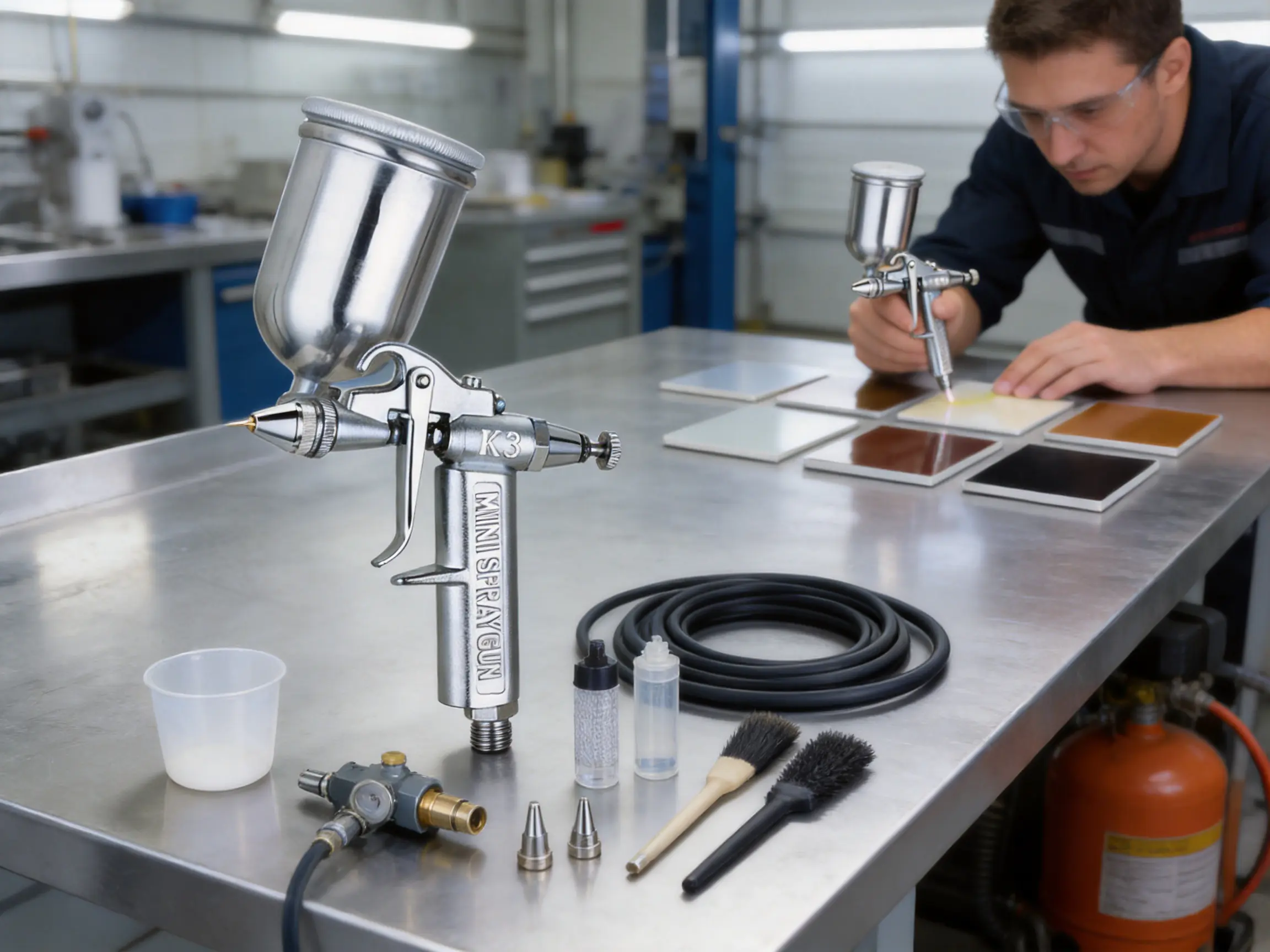
The DK3 should be connected to a clean and stable compressed-air system. Moisture, oil, rust particles, and dirt in the air line can contaminate the coating or interfere with atomization. A suitable filter and regulator should be installed, and the hose should be checked for leaks or internal contamination. The compressor must have sufficient capacity to maintain usable pressure during spraying.
Set the pressure according to the product specification and then test the spray on a suitable sample surface. The stated 50 PSI value provides a reference point, but the final setting may require adjustment according to the coating, material reduction, hose arrangement, and desired pattern. Any adjustment should be made gradually rather than through large changes.
Prepare and Filter the Coating
The coating should be mixed according to the instructions supplied by its manufacturer. Viscosity has a direct effect on atomization. Material that is too thick may produce poor flow, spitting, or an uneven pattern, while material that is too thin may run, lose hiding power, or create excessive overspray. When appropriate, filter the mixed coating before filling the cup.
Only compatible materials should be used. Some coatings contain solvents or solids that may damage seals, clog a fine nozzle, or create a health and safety risk. The 0.5 mm nozzle is best suited to materials that can pass through a fine fluid path after correct preparation. Users should not force thick products through the gun simply because the material appears liquid.
Use Correct Spraying Technique
Maintain a consistent distance from the surface and move the gun smoothly. Start the movement before opening the fluid flow and release the trigger before stopping the movement. This helps reduce heavy deposits at the beginning and end of each pass. Overlap passes evenly when a larger repair zone is being covered, but avoid excessive overlapping that can create a wet edge or run.
For small repairs, it is often better to build coverage through several controlled coats than to apply one heavy coat. Allow appropriate flash time between coats. A fine nozzle can deliver a precise application, but an operator who moves too slowly or holds the gun too close can still overload the surface. Testing on scrap material is a simple way to confirm the relationship between pressure, fluid adjustment, distance, and travel speed.
Clean the Gun Promptly
Cleaning should begin immediately after spraying. Do not allow coating to dry inside the nozzle, air cap, needle area, or fluid passage. Empty remaining material into an approved container, wipe the cup, and flush the fluid path with a compatible cleaning solution. Remove and clean relevant components according to the equipment instructions.
A fine 0.5 mm nozzle can be particularly sensitive to dried residue. Never use sharp objects that may damage the nozzle opening or alter its shape. Use appropriate soft cleaning tools and inspect the nozzle, needle, air cap, and seals before reassembly. After cleaning, store the gun in a dry, protected location.
Safety and Responsible Use
Spray coatings can contain solvents, pigments, isocyanates, or other substances that require controlled handling. Operators should read the safety data sheet for every material and use the personal protective equipment specified for that product. Adequate ventilation or an approved spray booth is essential. Respiratory protection, eye protection, gloves, and suitable protective clothing may be required.
Compressed air can cause injury if directed toward the body or used carelessly. Disconnect the air supply before servicing or disassembling the gun. Relieve pressure before cleaning. Keep the workspace free of ignition sources when flammable materials are being used, and follow all local requirements for storage, waste disposal, and ventilation.
Responsible use also includes minimizing overspray and disposing of coating residue correctly. The DK3’s small cup and fine nozzle can help reduce unnecessary material use when operated properly, but environmental performance depends on the complete process. Efficient mixing, controlled passes, regular maintenance, and proper waste management all contribute to a more sustainable workshop.
Purchasing and Supply Advantages
For distributors, wholesalers, and professional buyers, product performance is only one part of the purchasing decision. Supply reliability, packaging, technical support, customization, quality documentation, and after-sales communication also affect the total value of a spray gun program. The DK3 is supplied in cartons of 20 pieces, with carton dimensions of 47 by 35.5 by 29 centimeters. This gives buyers a clear starting point for warehouse planning and shipment calculations.
The manufacturer’s broad product portfolio includes conventional spray guns, HVLP spray guns, heavy-duty guns, woodworking low-pressure guns, texture guns, washing guns, air-blowing guns, sandblast and foam guns, tire inflating guns, water and grease guns, automatic spray guns, airbrushes, compressors, air fittings, paint tanks, polishers, spray-gun kits, airless spray guns, electric spray guns, and paint sprayers. This range allows customers to source multiple categories from one experienced air-tool supplier.
A broad portfolio can also support system-level purchasing. A customer may require a fine touch-up gun for repairs, a larger spray gun for panels, a compressor for air supply, regulators and filters for preparation, and accessories for maintenance. Working with a manufacturer that understands these connected requirements can simplify product selection and technical communication.
The company’s established international marketing and service network supports customers in multiple regions. Its products are reported to be sold across Europe, North America, the Middle East, South Africa, East Asia, and other markets. International experience can help a supplier understand differences in packaging, documentation, standards, distributor expectations, and application practices.
Why the DK3 Is a Strong Choice for Focused Repair
The DK3 Pro Touch-Up Spray Gun stands out through the consistency of its purpose. It is not presented as a universal replacement for every spray system. Instead, it is designed for controlled, small-range applications where a 0.5 mm nozzle, 125 ml gravity cup, and 50 PSI air reference provide a practical balance between precision and productivity.
Its advantages over larger competitors or general-purpose alternatives include a more suitable scale for localized repairs, a compact material reservoir, an efficient gravity-feed arrangement, and a standard G1/4 inch air inlet. These features can help professional users prepare smaller coating quantities, reduce unnecessary setup, improve access around detailed surfaces, and integrate the gun with existing compressed-air equipment.
Its advantages over very small hobby airbrushes include a more substantial workshop configuration and a larger 125 ml cup. This gives the operator greater flexibility for repair coatings and small refinishing jobs while retaining the benefits of fine atomization. The product is therefore positioned between ultra-fine artistic tools and larger production spray guns.
The product is supported by a manufacturer with long experience in spraying equipment, substantial production facilities, engineering resources, international supply capability, and documented quality-management practices. These manufacturing strengths are important because a touch-up gun must perform consistently from one job to the next. A carefully controlled production process supports the repeatability that professional users expect.
Frequently Asked Questions
What type of work is the DK3 designed for?
The DK3 is designed for small-range paint repair and fine spraying. Typical applications include automotive touch-up, localized refinishing, furniture restoration, woodworking details, model finishing, machinery maintenance, decorative work, and small components that do not require the broad coverage of a full-size spray gun.
What is the nozzle size?
The DK3 uses a 0.5 mm fluid nozzle. This fine nozzle is intended to support controlled material application when the coating has been properly mixed and adjusted for spraying.
What is the cup capacity?
The gravity-feed cup has a capacity of 125 ml. This capacity is suitable for small coating batches and helps avoid preparing more material than is needed for a localized repair.
What air pressure does the gun use?
The listed air-pressure specification is 50 PSI. Users should treat this as an operating reference and test the gun with the selected coating, regulator, hose, and compressor. The correct final adjustment can vary according to material and application conditions.
What does gravity feed mean?
Gravity feed means that the coating cup is positioned above the spray head, allowing material to move toward the nozzle through gravity and air pressure. This arrangement is commonly used for small-volume spraying because it is convenient for detail work and color changes.
What kind of compressor is required?
The compressor should be capable of supplying clean, dry, stable air at the required pressure while the gun is operating. A regulator and air filter are recommended. The compressor’s tank size and output should be selected according to the intended duty cycle and the number of guns used at the same time.
Can the DK3 spray every type of paint?
No. Coating compatibility depends on viscosity, solids content, solvent chemistry, and the material compatibility of the gun’s internal components. Users should follow the coating manufacturer’s instructions and confirm that the product is suitable for a 0.5 mm nozzle and compressed-air application.
Is the DK3 suitable for large panels?
It can be used for selected small sections, but it is primarily a touch-up tool. For large panels or high-volume production, a larger spray gun with an appropriate nozzle and fan pattern will generally be more efficient.
How should the gun be cleaned?
Clean the gun immediately after use. Remove unused material, flush the fluid path with a compatible cleaning solution, clean the cup and nozzle area, and inspect the air cap and needle. Avoid sharp tools that could damage the fine nozzle opening. Always follow the relevant cleaning and safety instructions.
What is the air inlet size?
The air inlet is G1/4 inch. This is a widely used connection size for air tools and spray equipment, allowing the gun to work with many standard hoses, regulators, filters, and couplers.
Can the manufacturer provide OEM or ODM services?
The manufacturer reports that it provides OEM services based on customer drawings or samples and ODM services according to customer requirements. Buyers should discuss specifications, customization, packaging, markings, testing, minimum order quantities, and delivery schedules directly with the supplier.
How is the product packaged?
The listed packing arrangement is 20 pieces per carton. The carton size is 47 by 35.5 by 29 centimeters. Buyers should confirm the latest packaging details before placing an order, especially when ordering customized packaging or accessories.
Conclusion
The DK3 Pro Touch-Up Spray Gun is a focused solution for users who need controlled paint application on small areas. Its 0.5 mm nozzle, 50 PSI air specification, 125 ml gravity cup, and G1/4 inch inlet create a practical configuration for precision repair and fine finishing. The design is compact enough for localized work while offering more workshop capability than a basic hobby airbrush.
Its value is strengthened by the manufacturing experience behind it. Ningbo Lis Industrial Co., Ltd. has operated in the spraying-equipment industry since 1984 and combines product development, large-scale manufacturing, quality control, international distribution, and OEM and ODM support. Reported inspection procedures, functional testing, management-system certifications, and engineering resources provide a foundation for consistent supply.
For automotive repair shops, woodworking professionals, maintenance departments, distributors, and specialist finishers, the DK3 offers a balanced alternative to tools that are either too large for detail work or too limited for professional workshop use. When paired with properly prepared coating, clean compressed air, correct technique, regular maintenance, and responsible safety practices, it can provide accurate and efficient performance across a wide range of small-area spraying tasks.
References
1. Ningbo Lis Industrial Co., Ltd. Product specification information for the DK3 Pro Touch-Up Spray Gun.
2. Ningbo Lis Industrial Co., Ltd. Corporate information concerning manufacturing capacity, research and development, quality control, certifications, and international markets.
3. General principles of pneumatic spray-gun operation, gravity-feed material delivery, nozzle selection, and compressed-air preparation.
4. General workshop guidance for coating preparation, atomization control, equipment cleaning, ventilation, and personal protective equipment.
5. International quality-management and product-conformity practices relevant to air tools and spraying equipment.