 Search

 English
 中文简体
 Deutsch
 Español
Content
- 1 Product Overview
- 2 Long Spray Pattern and Work Efficiency
- 3 High Atomization and Surface Quality
- 4 Gravity-Feed Design and Material Control
- 5 Interchangeable Nozzle Options
- 6 Advantages in Automotive Painting
- 7 Use in Woodworking and General Finishing
- 8 Environmental and Material-Efficiency Considerations
- 9 Manufacturing Strength and Engineering Capability
- 10 Advanced Quality-Control Processes
- 11 Factory Experience and International Service
- 12 Comparison with Basic Competitor Spray Guns
- 13 Operating Procedure for Consistent Results
- 14 Maintenance and Service Life
- 15 Workplace Safety
- 16 Business Value for Distributors and OEM Buyers
- 17 Recommended Application Checklist
- 18 Frequently Asked Questions
- 18.1 What type of spray gun is the LS230?
- 18.2 What is the spray length of the LS230?
- 18.3 What is the capacity of the cup?
- 18.4 Which nozzle sizes are available?
- 18.5 What air pressure is specified for the product?
- 18.6 Can the LS230 be used for automotive painting?
- 18.7 Can it be used for woodworking?
- 18.8 Does a long spray pattern automatically reduce paint consumption?
- 18.9 How should the spray gun be cleaned?
- 18.10 What quality systems are associated with the manufacturer?
- 18.11 Does the manufacturer support OEM and ODM projects?
- 18.12 Who should consider the LS230?
- 19 Conclusion
- 20 References
- 21 Product: LS230 Spray Gun Car Painting Tool High Atomization Air Paint Sprayer

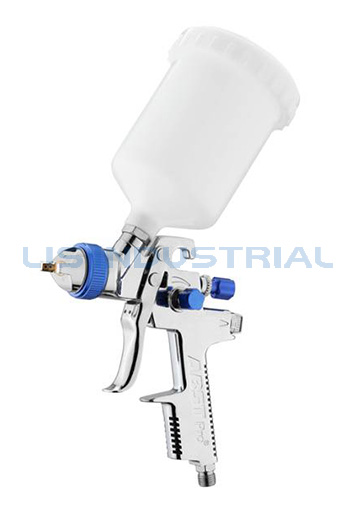
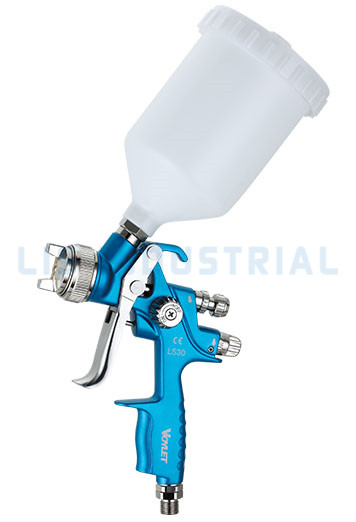
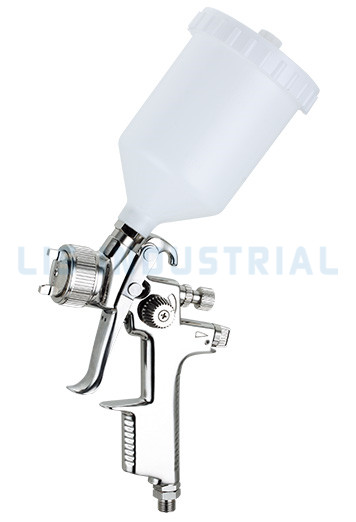
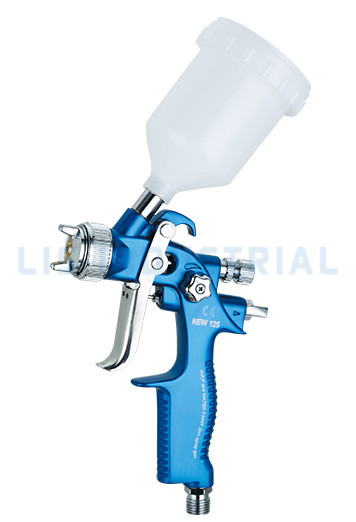
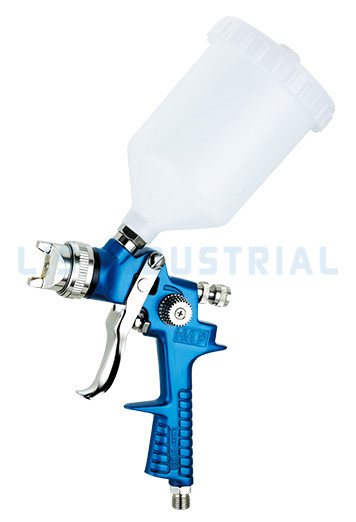
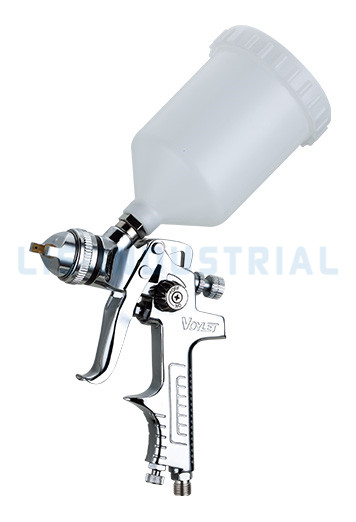
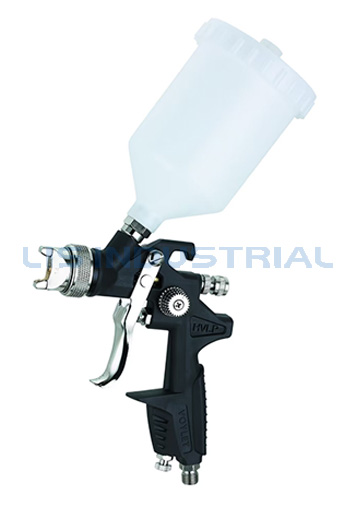
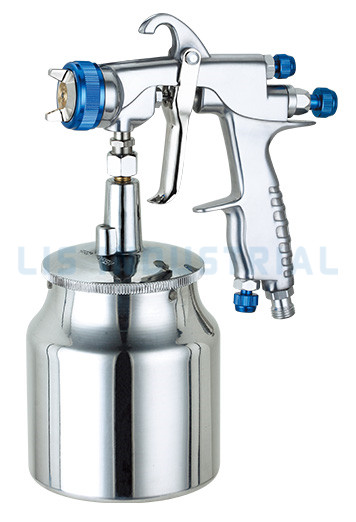
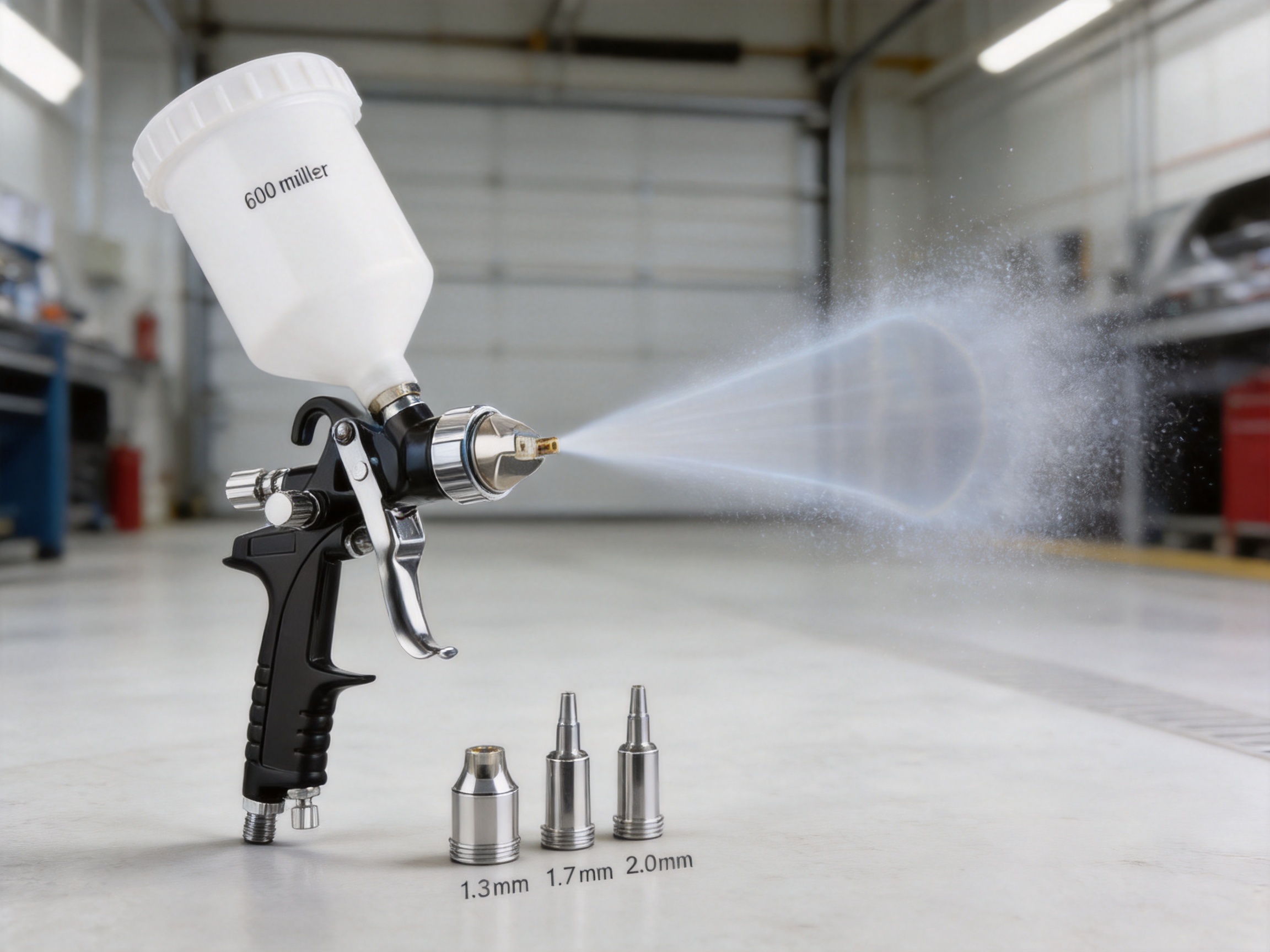
The LS230 Spray Gun is a gravity-feed air paint sprayer designed for users who need a long spray pattern, efficient material transfer, and dependable finishing performance. Developed for automotive painting, woodworking, maintenance, repair, and other coating applications, this spray gun combines a 230-millimeter spray length with a 600-milliliter cup and a working air pressure of 43 PSI. Its available 1.3-millimeter, 1.7-millimeter, and 2.0-millimeter fluid nozzles allow operators to select a configuration that matches the coating material and the required finish.
Modern painting operations must balance finish quality, productivity, material consumption, operator comfort, equipment reliability, and environmental responsibility. A spray gun that produces an uneven pattern can create excessive overspray, visible streaks, additional sanding, and unnecessary rework. A tool with an unsuitable cup capacity can interrupt production, while an inefficient air passage may increase compressor demand. The LS230 addresses these practical concerns through a long spray pattern, gravity-feed material delivery, multiple nozzle options, and a design intended to support high atomization.
This article examines the construction, operating characteristics, application value, maintenance requirements, and manufacturing strengths associated with the LS230. It also explains how a professional supplier supports the product through research and development, controlled production, quality assurance, certification, OEM capability, and international service.
Product Overview
The LS230 is a conventional air spray gun in a gravity-feed configuration. In a gravity-feed system, coating material is held in a cup above the spray gun body and flows toward the fluid nozzle under gravity, assisted by the pressure balance created during spraying. This arrangement is widely used because it can support efficient material use and can work effectively with comparatively small quantities of paint.
The model is designed around a long spray pattern. Its stated spray length is 230 millimeters, giving the operator a broad working area with each pass. A longer and properly controlled pattern can help reduce the number of overlapping passes required to cover a panel or surface. This may improve productivity, particularly when painting larger automotive panels, cabinets, furniture components, equipment housings, and other broad workpieces.
The spray gun is supplied with a 600-milliliter cup capacity. This capacity provides a practical balance between material availability and manageable tool weight. It is large enough for many repair, refinishing, and small production tasks, while remaining more convenient than a large remote tank when the operator needs to move around a workpiece.
The available fluid nozzle sizes are 1.3 millimeters, 1.7 millimeters, and 2.0 millimeters. Nozzle selection is important because coatings differ in viscosity, solids content, drying behavior, and required film thickness. A smaller nozzle is generally suitable for thinner materials and finer finishing work, while a larger nozzle can be more appropriate for thicker coatings or applications that require higher material delivery.
| Specification | LS230 Data | Practical Significance |
|---|---|---|
| Spray gun type | Gravity-feed air spray gun | Supports controlled material delivery and convenient operation |
| Fluid nozzle options | 1.3 mm, 1.7 mm, and 2.0 mm | Allows adaptation to different coatings and finishing requirements |
| Spray length | 230 mm | Provides a long coverage pattern for improved work efficiency |
| Air pressure | 43 PSI | Provides the stated operating reference for atomization |
| Cup capacity | 600 ml | Reduces frequent refilling during many repair and finishing jobs |
| Feed type | Gravity | Helps deliver coating material from the upper cup to the fluid nozzle |
Specifications should always be evaluated together with the coating manufacturer’s instructions, the selected nozzle, the compressor’s actual output, and the operator’s technique. The figures above define the product’s stated configuration; final results depend on preparation, paint viscosity, air quality, gun adjustment, distance, movement speed, and environmental conditions.
Long Spray Pattern and Work Efficiency
One of the most distinctive characteristics of the LS230 is its 230-millimeter spray length. The long pattern is intended to improve work efficiency by covering a wider area during each pass. For professional painters, this can be valuable when working on vehicle doors, hoods, fenders, side panels, furniture boards, and other surfaces where consistent coverage over a broad area is important.
A long spray pattern can reduce the number of individual passes needed to cover a surface. Fewer passes may shorten application time and reduce the physical effort required from the operator. When the gun is correctly adjusted, the painter can maintain a consistent rhythm across the panel, helping the wet edges overlap in a controlled manner.
Productivity is not simply a matter of moving faster. Excessive speed can produce dry spray, thin areas, and poor coverage, while moving too slowly can deposit too much material and lead to runs or sagging. The advantage of a long pattern is that it gives the operator a productive coverage width without requiring extreme movement speeds. The actual ideal speed must still be established according to the coating, nozzle, temperature, air pressure, and desired film thickness.
Long-pattern performance can also contribute to consistent appearance. Every additional pass creates another opportunity for uneven overlap or variation in film thickness. A stable, well-shaped pattern helps the operator maintain an organized application path. This is particularly useful on panels where visible striping or uneven gloss would be unacceptable.
Compared with a basic spray gun that produces a shorter or less uniform pattern, the LS230 can offer a practical advantage in coverage efficiency. The benefit is most apparent when the gun is used with suitable material viscosity and when the air cap and fluid nozzle are clean and correctly installed. A long pattern cannot compensate for poor preparation, but it can provide a strong foundation for a faster and more repeatable process.
High Atomization and Surface Quality
Atomization is the process of breaking liquid coating into small droplets so that it can be transported by compressed air and deposited onto a surface. Good atomization helps produce a smooth, even film. Poor atomization can create large droplets, orange peel, roughness, uneven gloss, excessive bounce-back, and visible surface defects.
The LS230 is promoted as a high-atomization spray gun. Its performance depends on the interaction between the air cap, fluid nozzle, needle, paint viscosity, air pressure, and operator adjustment. When these elements are correctly matched, the gun can help distribute coating material evenly across the spray pattern.
High atomization is valuable in automotive refinishing, where surface appearance is often closely inspected. A controlled droplet distribution can support smooth clear coats, primers, base coats, and compatible finishing materials. In woodworking, it can help improve the appearance of furniture components, doors, panels, and decorative surfaces. In industrial maintenance, it can support uniform coverage on metal structures, machinery housings, and fabricated parts.
It is important to understand that atomization quality is not determined by air pressure alone. Higher pressure does not automatically produce a better finish. Excessive pressure can increase overspray, create turbulence, waste material, and make the finish dry too quickly. The stated 43 PSI operating reference should be used as a starting point and confirmed under the actual working conditions. Adjustments should be made gradually while observing the pattern and the deposited film.
The operator should test the spray gun on a suitable sample surface before beginning final work. A correct pattern normally distributes material evenly from one side to the other. If the center is heavy, the fluid delivery may be excessive or the air adjustment may be insufficient. If the ends are heavy, the air cap may be dirty, damaged, or incorrectly installed. A distorted pattern should be corrected before painting the finished workpiece.
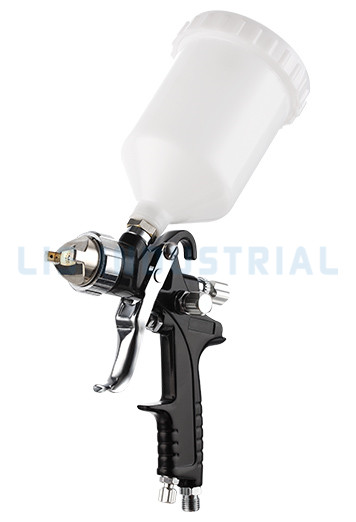
LS230 Spray Gun Car Painting Tool High Atomization Air Paint Sprayer
Gravity-Feed Design and Material Control
The LS230 uses a gravity-feed system, a configuration widely valued for its simplicity and material control. The 600-milliliter cup is mounted above the gun body, allowing material to move toward the nozzle without relying on a separate fluid pump or a remote pressure tank. This makes the equipment convenient for repair work, customized painting, and applications where the operator changes colors or materials frequently.
Gravity-feed operation can be especially useful when only a moderate quantity of coating is needed. The painter can prepare an appropriate amount in the cup rather than filling a large tank or transferring material through a long fluid hose. Reduced material volume in the delivery system can make color changes and cleaning more manageable.
The 600-milliliter capacity provides useful working time without making the cup unnecessarily large. A small cup may require repeated refilling, which interrupts the coating process and can introduce variation between batches. An oversized cup can increase tool weight and cause fatigue, especially when the gun is held at shoulder height or used for long periods. The LS230 capacity is positioned as a practical choice for many automotive, woodworking, and general finishing tasks.
Before filling the cup, the operator should filter the coating to remove lumps, dried particles, and other contaminants. The cup should not be filled beyond its safe working level. The lid must be properly secured, and the vent should remain clear so that material can flow consistently. If the vent becomes blocked, the gun may experience interrupted fluid delivery or an unstable spray pattern.
Gravity-feed guns are also convenient for small-batch testing. A painter can mix a limited quantity of material, test the color and viscosity, and make adjustments before preparing a larger amount. This can reduce waste and help confirm compatibility between the coating and the selected nozzle.
Interchangeable Nozzle Options
The LS230 can be configured with 1.3-millimeter, 1.7-millimeter, or 2.0-millimeter fluid nozzles. These options allow the same spray gun platform to serve several types of work. Nozzle selection should be based on the coating’s viscosity, the required film thickness, the desired delivery rate, and the finish specification.
1.3-Millimeter Nozzle
The 1.3-millimeter nozzle is generally associated with finer finishing work and relatively fluid materials. It can be considered for compatible base coats, clear coats, thin primers, stains, and other materials that have been properly reduced according to their technical instructions. The smaller opening can help provide controlled material delivery when the objective is a refined finish rather than heavy application.
Because a smaller nozzle is more sensitive to material viscosity and contamination, the coating must be filtered carefully. Material that is too thick may cause poor atomization, insufficient flow, or an irregular pattern. The operator should avoid compensating for unsuitable viscosity by making excessive adjustments to air pressure.
1.7-Millimeter Nozzle
The 1.7-millimeter nozzle offers a versatile middle configuration. It can be suitable for a broader range of primers, undercoats, general-purpose paints, and materials with moderate viscosity. For workshops that perform different types of repair and finishing work, this size may provide a useful balance between atomization and material delivery.
As with every nozzle size, actual suitability depends on the coating manufacturer’s recommendations. A product labeled as a primer or paint may still vary considerably in viscosity and solids content. Testing remains necessary before production use.
2.0-Millimeter Nozzle
The 2.0-millimeter nozzle is intended for materials that require greater fluid delivery or have a higher viscosity than those suited to a smaller nozzle. It may be useful for heavier primers, surfacers, compatible protective coatings, and applications where a thicker film must be built efficiently.
A larger nozzle can place more material on the surface, but it also requires careful control. The operator must maintain the correct distance and movement speed to avoid runs, sags, and uneven film thickness. The spray gun should be adjusted using test panels so that the material flow matches the coating’s requirements.
| Application Consideration | Possible Nozzle Choice | Adjustment Focus |
|---|---|---|
| Fine finishing with a relatively thin material | 1.3 mm | Controlled fluid flow and clean atomization |
| General-purpose painting and moderate-viscosity materials | 1.7 mm | Balance between coverage and finish quality |
| Higher-viscosity materials or heavier application | 2.0 mm | Material flow, overlap, and prevention of excessive film build |
The nozzle, needle, and air cap should be treated as a matched set where applicable. Mixing components that are not intended to work together can lead to leakage, poor pattern quality, or uneven flow. The correct parts should be installed carefully and tightened appropriately without damaging the threads or sealing surfaces.
Advantages in Automotive Painting
Automotive painting requires a combination of appearance, consistency, speed, and process control. Panels often have large visible areas, curved contours, edges, recesses, and transitions that make uneven application easy to notice. The LS230’s long spray pattern is relevant to these conditions because it can help the operator cover large panels with fewer passes.
For body repair, the gun can be used for compatible primers, base coats, clear coats, and other materials when the correct nozzle and preparation method are selected. The gravity-feed arrangement is convenient for repair shops that work on individual panels or vehicles in stages. The 600-milliliter cup can provide sufficient capacity for many localized jobs without requiring a separate material delivery system.
A consistent spray pattern may help reduce visible overlap marks. When a painter maintains a suitable distance and applies each pass with a controlled overlap, the coating can blend more evenly across the panel. This is particularly important when refinishing doors, quarter panels, hoods, roofs, and other surfaces that reflect light strongly.
The tool can also support color change flexibility. Automotive shops may use several materials during a single repair, and gravity-feed equipment can be emptied and cleaned between products. Proper cleaning remains essential because small amounts of dried material can affect atomization and contaminate a new color or clear coat.
The LS230 is not a substitute for a complete automotive refinishing process. Surface preparation, sanding, degreasing, masking, mixing, flash-off time, booth ventilation, temperature, humidity, and curing conditions all influence the final result. However, a capable spray gun can improve the consistency of the application stage and help the operator make better use of the rest of the process.
Use in Woodworking and General Finishing
Woodworking applications often require smooth, attractive surfaces with even color and controlled film thickness. Cabinets, doors, furniture, shelving, trim, panels, and decorative components may be finished with stains, lacquers, primers, paints, or protective coatings. The LS230 can be adapted to compatible materials by selecting the appropriate nozzle and following the coating supplier’s reduction and application instructions.
The long spray pattern can help cover broad boards and panels efficiently. When the workpiece is properly positioned and the gun is moved parallel to the surface, the operator can establish a regular application pattern. This can be more efficient than repeatedly working with a narrow spray width.
Wood surfaces require particular attention to preparation. Dust, loose fibers, oil, wax, and uneven sanding can create defects that no spray gun can correct. The work area should be clean, and the surface should be prepared according to the finishing system. Between coats, the material must be allowed to flash or cure as required. Sanding and cleaning between layers may be necessary for a professional appearance.
For woodworking shops, the gravity-feed cup can be convenient when different colors or finishes are used in succession. The cup can be loaded with a controlled quantity, and the gun can be cleaned before changing to another material. This flexibility is useful for custom furniture, short production runs, and repair operations.
Environmental and Material-Efficiency Considerations
The product information describes this style of spray gun as better for the environment and capable of saving paint through its long spray pattern. These benefits should be understood as process advantages rather than guarantees that apply in every situation. Material efficiency depends on transfer efficiency, coating viscosity, air pressure, operator technique, booth airflow, spray distance, overlap, and workpiece geometry.
A properly adjusted spray pattern can reduce unnecessary overspray and improve the amount of material deposited on the target surface. When less coating is lost in the air or outside the workpiece, the shop may reduce material consumption and waste. Lower waste can also reduce the amount of solvent, cleaning material, and disposal activity associated with the job.
The operator should still use appropriate personal protective equipment and follow all safety instructions for the coating. Environmental responsibility includes ventilation, filtration, waste management, safe solvent storage, and compliance with local regulations. A spray gun with efficient coverage supports these efforts but does not remove the need for responsible workshop practices.
Paint savings are most likely when the gun is configured correctly. A nozzle that is too large may release excessive material, while a nozzle that is too small may force the operator to make repeated passes. Air pressure that is too high may create overspray, and pressure that is too low may produce poor atomization. The best result comes from matching the entire application system rather than focusing on one specification in isolation.
Manufacturing Strength and Engineering Capability
The LS230 is produced by Ningbo Lis Industrial Co., Ltd., a company engaged in the research, development, manufacturing, and marketing of air painting spray guns, mini air compressors, and related air tools. The company’s history in this field extends back to 1984. Over time, it has developed production, engineering, testing, and service capabilities intended to support customers in multiple markets.
The company operates on a site covering more than 400,000 square feet and employs more than 400 people. Its reported annual output exceeds 40 million United States dollars. These figures indicate an industrial-scale manufacturing organization rather than a small assembly operation. Scale can support investment in tooling, production equipment, testing facilities, engineering resources, supplier management, and inventory planning.
The company reports that its production capacity can be increased by 30 percent within two months. For distributors, importers, and original equipment customers, this type of flexibility can be important when demand changes or when a large project requires additional supply. Production scalability must be supported by controlled procurement, qualified suppliers, stable processes, and adequate inspection capacity.
Research and development is another stated strength. The company maintains an engineering technology center focused on spraying machinery and has carried out technical cooperation with American Wagner Spraying Technology Co., Ltd. Such cooperation can provide opportunities for knowledge exchange, process improvement, product development, and application research.
In addition to manufacturing products under its own brands, the company offers OEM services based on customer drawings or samples. It also provides ODM services according to customer requirements. These capabilities may be useful for distributors that need private-label packaging, customized product configurations, market-specific documentation, or design adaptations.
Advanced Quality-Control Processes
Spray gun performance depends on small details. A slightly damaged nozzle, an incorrectly formed air passage, an inconsistent seal, or a misaligned component can affect atomization and reliability. For this reason, manufacturing quality control must extend beyond final visual inspection.
The company states that it follows the requirements of the ISO9000 quality system and applies controls from raw-material inspection and incoming inspection through in-process quality control, functional testing, and final product inspection. This type of staged approach helps identify problems earlier in the manufacturing process.
Raw-material and incoming inspection can verify that purchased components, metals, plastics, seals, springs, and other materials meet established specifications. In-process controls can monitor machining, forming, surface treatment, assembly, and other production stages. Functional testing can confirm that assembled spray guns operate as intended before they are packaged and shipped.
The company reports 100 percent functional testing of products. For a spray gun, functional testing may involve checking trigger movement, fluid flow, air passage, sealing performance, component fit, and spray behavior. The exact test method can vary according to the model and factory procedure, but full testing provides an important layer of assurance compared with relying only on sample inspection.
Final inspection is also important because products may be affected by assembly, cleaning, labeling, packaging, and handling after earlier process stages. A complete quality system should confirm that the correct components are installed, that the product is free from visible defects, and that the packaging protects the tool during transport.
The company reports certification to ISO9001, OHSAS18001, and ISO14001, along with European CE and German GS product certifications. These certifications and declarations are relevant to quality management, occupational health and safety, environmental management, and product safety. Buyers should request current documentation and confirm that the specific product configuration is covered by the applicable certification.
Factory Experience and International Service
Experience is a meaningful factor in spray equipment manufacturing because product performance depends on accumulated knowledge of fluid dynamics, machining, sealing, ergonomics, surface treatment, and application behavior. Since its establishment in 1984, Ningbo Lis Industrial Co., Ltd. has developed experience across spray guns, compressors, and related air tools.
The company’s products are reported to be sold in Europe, North America, the Middle East, South Africa, and East Asia. A broad international customer base can expose a manufacturer to different coating systems, air standards, packaging requirements, working conditions, and regulatory expectations. This experience can support product adaptation and technical communication.
The company has established a worldwide marketing and service network and works with brand agents in multiple countries. For professional buyers, service capability can be as important as the product itself. Reliable communication, spare-parts support, technical information, order coordination, and after-sales assistance can reduce downtime and simplify long-term cooperation.
Long-term customer relationships also encourage continuous improvement. Feedback from workshops, distributors, contractors, and industrial users can reveal common maintenance issues, application challenges, regional preferences, and opportunities for ergonomic or performance improvements. A manufacturer that actively learns from its customers is better positioned to refine future products.
Comparison with Basic Competitor Spray Guns
The LS230 should be compared with competing products according to measurable characteristics rather than marketing language alone. Its principal points of differentiation include the 230-millimeter spray length, high-atomization focus, 600-milliliter gravity cup, three nozzle options, and the manufacturing infrastructure behind the product.
A basic low-cost spray gun may offer only one nozzle size or a narrower spray pattern. This can limit its usefulness across different coatings and applications. By contrast, the LS230’s 1.3-millimeter, 1.7-millimeter, and 2.0-millimeter options give users more flexibility when changing from fine finishing to heavier materials.
Some competing tools may use a smaller cup that requires frequent refilling. Frequent refilling can interrupt the work rhythm and create differences in material mixing or viscosity between batches. The LS230’s 600-milliliter cup can offer greater continuity for many jobs while remaining more portable than a large tank system.
Another possible difference is production assurance. A low-cost product may be assembled with limited process control or tested only through occasional sampling. The stated use of incoming inspection, in-process control, 100 percent functional testing, and final inspection provides a more structured manufacturing approach. Buyers should still evaluate samples, documentation, and field performance, but a documented quality system is an important advantage.
| Evaluation Area | LS230 Position | Potential User Benefit |
|---|---|---|
| Coverage pattern | 230 mm spray length | Fewer passes and improved efficiency on broad surfaces |
| Material flexibility | Three nozzle options | Better adaptation to different coating viscosities |
| Material container | 600 ml gravity cup | Useful capacity with convenient handling |
| Manufacturing control | Reported staged inspection and full functional testing | More consistent product operation and reduced quality risk |
| Customization | OEM and ODM support | Suitable for private-label and tailored product programs |
| Market support | International sales and service network | Better support for distributors and overseas customers |
Competitor comparison should also include spare-parts availability, actual atomization results, trigger comfort, coating compatibility, air consumption, warranty conditions, packaging, and total cost of ownership. A spray gun that costs less initially may become more expensive if it requires frequent replacement or produces excessive rework. Conversely, a higher-feature product should be selected only when its capabilities match the user’s requirements.
Operating Procedure for Consistent Results
Before use, inspect the gun, cup, nozzle, air cap, needle, seals, and fittings. Confirm that all components are clean and correctly installed. Connect the gun to a clean, regulated compressed-air supply. Moisture and oil in the air line can contaminate the finish, so an appropriate filter and water separator should be used.
Prepare the coating according to the material manufacturer’s instructions. Mix thoroughly, observe the required reduction ratio, and filter the material before pouring it into the cup. Do not assume that one viscosity is suitable for every nozzle. A material that works well with a 2.0-millimeter nozzle may not atomize correctly through a 1.3-millimeter nozzle.
Fill the cup to a suitable level and secure the lid. Set the air pressure according to the product reference and adjust only after testing. Spray onto a sample panel or other approved test surface. Observe the pattern, droplet quality, coverage, and wetness. Make small adjustments to fluid flow, fan pattern, and air pressure until the result is appropriate.
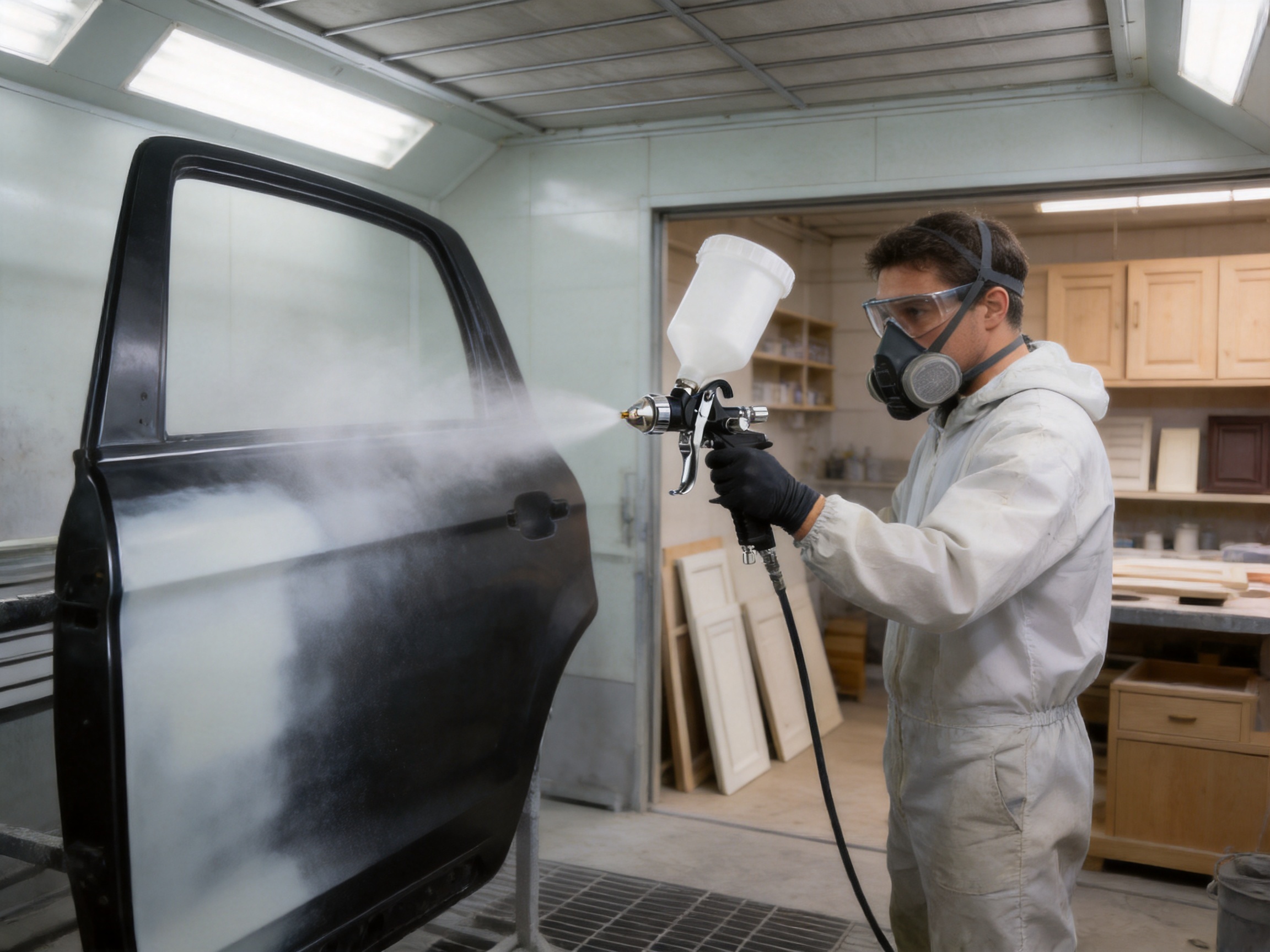
Hold the spray gun perpendicular to the surface and maintain a consistent distance throughout the stroke. Moving the gun in an arc can cause the ends of the pass to receive less or more material than the center. Begin moving before pulling the trigger and release the trigger before stopping the movement. Use an even overlap between adjacent passes.
For large panels, organize the work into a planned sequence. Keep the wet edge active when the coating system requires it, and observe the recommended flash-off time between coats. Avoid trying to correct a wet defect by applying uncontrolled additional material. It is usually better to allow the coating to reach the appropriate condition and then correct the surface according to the finishing system.
After use, remove unused material from the cup and return or dispose of it according to the coating supplier’s instructions. Clean the cup, fluid passage, nozzle, needle, and air cap with an appropriate cleaning solution. Do not leave coating residue to dry inside the gun. Never immerse the entire spray gun in solvent unless the manufacturer specifically permits that procedure, because solvent can damage seals and lubricants.
Maintenance and Service Life
Regular maintenance helps preserve atomization and extend service life. The air cap should be kept free from dried coating, especially around the small air holes that shape the spray pattern. These holes should be cleaned with suitable tools that do not enlarge or distort them. Metal wires or sharp objects that damage precision openings should be avoided.
The fluid nozzle and needle must remain clean and properly aligned. If the needle does not seat correctly, the gun may leak or deliver material inconsistently. Worn seals can also create air or fluid leakage. Inspection should be performed whenever the gun is cleaned, and damaged parts should be replaced with compatible components.
Threads and contact surfaces should be handled carefully. Over-tightening can damage the air cap, nozzle, or body. Insufficient tightening can cause leakage or misalignment. Maintenance personnel should follow the applicable service instructions and use the correct tools.
Storage conditions also affect equipment life. The spray gun should be stored clean and dry, protected from dust, impact, excessive heat, and corrosive chemicals. The cup should not be left filled during storage. If the product will not be used for an extended period, inspect seals and moving parts before returning it to service.
Workplace Safety
Spray painting involves compressed air, airborne particles, solvents, and potentially hazardous coating chemicals. Operators must read the safety data sheet for the material and follow workplace regulations. Suitable respiratory protection, eye protection, gloves, protective clothing, and hearing protection should be selected according to the application.
Ventilation is essential. Spraying should take place in an approved, properly ventilated area with suitable filtration and explosion-control measures where required. Ignition sources must be controlled when flammable coatings or solvents are present. Compressed-air connections should be secure, and hoses should be rated for the operating pressure.
The spray gun should never be pointed at a person or used to clean clothing or skin. Compressed air can cause serious injury. Pressure should be relieved before disconnecting hoses or performing maintenance. Coating waste and solvent waste must be handled according to applicable environmental and safety requirements.
Business Value for Distributors and OEM Buyers
For distributors, the LS230 offers a product profile that is easy to position across several market segments. Automotive repair shops can use it for panel refinishing, woodworking shops can apply compatible stains and coatings, and general maintenance users can employ it for equipment and fabricated surfaces. The combination of a long pattern, multiple nozzle options, and a moderate cup capacity gives the product broad commercial relevance.
The manufacturer’s OEM and ODM capabilities can support private-label programs and customized product portfolios. Buyers may be able to discuss branding, packaging, color, accessory combinations, nozzle configurations, documentation, and market-specific requirements. Customization should be evaluated through technical review, sample approval, production planning, and written quality specifications.
For larger customers, production capacity and supply planning are important. The company reports that capacity can be increased by 30 percent within two months, which may help address growing demand. Buyers should confirm lead times, minimum order quantities, quality agreements, inspection plans, spare-parts arrangements, and shipping terms before placing a production order.
International certifications and experience in multiple regions may also simplify market entry, although importers remain responsible for confirming all local requirements. Documentation should be current and matched to the exact model and configuration being purchased.
Recommended Application Checklist
Choose the nozzle according to the coating viscosity and the required finish. Use the 1.3-millimeter option for compatible finer materials, the 1.7-millimeter option for versatile general work, and the 2.0-millimeter option when greater fluid delivery is required.
Filter the coating before filling the 600-milliliter cup. Confirm that the cup lid and vent are clean and secure. Use clean, dry compressed air and establish the 43 PSI reference before making controlled adjustments.
Test the spray pattern on a sample surface. Check for an even distribution, correct width, suitable wetness, and acceptable atomization. Adjust the gun before applying material to the final workpiece.
Maintain a perpendicular gun position, consistent distance, controlled movement speed, and suitable overlap. Avoid excessive pressure, unnecessary material flow, and repeated correction passes.
Clean the gun immediately after use. Inspect the air cap, fluid nozzle, needle, seals, cup, and fittings. Store the tool in a clean, dry location and replace worn components with compatible parts.
Frequently Asked Questions
What type of spray gun is the LS230?
The LS230 is a gravity-feed air spray gun designed for painting and coating applications. Material is held in an upper cup and delivered toward the fluid nozzle by gravity and the pressure conditions created during spraying.
What is the spray length of the LS230?
The stated spray length is 230 millimeters. This long spray pattern is intended to improve coverage efficiency and reduce the number of passes needed on broad work surfaces.
What is the capacity of the cup?
The cup capacity is 600 milliliters. This provides useful material volume for many automotive, woodworking, repair, and general finishing applications while maintaining practical tool handling.
Which nozzle sizes are available?
The available fluid nozzle sizes are 1.3 millimeters, 1.7 millimeters, and 2.0 millimeters. The best choice depends on the coating’s viscosity, solids content, desired film thickness, and application requirements.
What air pressure is specified for the product?
The stated air pressure is 43 PSI. This should be treated as an operating reference and verified during testing because actual results depend on the material, nozzle, air supply, hose, regulator, and application conditions.
Can the LS230 be used for automotive painting?
Yes. The long spray pattern and gravity-feed design are suitable for many automotive painting and refinishing tasks when the coating is compatible and the correct nozzle, preparation, and application procedure are used.
Can it be used for woodworking?
Yes. The spray gun can be used for compatible woodworking coatings such as suitable stains, primers, paints, and protective finishes. Surface preparation, filtration, viscosity adjustment, and test spraying are essential.
Does a long spray pattern automatically reduce paint consumption?
No. A long pattern can support efficient coverage, but paint consumption depends on nozzle selection, air pressure, viscosity, spray distance, overlap, operator technique, workpiece shape, and booth conditions. Correct adjustment is necessary to obtain material savings.
How should the spray gun be cleaned?
Remove unused coating, clean the cup, flush the fluid passage with a compatible cleaning solution, and clean the nozzle, needle, and air cap. Avoid leaving material to dry inside the gun and avoid damaging precision air holes during cleaning.
What quality systems are associated with the manufacturer?
The manufacturer reports quality control based on ISO9000 requirements, including raw-material inspection, incoming inspection, in-process control, 100 percent functional testing, and final inspection. It also reports ISO9001, OHSAS18001, ISO14001, CE, and German GS certifications. Buyers should request current documentation for the specific model.
Does the manufacturer support OEM and ODM projects?
Yes. The company states that it can provide OEM production according to customer drawings or samples and ODM services according to customer requirements. Project details should be confirmed through technical review and sample approval.
Who should consider the LS230?
The product may suit automotive repair shops, woodworking businesses, maintenance contractors, equipment manufacturers, industrial users, distributors, and buyers seeking a flexible gravity-feed spray gun with multiple nozzle options and a long coverage pattern.
Conclusion
The LS230 Spray Gun is designed to provide efficient, controlled air spraying through a combination of high atomization, a 230-millimeter spray length, a 600-milliliter gravity cup, and three available fluid nozzle sizes. These characteristics make it adaptable to automotive refinishing, woodworking, general maintenance, and other coating applications.
Its principal advantage over a basic spray gun is the combination of broad coverage and configuration flexibility. The long pattern can support faster work on large surfaces, while the nozzle options allow users to match the tool to different material viscosities and application goals. The gravity-feed design provides convenient material handling and is well suited to repair work, small production runs, and color changes.
The product is further supported by the manufacturing capabilities of Ningbo Lis Industrial Co., Ltd., including long-term industry experience, research and development, industrial production capacity, OEM and ODM services, reported staged quality control, functional testing, international certifications, and a global marketing and service network.
As with any spray equipment, the final result depends on the complete application process. Correct material preparation, clean compressed air, appropriate nozzle selection, careful adjustment, consistent operator technique, timely cleaning, and safe working conditions are essential. When these factors are controlled, the LS230 can serve as a practical and productive tool for users who require reliable coverage and professional finishing performance.
References
1. Product specification information supplied for the LS230 Spray Gun, including nozzle sizes, spray length, air pressure, cup capacity, and gravity-feed configuration.
2. Ningbo Lis Industrial Co., Ltd. company profile and manufacturing information, including research and development, production capacity, quality systems, certifications, OEM services, and ODM services.
3. General principles of compressed-air spray application, including atomization, nozzle selection, spray-pattern adjustment, and coating preparation.
4. General workplace guidance for spray painting, compressed-air equipment, ventilation, personal protective equipment, and solvent handling.
5. General quality-management principles associated with incoming inspection, in-process control, functional testing, final inspection, and documented manufacturing processes.